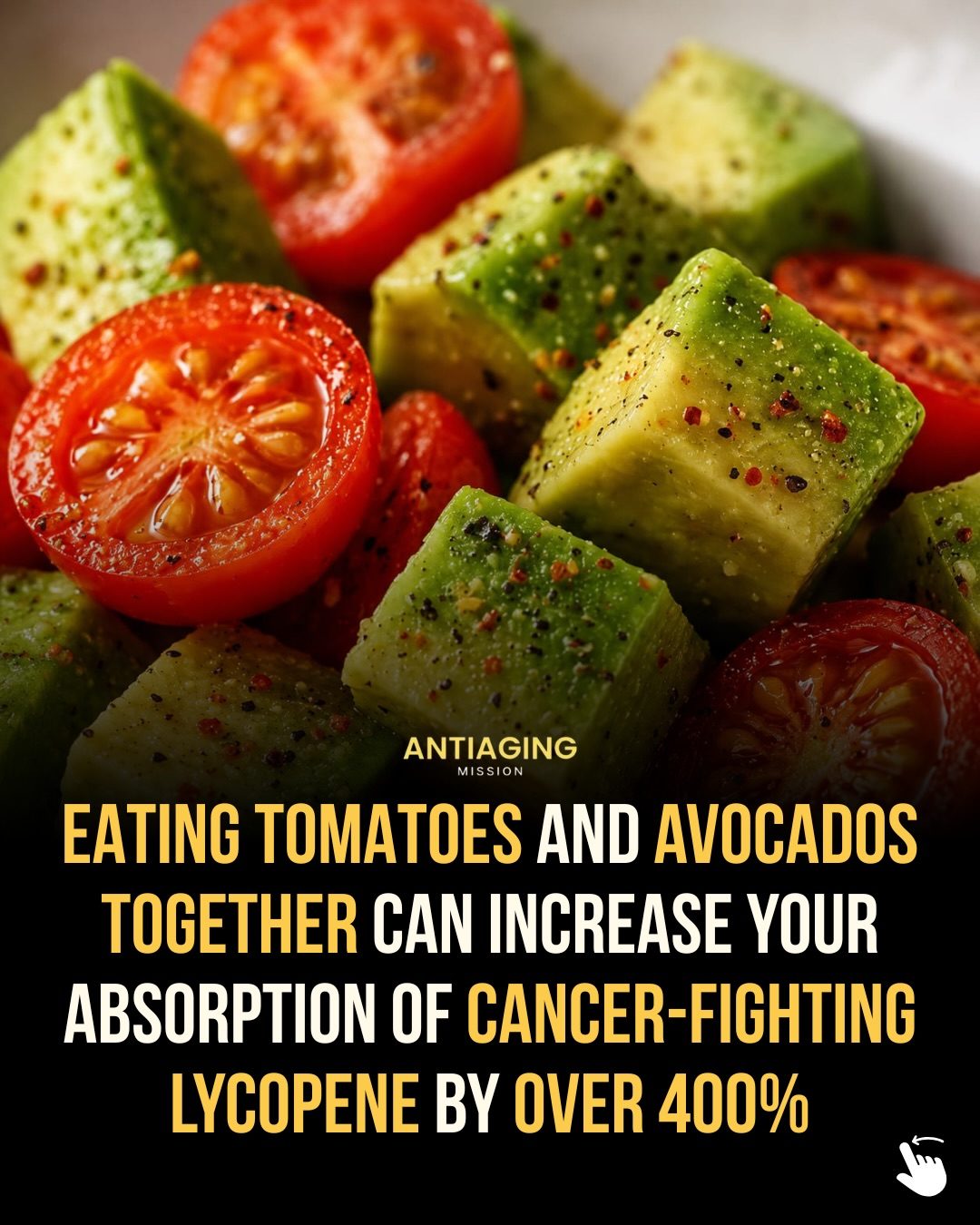
Tomatoes and avocados are a power duo when it comes to nutrition, and there's a surprising reason behind their effectiveness. When consumed together, these ingredients can significantly boost your body's absorption of lycopene, a potent antioxidant found naturally in tomatoes.
Tomatoes are renowned for their rich concentration of lycopene, a pigment that gives them their vibrant red color. Lycopene is not just a visual indicator; it's a powerful antioxidant with numerous health benefits, including its potential role in cancer prevention. But here’s the kicker: lycopene is fat-soluble. That means it's best absorbed by the body when paired with healthy fats. This is where avocados come into play.
A healthy diet goes beyond "eating well" just one day. It’s about maintaining a balanced, nutrient-rich lifestyle that supports your body at every level. By focusing on consistent nutrition, movement, sleep, and recovery, you can support your body's systems and promote healthy aging.
The Role of NAD in Aging
As we age, our bodies undergo various changes, and one of the most critical is the decline in NAD levels. NAD, or nicotinamide adenine dinucleotide, is a coenzyme found in all living cells. It plays a crucial role in cellular metabolism, energy production, and overall cellular health. As NAD levels decrease with age, so does our body's ability to repair damaged cells, produce energy, recover from exercise, and maintain focus.
This decline in NAD levels affects several key aspects of our daily lives. Energy levels, recovery from physical activity, and mental focus all rely on efficient cellular processes, which are supported by NAD. When NAD levels drop, these processes slow down, leading to noticeable changes in how we feel and function.
Supporting NAD Levels
Supporting NAD levels is essential for maintaining cellular health and promoting longevity. There are several ways to support NAD levels, including through dietary changes, supplementation, and lifestyle modifications. Here are a few practical tips to help you get started:
Practical Tips
1. Dietary Changes
Incorporate foods rich in NAD precursors into your diet. NAD precursors are compounds that your body can convert into NAD. Some of the best dietary sources of NAD precursors include:
- Meat and Poultry: Beef, chicken, and turkey are excellent sources of NAD precursors.
- Fish and Seafood: Foods like salmon, tuna, and sardines are also great options.
- Eggs and Dairy: Eggs and dairy products contain NAD precursors and are easy to incorporate into your daily meals.
2. Supplementation
Consider adding NAD-boosting supplements to your routine. Some of the most effective supplements for supporting NAD levels include:
- Nicotinamide Riboside (NR): This is a form of vitamin B3 that your body can convert into NAD. It has been shown to effectively boost NAD levels and support cellular health.
- Nicotinamide Mononucleotide (NMN): NMN is another form of vitamin B3 that the body can convert into NAD. It has gained popularity for its potential benefits in supporting longevity and overall health.
- Resveratrol: Found in red wine and certain types of berries, resveratrol has been shown to support NAD levels and promote healthy aging.
- Pterostilbene: Found in blueberries, grapes, and certain types of berries, pterostilbene is a potent antioxidant and anti-inflammatory compound that is believed to support NAD levels.
3. Lifestyle Modifications
In addition to dietary changes and supplementation, certain lifestyle modifications can help support NAD levels and promote overall health. These include:
- Exercise Regularly: Regular physical activity, including both aerobic exercise and strength training, can help support NAD levels and promote cellular health.
- Get Adequate Sleep: Quality sleep is essential for cellular repair and regeneration, which in turn supports NAD levels.
- Manage Stress: Chronic stress can deplete NAD levels and negatively impact cellular health. Incorporating stress-reducing activities like meditation, yoga, or deep breathing exercises into your routine can help support NAD levels.
Important Takeaways
When it comes to boosting lycopene absorption, pairing tomatoes with healthy fats like avocado is a game-changer. But supporting your body at the cellular level goes beyond a single food or supplement. Incorporating a variety of NAD-boosting foods, supplements, and lifestyle modifications into your daily routine can help promote longevity, improve energy levels, and enhance overall health.
Conclusion
Tomatoes and avocados are not just delicious; they are a dynamic duo that can significantly boost your body's lycopene absorption. By understanding and harnessing the power of NAD, we can support cellular health, promote longevity, and enhance our overall quality of life. Start by incorporating more tomatoes and avocados into your diet, and explore other NAD-boosting strategies to optimize your health and well-being.
Watch the Reel
Questions readers ask
Why should I pair tomatoes with avocados?
Pairing tomatoes with avocados enhances the absorption of lycopene, a potent antioxidant in tomatoes. Since lycopene is fat-soluble, the healthy fats in avocados facilitate better intake of this beneficial compound, maximizing the health benefits of both foods.
What are the health benefits of lycopene?
Lycopene offers numerous health benefits, including its role in cancer prevention and its potential to promote longevity. As a powerful antioxidant, it helps combat oxidative stress and inflammation, which can contribute to various health conditions.
How does fat affect lycopene absorption?
Lycopene is a fat-soluble antioxidant, meaning it needs to be combined with fats to be effectively absorbed by the body. Consuming lycopene-rich foods like tomatoes with healthy fats, such as those in avocados, can significantly improve its absorption and utilization by the body.
What foods are rich in lycopene besides tomatoes?
While tomatoes are one of the richest dietary sources of lycopene, other foods that contain this antioxidant include pink grapefruits, watermelon, guavas, and pink guavas. Incorporating a variety of these foods into your diet can help boost your lycopene intake.
Can avocados help with healthy aging?
Avocados can contribute to healthy aging. Firstly, they contain healthy fats that support heart health and brain function. Secondly, their nutrient profile, when paired with lycopene-rich tomatoes, can help combat inflammation and oxidative stress, both of which are linked to aging.
What are the best ways to incorporate lycopene into my diet?
To boost your lycopene intake, you can cook tomatoes to increase their lycopene content. Pairing them with healthy fats, such as avocado, can enhance absorption. Additionally, include other lycopene-rich foods in your meals and try dishes like tomato and avocado salads, or guacamole with diced tomatoes.
Recent articles
Fresh deep dives from the latest Reels we unpacked.




Comments
Be the first to comment.