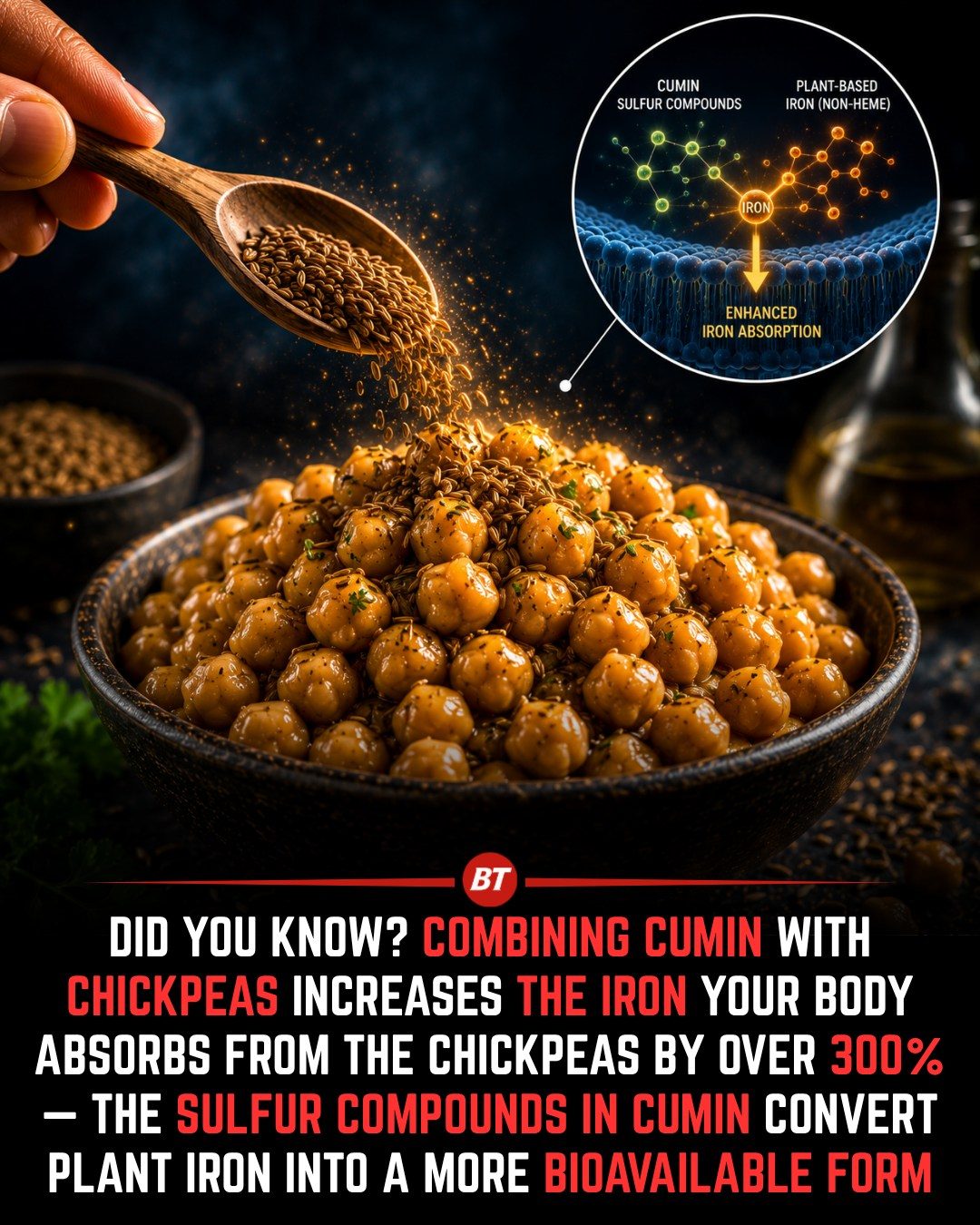
Chickpeas and Cumin: A Nutrient-Packed Pairing
Chickpeas are a versatile and nutritious legume, widely used in various cuisines around the world. When paired with cumin, they offer more than just a warm, earthy flavor—they provide a nutritional boost, particularly in terms of iron absorption. This pairing is not just about taste; it's about maximizing the nutritional benefits of both ingredients.
Why This Matters
Iron is an essential mineral that plays a crucial role in various bodily functions, including the production of red blood cells and the transportation of oxygen. There are two main types of dietary iron: heme iron, found in animal products, and non-heme iron, found in plant foods like chickpeas. Non-heme iron is less efficiently absorbed by the body because it can bind to compounds like phytates, which reduce its bioavailability. This is where cumin comes in.
Cumin, a popular spice known for its aromatic and flavorful qualities, also contains compounds that can enhance the absorption of non-heme iron. Research has shown that cumin's sulfur-containing compounds and other phytochemicals help convert plant iron into a more bioavailable form, making it easier for the body to absorb. This is particularly beneficial for vegetarians, vegans, and anyone looking to increase their iron intake through plant-based sources.
The Science Behind Cumin and Iron Absorption
The interaction between cumin and chickpeas is rooted in scientific research. Studies have found that combining cumin with legumes, such as chickpeas, can significantly increase the bioavailability of iron. Specifically, the sulfur compounds in cumin play a key role in this process. These compounds help to keep iron in a form that is more readily absorbed during digestion, potentially increasing iron absorption by over 300%.
Benefits of Chickpeas and Cumin
Chickpeas and cumin each offer a range of health benefits. Chickpeas are an excellent source of fiber, protein, folate, and minerals like iron, magnesium, and potassium. They are also a good source of non-heme iron, making them a valuable addition to a plant-based diet. Cumin, on the other hand, is rich in antioxidants and provides small amounts of iron, manganese, and other beneficial plant compounds.
Maximizing Iron Absorption
To fully leverage the nutritional benefits of chickpeas and cumin, it's important to consider how to maximize their iron absorption in meals.
Pairing with Vitamin C
Adding a vitamin C-rich food to the same meal can further enhance iron absorption. Vitamin C is well-known for its ability to improve the absorption of non-heme iron. Foods rich in vitamin C, such as lemon juice, tomatoes, and bell peppers, can be easily incorporated into dishes featuring chickpeas and cumin. For example, finishing a dish with a squeeze of fresh lemon juice can not only add a burst of flavor but also boost iron absorption.
Cooking Methods and Preparation
The way chickpeas and cumin are prepared can also impact iron absorption. Soaking and sprouting chickpeas can help reduce the levels of phytates, which can inhibit iron absorption. Similarly, cooking cumin in a way that preserves its beneficial compounds, such as grinding it fresh or toasting it lightly, can enhance its effectiveness in improving iron bioavailability.
Practical Tips
Recipe Ideas
Here are some simple and delicious ways to incorporate chickpeas and cumin into your meals:
- Roasted Chickpeas with Cumin and Lemon: Toss chickpeas in olive oil, cumin, salt, and pepper, then roast until crispy. Finish with a squeeze of lemon juice and a sprinkle of chopped fresh herbs.
- Hummus with a Twist: Blend chickpeas, tahini, garlic, lemon juice, and a generous pinch of cumin for a flavorful hummus. Serve with vegetable sticks or pita bread.
- Chickpea Curry: Cook chickpeas in a fragrant curry sauce made with cumin, turmeric, garlic, and ginger. Add a handful of chopped tomatoes or a squeeze of lemon juice to boost iron absorption.
- Chickpea Salad: Combine cooked chickpeas, diced vegetables, chopped fresh herbs, and a dressing made with olive oil, lemon juice, and cumin. Toss well and serve chilled.
Important Takeaways
Chickpeas and cumin are a dynamic duo that offer both flavor and nutritional benefits. By understanding how to maximize their iron absorption, you can make the most of this nutrient-packed pairing. Whether you're a vegetarian, vegan, or simply looking to boost your iron intake, incorporating chickpeas and cumin into your diet is a smart and delicious choice.
Conclusion
The combination of chickpeas and cumin is more than just a tasty addition to your meals—it's a powerful way to enhance iron absorption and overall nutritional intake. By pairing these two ingredients with vitamin C-rich foods and using appropriate cooking methods, you can make the most of their health benefits. So, next time you cook with chickpeas, don't forget to add a pinch of cumin for an extra nutritional boost.
Watch the Reel
Questions readers ask
How does cumin enhance iron absorption from chickpeas?
Cumin contains sulfur compounds that help to reduce the effects of polyphenols and phytates in chickpeas, which can inhibit iron absorption. By doing so, cumin significantly improves the bioavailability of non-heme iron found in chickpeas.
What makes chickpeas a good source of iron?
Chickpeas are rich in non-heme iron, which is the type of iron found in plant-based foods. They are a valuable addition to a balanced diet, especially for those following a plant-based or vegetarian diet.
Can other spices besides cumin boost iron absorption?
While cumin is notably effective due to its sulfur compounds, other spices like turmeric, black pepper, and ginger may also enhance iron absorption. These spices contain compounds that can help inhibit iron inhibitors, such as polyphenols and tannins.
How can I incorporate chickpeas and cumin into my meals?
You can add chickpeas and cumin to a variety of dishes, such as stews, curries, salads, and even hummus. For example, try adding a teaspoon of cumin to your chickpea salad or sprinkle it on roasted chickpeas for a flavorful snack.
Is it better to cook chickpeas with cumin or add it afterward?
Cooking chickpeas with cumin can enhance the absorption of iron from chickpeas, as the sulfur compounds in cumin are activated during the cooking process. However, adding cumin afterward can still provide some benefits, making it a flexible option for various recipes.
Related deep dives
Similar reads based on topic and creator.




Recent articles
Fresh deep dives from the latest Reels we unpacked.




Comments
Be the first to comment.