Daily Habits and Foods for Hormones, Energy, and Recovery
Your hormones, energy levels, skin health, and recovery are influenced by daily habits, not just by one "superfood." While individual foods can support specific health goals, it's the consistent habits that truly make a difference. Here, we'll explore how to incorporate the right foods and habits into your daily routine to support various health goals.
Why This Matters
Understanding the impact of daily habits and a balanced diet on your overall health can help you make informed decisions about your nutrition and lifestyle. By focusing on consistent, healthy habits, you can support your body's natural processes and achieve your health goals more effectively.
Main Discussion
Supporting Healthy Testosterone Levels
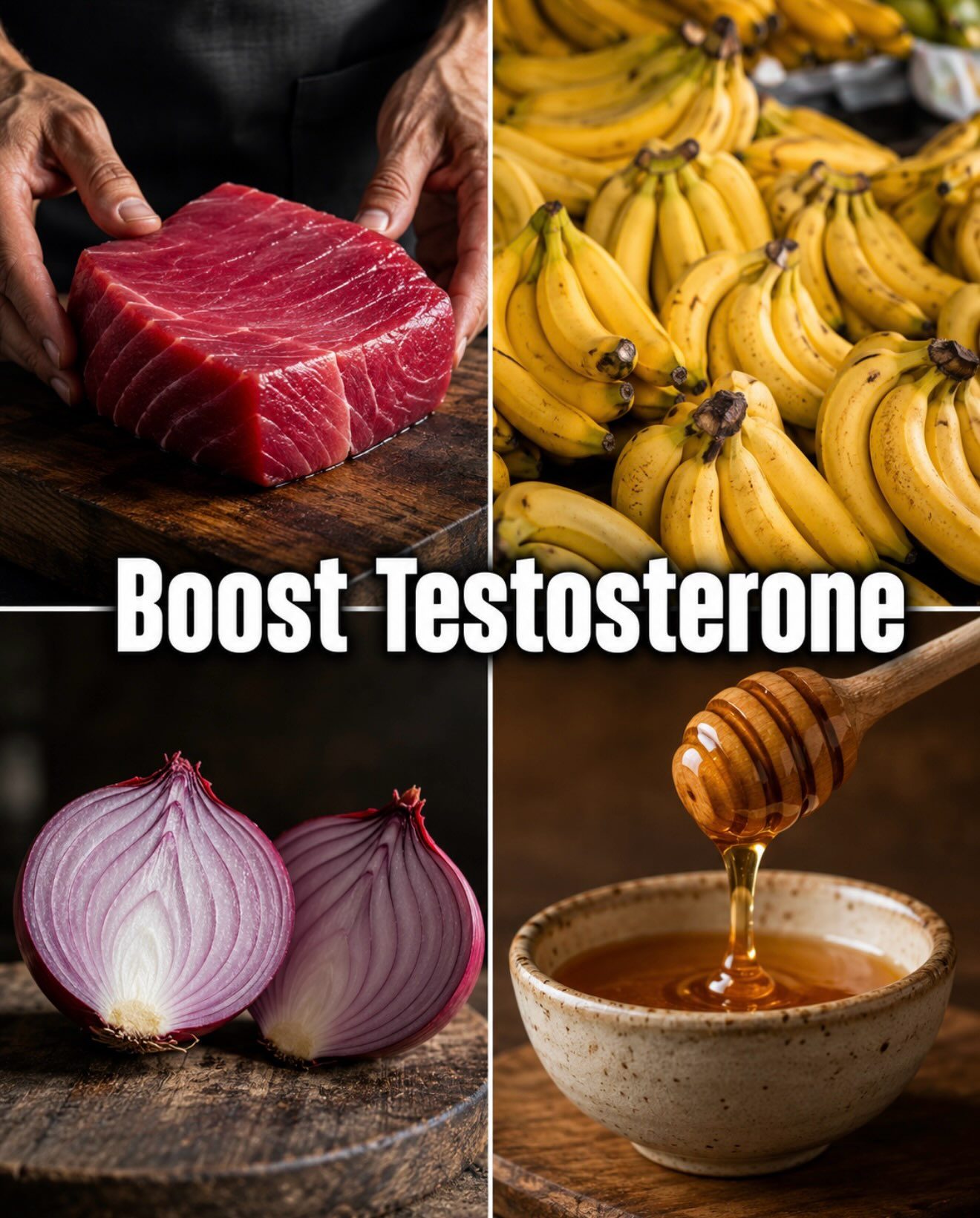
Maintaining healthy testosterone levels is crucial for both men and women, as it plays a significant role in muscle growth, energy, and overall well-being. Incorporating protein-rich foods like lean beef, tuna, and poultry can provide the zinc, iron, and high-quality protein needed to support testosterone production.
In addition to these protein sources, it's essential to include healthy fats, fruits, onions, and honey in your diet. While no single food will dramatically increase your testosterone levels, these ingredients can contribute to a balanced diet that supports overall health. Factors like getting enough sleep, maintaining a healthy body weight, engaging in resistance training, and avoiding chronic calorie restriction are equally important for supporting healthy testosterone levels.
Boosting Energy Levels
Maintaining steady energy throughout the day requires a balanced diet that combines protein, healthy fats, and carbohydrates. Foods like cottage cheese, eggs, nuts, and fruit provide the necessary nutrients to fuel your workouts, support muscle repair, and keep you feeling satisfied. Here are some key foods and nutrients to include in your diet for sustained energy:
Protein
Incorporate lean protein sources like chicken, turkey, and fish into your meals. Protein helps build and repair muscle tissue, which is essential for maintaining energy levels and supporting overall health. Protein-rich foods also help keep you feeling full and satisfied, preventing energy crashes caused by overeating or consuming too many carbohydrates.
Healthy Fats
Healthy fats, such as those found in avocados, nuts, and olive oil, provide a steady source of energy and support brain function. Incorporating healthy fats into your diet can help you feel more satisfied and energized throughout the day.
Carbohydrates
Complex carbohydrates, such as those found in whole grains, fruits, and vegetables, provide a sustained source of energy. These foods are broken down more slowly than simple carbohydrates, helping to maintain steady blood sugar levels and prevent energy crashes.
Supporting Healthy Skin
Hydration is crucial for maintaining healthy skin. Drinking plenty of water and consuming water-rich foods like fruits and vegetables can help keep your skin hydrated and glowing. In addition to hydration, incorporating antioxidant-rich foods and healthy fats into your diet can support overall skin health.
Hydration
Staying hydrated is essential for maintaining healthy skin. Drink plenty of water throughout the day and consume water-rich foods like fruits and vegetables to keep your skin hydrated and glowing. Foods that contain lots of water include cucumbers, watermelon, and tomatoes.
Antioxidant-Rich Foods
Antioxidant-rich foods, such as dark chocolate in moderation, berries, and colorful fruits and vegetables, help protect the skin from damage caused by free radicals. Free radicals are unstable molecules that can damage skin cells and contribute to aging and skin damage.
Healthy Fats
Healthy fats, such as those found in avocados, nuts, and olive oil, support skin health by providing essential fatty acids that help maintain the skin's barrier function. This barrier helps to protect the skin from environmental damage and keeps it hydrated and supple.
Supporting Muscle Recovery
Muscle recovery is a crucial aspect of overall health and fitness. Proper muscle recovery allows your body to repair and rebuild muscle tissue, which is essential for maintaining strength and endurance. Incorporating high-quality protein sources like chicken, steak, and red meat into your diet can support muscle recovery and growth.
Protein Intake
Adequate protein intake is crucial for repairing and rebuilding muscle tissue. Incorporate protein-rich foods like chicken, turkey, and fish into your meals to support muscle recovery and growth. Consuming protein before and after workouts can also help optimize muscle recovery and growth.
Carbohydrates
Including carbohydrates in your diet helps replenish glycogen stores, which are essential for muscle recovery and energy production. Consuming carbohydrates post-workout can help promote muscle recovery and growth by providing the necessary energy for muscle repair and rebuilding.
Sleep
Prioritizing sleep is essential for muscle recovery. Aim for 7-9 hours of sleep per night to allow your body time to repair and rebuild muscle tissue. Establishing a consistent sleep schedule and creating a relaxing bedtime routine can help improve sleep quality and support muscle recovery.
Practical Tips
Incorporating Healthy Foods into Your Diet
To support your health goals, focus on incorporating a variety of nutrient-rich foods into your diet. Some practical tips for incorporating healthy foods into your daily meals include:
- Meal Planning: Plan your meals for the week to ensure you have a variety of nutrient-rich foods on hand.
- Grocery Shopping: Make a list of nutrient-dense foods and stick to it when grocery shopping.
- Cooking at Home: Prepare meals at home using fresh, whole ingredients to control the quality and nutritional content of your food.
- Snacking: Choose nutrient-dense snacks like nuts, fruits, and vegetables to keep your energy levels stable throughout the day.
Maintaining a Balanced Diet
Maintaining a balanced diet is crucial for supporting overall health and wellness. Here are some tips for maintaining a balanced diet:
- Eat a Variety of Foods: Include a variety of nutrient-rich foods in your diet to ensure you're getting all the necessary vitamins and minerals.
- Portion Control: Pay attention to portion sizes to avoid overeating and maintain a healthy weight.
- Stay Hydrated: Drink plenty of water throughout the day to stay hydrated and support overall health.
Important Takeaways
- Consistency is key when it comes to supporting your health goals. Incorporating healthy habits and a balanced diet into your daily routine can help you achieve your health goals more effectively.
- Focus on building a balanced diet instead of chasing quick fixes or miracle ingredients.
- Prioritize sleep, hydration, and consistent training to support overall health and wellness.
Conclusion
Incorporating the right foods and habits into your daily routine can support your health goals and improve overall well-being. By focusing on consistent, healthy habits and a balanced diet, you can support your body's natural processes and achieve your health goals more effectively. Remember, there isn't a perfect food—only the right habits repeated consistently.
Watch the Reel
Questions readers ask
What are some testosterone boosting foods I can incorporate into my diet?
Foods rich in zinc, magnesium, and vitamin D, such as oysters, spinach, and fatty fish, can support healthy testosterone levels. Incorporating these into your meals can be beneficial.
How can I boost my energy levels through my diet?
Foods high in complex carbohydrates, lean proteins, and healthy fats, like whole grains, poultry, and avocados, can provide sustained energy. Aim to include these in balanced meals throughout the day.
Which foods are best for muscle recovery?
Protein-rich foods like chicken, fish, and beans, along with carbohydrate sources such as sweet potatoes and quinoa, can aid in muscle recovery. Consuming these post-workout can enhance repair and growth.
What are the benefits of a high protein diet for energy?
A high protein diet can help maintain steady energy levels by promoting satiety and stable blood sugar levels. Include lean protein sources like turkey, tofu, and Greek yogurt in your meals.
Why is a balanced diet important for overall health?
A balanced diet ensures you're getting a wide range of nutrients to support various bodily functions. This can help maintain healthy hormone levels, boost energy, and enhance muscle recovery.
What are some healthy habits that can support testosterone production?
Regular exercise, adequate sleep, and managing stress are key habits that can support testosterone production. Incorporate these into your routine along with a balanced diet for best results.
How do daily habits influence energy levels?
Consistent habits like regular physical activity, staying hydrated, and consuming a balanced diet can significantly influence energy levels. These habits support your body's natural processes and promote overall well-being.
Recent articles
Fresh deep dives from the latest Reels we unpacked.




Comments
Be the first to comment.