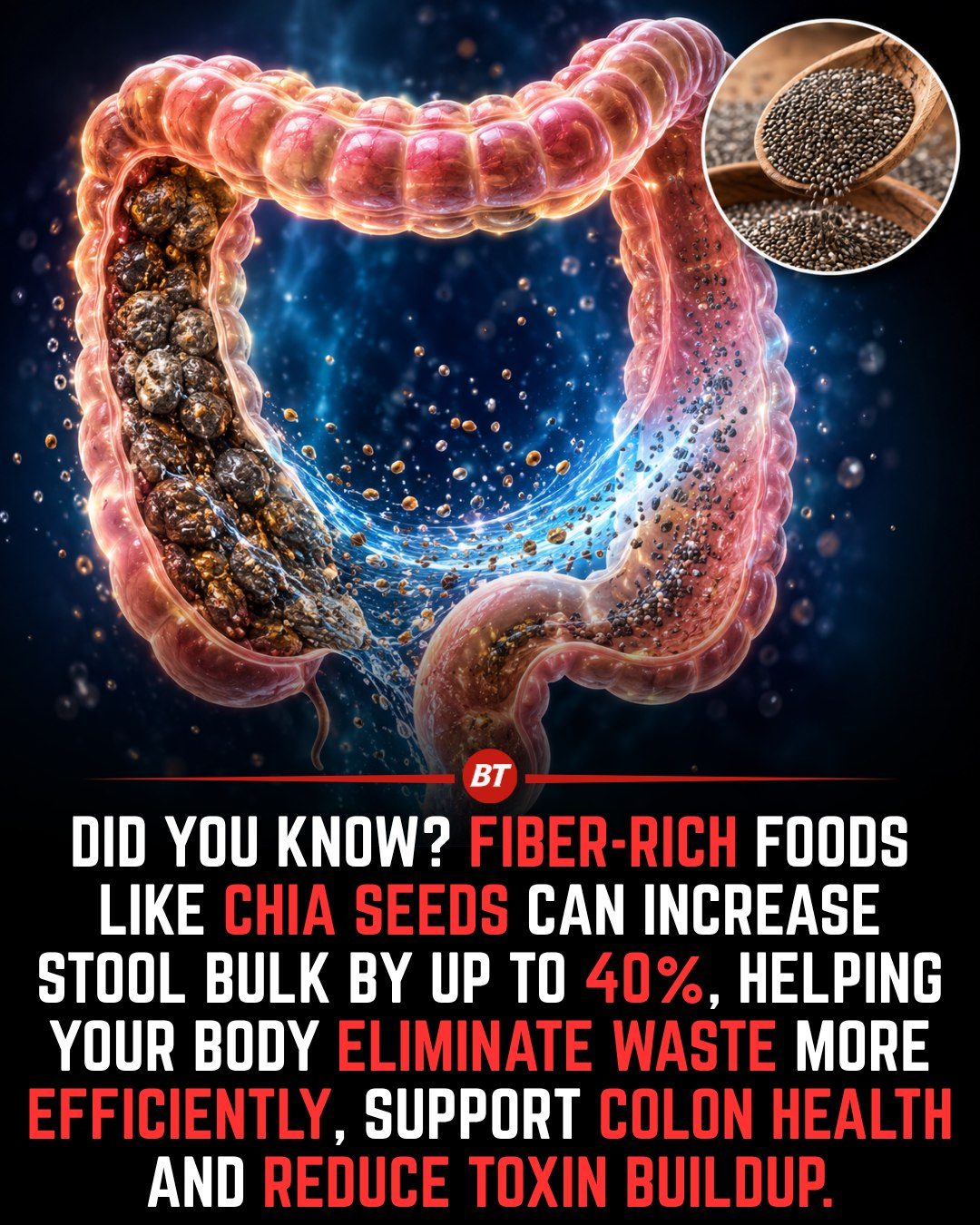
Colon Health and Fiber
Maintaining a healthy colon is essential for overall well-being, and one of the simplest ways to support colon health is by consuming more fiber-rich foods, particularly chia seeds. These tiny seeds are packed with both soluble and insoluble fiber, making them an excellent addition to any diet focused on digestive health.
Why This Matters
Fiber plays a crucial role in maintaining a healthy digestive system. It helps increase stool bulk, supports regular bowel movements, and aids in the efficient elimination of waste. By incorporating fiber-rich foods like chia seeds into your diet, you can enhance your colon health and reduce the risk of various digestive issues.
The Role of Fiber in Colon Health
Understanding Fiber Types
Fiber comes in two main types: soluble and insoluble. Soluble fiber dissolves in water and forms a gel-like substance, which can help slow down digestion and promote feelings of fullness. Insoluble fiber, on the other hand, does not dissolve in water and adds bulk to stool, aiding in its movement through the digestive tract.
Chia seeds are unique because they contain both types of fiber. When chia seeds absorb water, they form a soft gel that adds moisture to stool. This, combined with their insoluble fiber, helps food move more efficiently through the digestive system, supporting regular bowel movements and preventing constipation.
Benefits of Fiber for Colon Health
Increased Stool Bulk
One of the primary benefits of fiber is its ability to increase stool bulk. Fiber-rich foods like chia seeds can increase stool bulk by up to 40%, helping your body eliminate waste more efficiently. This not only supports colon health but also reduces the risk of developing diverticular disease and other colon-related issues.
Reduced Toxin Buildup
Fiber also helps your body naturally eliminate waste products, cholesterol, and excess bile acids through the stool. This continuous elimination process helps maintain internal balance and reduces toxin buildup, which can otherwise lead to various health issues.
Improved Gut Microbiome
Researchers have found that diets rich in fiber are associated with a healthier gut microbiome. Fiber feeds beneficial gut bacteria, which produce short-chain fatty acids. These fatty acids help nourish the cells lining your colon, supporting a healthy digestive environment and reducing the risk of colon-related diseases.
Practical Tips for Incorporating Fiber into Your Diet
Chia Seeds: A Fiber-Rich Powerhouse
Chia seeds are one of the most fiber-dense foods available. Just a couple of tablespoons provide around 10 grams of fiber, helping you meet your daily fiber needs more easily. To incorporate chia seeds into your diet, try the following tips:
- Soak and Stir: Stir 1–2 tablespoons of chia seeds into water, yogurt, smoothies, or oatmeal and let them soak for at least 15–20 minutes before eating. This allows the seeds to form a gel and absorb water, making them easier to digest.
- Stay Hydrated: Remember to drink plenty of water throughout the day. Fiber works best when there is enough water in the digestive system to aid in the movement of stool.
- Versatile Use: Chia seeds can be added to a variety of dishes, from breakfast bowls to baked goods. Their mild flavor and versatile texture make them a great addition to any meal.
Other Fiber-Rich Foods
While chia seeds are an excellent source of fiber, there are many other fiber-rich foods that can support colon health. Some of these include:
- Fruits and Vegetables: Foods like apples, berries, broccoli, and carrots are high in fiber and can be easily incorporated into daily meals.
- Whole Grains: Opt for whole grains like brown rice, quinoa, and whole-wheat bread instead of their refined counterparts to increase your fiber intake.
- Legumes: Beans, lentils, and peas are excellent sources of fiber and can be added to soups, stews, and salads.
Important Takeaways
While fiber is essential for colon health, it is important to remember that most adults consume far less fiber than recommended. Including fiber-rich foods in your diet and paying attention to hydration can significantly improve your digestive health and reduce the risk of colon-related diseases. By making simple dietary changes, you can support your colon's natural detoxification process and maintain a healthy digestive system.
Conclusion
Incorporating more fiber into your diet, particularly through foods like chia seeds, is one of the simplest and most effective ways to support colon health. By understanding the role of fiber in digestive health and making conscious dietary choices, you can improve your overall well-being and reduce the risk of various health issues. With a little effort and the right knowledge, maintaining a healthy colon can be an achievable and beneficial part of your daily routine.
Watch the Reel
Questions readers ask
How do chia seeds specifically benefit colon health?
Chia seeds are rich in both soluble and insoluble fiber, which work together to support colon health. The soluble fiber helps soften stool and slows down digestion, while the insoluble fiber adds bulk to stool, promoting regular bowel movements and preventing constipation, thus reducing the risk of digestive issues.
What are the benefits of soluble fiber in chia seeds for digestive health?
The soluble fiber in chia seeds absorbs water and forms a gel-like substance in the digestive tract, which softens stool and makes it easier to pass. This process helps to slow down digestion, allowing for better nutrient absorption and promoting healthier stool, which is beneficial for colon health.
How does the insoluble fiber in chia seeds contribute to better colon health?
Insoluble fiber in chia seeds adds bulk to stool, which helps to move waste through the digestive system more efficiently. This increased stool bulk and faster transit time can help to reduce the risk of digestive issues like constipation, diverticular disease, and even colon cancer, as waste spends less time in the colon.
What are the best ways to incorporate chia seeds into my diet for improved digestion?
Chia seeds can be easily incorporated into various meals and snacks. You can sprinkle them into yogurt, smoothies, or oatmeal, or even add them to baked goods. You can also create chia pudding by mixing chia seeds with liquid and letting it sit. They can be used to thicken sauces or as an egg replacement in vegan baking.
What other high-fiber foods can I consume alongside chia seeds to boost colon health?
In addition to chia seeds, you can incorporate other high-fiber foods like leafy greens, whole grains, fruits, and vegetables. Foods such as lentils, beans, and psyllium husk also provide significant amounts of fiber, both soluble and insoluble, which can further support colon health and regular bowel movements.
Related deep dives
Similar reads based on topic and creator.




Recent articles
Fresh deep dives from the latest Reels we unpacked.




Comments
Be the first to comment.