Broccoli and Sulforaphane
Broccoli is a nutritional powerhouse, and one of its most notable health-promoting compounds is sulforaphane. This phytochemical is renowned for its potential health benefits, which include activating the body's natural detoxification enzymes, reducing oxidative stress, and supporting healthy inflammation responses. However, the transformation of broccoli into this potent compound involves a simple but crucial kitchen step.
Context
What is Sulforaphane?
Sulforaphane is a compound found in cruciferous vegetables like broccoli, cauliflower, and Brussels sprouts. It’s formed when the vegetable is cut, chopped, or chewed, which brings together glucoraphanin and an enzyme called myrosinase. This interaction activates sulforaphane, making it available for the body to absorb and utilize.
Why This Matters
The timing of when you cook broccoli can significantly impact the amount of sulforaphane it produces. Heat quickly destroys myrosinase, the enzyme that converts glucoraphanin into sulforaphane. If you cook broccoli immediately after cutting it, much of the enzyme is inactivated before it can produce sulforaphane. This means you might miss out on the full health benefits of this powerful compound.
Main Discussion
The Science Behind Sulforaphane
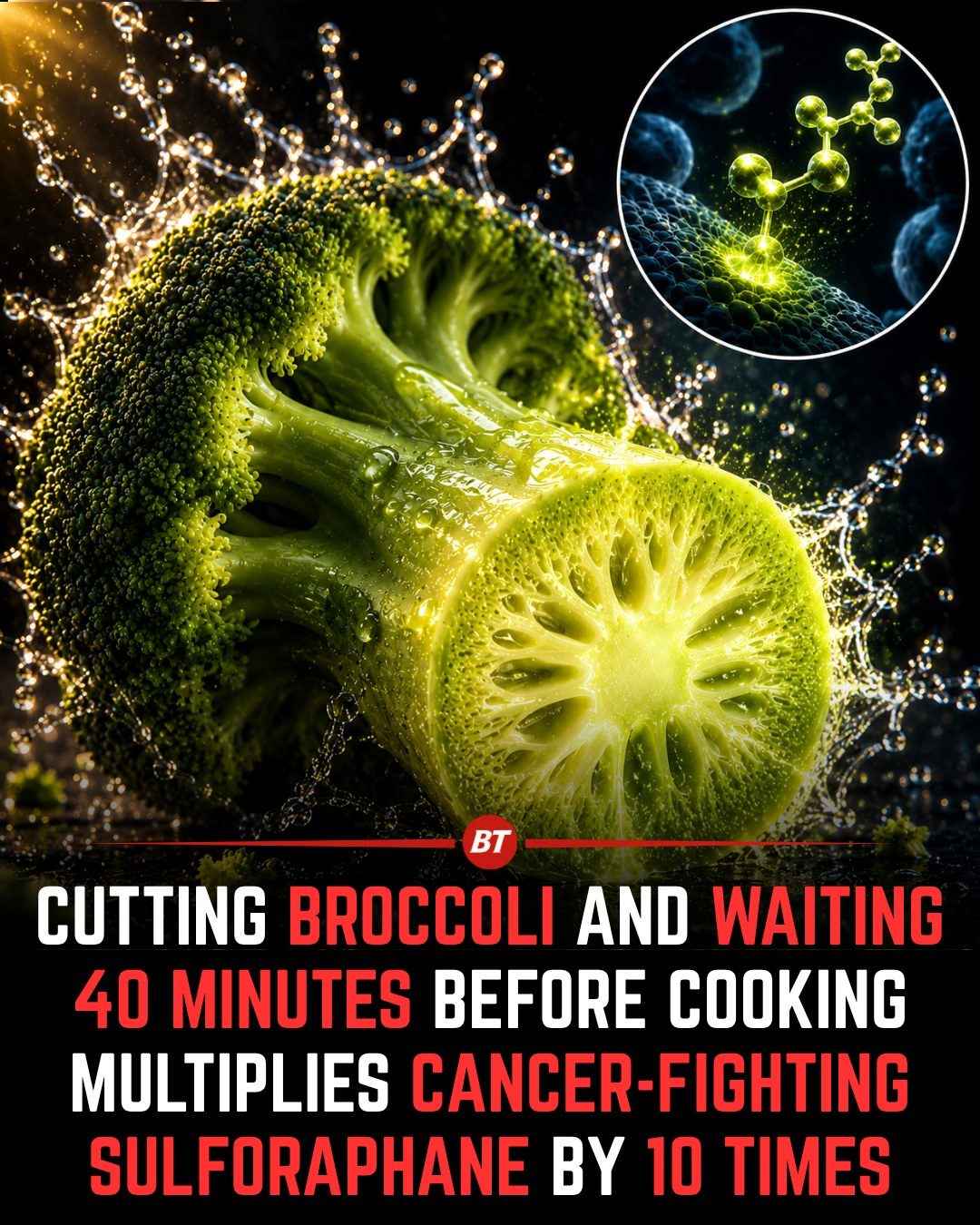
Broccoli naturally contains glucoraphanin, a precursor to sulforaphane. When you cut or chop broccoli, glucoraphanin comes into contact with myrosinase, an enzyme that converts glucoraphanin into sulforaphane. This process is essential for maximizing the health benefits of broccoli. Researchers have found that allowing chopped broccoli to sit for about 40 minutes before cooking gives myrosinase enough time to convert a significant amount of glucoraphanin into sulforaphane. This simple step can increase the amount of sulforaphane available by up to 10 times compared to broccoli that is cooked immediately after being cut.
The Benefits of Sulforaphane
Sulforaphane has been extensively studied for its potential health benefits. It is known to:
- Activate the body's natural detoxification enzymes, helping to eliminate harmful toxins.
- Reduce oxidative stress, which can damage cells and contribute to chronic diseases.
- Support healthy inflammation responses, which is crucial for overall health.
- Help protect cells from DNA damage, which can lead to various health issues, including cancer.
Practical Tips
How to Maximize Sulforaphane in Broccoli
To get the most out of broccoli's sulforaphane, follow these simple steps:
-
Cut and Wait: Chop your broccoli into florets and let it rest for 30-40 minutes before cooking. This allows the enzyme myrosinase to convert glucoraphanin into sulforaphane.
-
Light Cooking: Lightly steam or stir-fry the broccoli to retain as much of the sulforaphane as possible. Avoid overcooking, as this can destroy the compound.
-
Add Myrosinase: If you've already cooked the broccoli immediately after cutting it, you can still boost its sulforaphane content by adding a pinch of raw mustard powder, chopped radish, arugula, or fresh broccoli sprouts. These additions provide extra myrosinase, which can help regenerate sulforaphane formation.
Incorporating Broccoli into Your Diet
Broccoli is a versatile vegetable that can be incorporated into a variety of dishes. Here are a few ideas to help you include it in your meals:
- Salads: Add raw broccoli florets to your favorite salads for a crunchy, nutrient-dense addition.
- Smoothies: Blend broccoli into smoothies for a nutritional boost. Pair it with fruits like bananas, apples, and berries to balance the flavors.
- Stir-Fries: Stir-fry broccoli with other vegetables and your choice of protein for a healthy and delicious meal.
- Soups: Add broccoli to soups and stews for added flavor and nutrition.
Important Takeaways
- Timing Matters: Allowing chopped broccoli to sit for 30-40 minutes before cooking can significantly increase its sulforaphane content.
- Cooking Method: Opt for lighter cooking methods like steaming or stir-frying to preserve sulforaphane.
- Additions: If you've already cooked broccoli immediately, adding raw mustard powder, chopped radish, arugula, or fresh broccoli sprouts can help boost sulforaphane levels.
Conclusion
Broccoli is more than just a versatile vegetable; it's a powerhouse of nutrients, particularly when it comes to sulforaphane. By understanding the science behind sulforaphane and incorporating a few simple steps into your cooking routine, you can maximize the health benefits of this incredible compound. Whether you add it to salads, smoothies, or stir-fries, broccoli is an excellent choice for a healthy diet.
Watch the Reel
Questions readers ask
How does waiting before cooking broccoli enhance its cancer-fighting power?
Waiting before cooking broccoli allows the formation of more sulforaphane. When broccoli is chopped, the enzyme myrosinase is activated and mixes with glucoraphanin to form sulforaphane. Allowing this mixture to sit for a bit, before high heat cooking, increases the amount of beneficial sulforaphane available in the broccoli.
What is the best way to prepare broccoli to maximize its health benefits?
To maximize health benefits, chop or cut the broccoli and let it sit for about 5-10 minutes before cooking. This process allows the formation of sulforaphane. High heat cooking methods, such as steaming or sautéing for a short period, are recommended to preserve the nutrients in the broccoli.
Why is it important to cut broccoli before cooking?
Cutting broccoli before cooking activates the enzyme myrosinase, which then converts glucoraphanin into sulforaphane. This process is crucial for enhancing the broccoli's health benefits, particularly its potential to combat cancers and support overall health.
Can I still get the benefits of sulforaphane if I don’t wait before cooking broccoli?
If you don't wait to cook broccoli, you won't maximize sulforaphane formation, but you will still get some benefits. However, letting the broccoli sit after cutting ensures that the myrosinase and glucoraphanin can interact and form a higher concentration of sulforaphane.
What are some healthy ways to cook broccoli?
Healthy ways to cook broccoli include steaming, sautéing, or stir-frying for a short period. These cooking methods help to preserve the nutrients in the broccoli, including sulforaphane. Just make sure to let the broccoli sit for a bit after chopping before cooking to maximize the formation of the beneficial compound.
What happens to broccoli when it is cooked immediately after cutting?
If broccoli is cooked immediately after cutting, the myrosinase enzyme may be inactivated by heat before it has a chance to fully interact with glucoraphanin. This results in less sulforaphane formation which can reduce the broth of the health benefits.
What is glucoraphanin and how does it relate to sulforaphane?
Glucoraphanin is a compound found in broccoli that is converted into sulforaphane when the vegetable is cut or chopped. Myrosinase, an enzyme present in broccoli, catalyzes this conversion. Allowing the broccoli to sit after cutting allows the glucoraphanin to transform into the more beneficial sulforaphane.
Related deep dives
Similar reads based on topic and creator.




Recent articles
Fresh deep dives from the latest Reels we unpacked.




Comments
Be the first to comment.