Blueberry Benefits
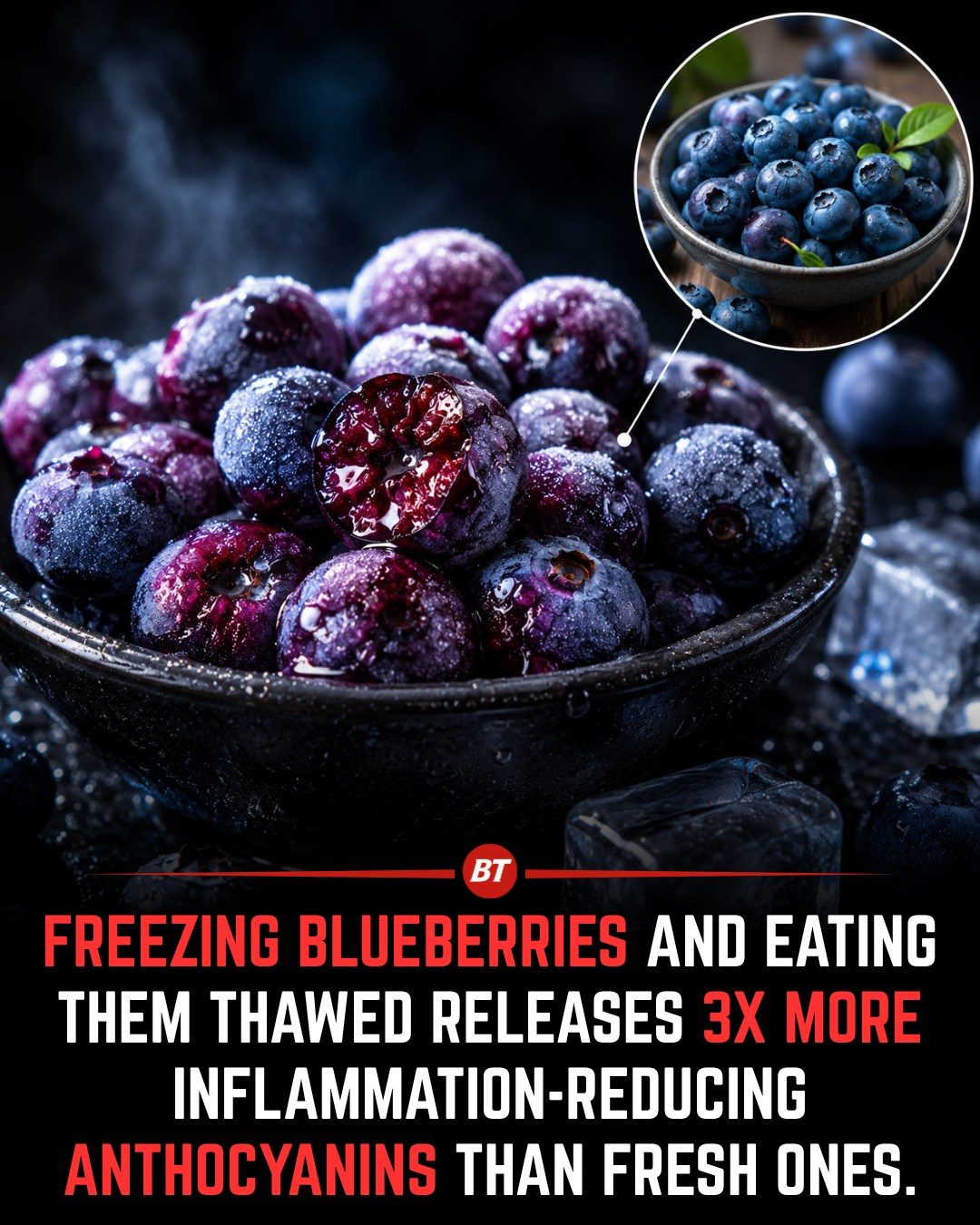
Blueberries are a nutritional powerhouse, packed with powerful antioxidants known as anthocyanins. These deep blue-purple pigments are responsible for many of the health benefits associated with blueberries. Freezing blueberries can actually enhance their antioxidant properties, making them an even more valuable addition to your diet.
Why This Matters
Freezing blueberries isn't just about preservation; it can increase the accessibility of their beneficial compounds. When blueberries are frozen, tiny ice crystals form inside the fruit, rupturing some of the plant's cell walls. As the berries thaw, more of their anthocyanins can be released, making them easier to access during digestion and food preparation. This process can significantly boost the availability of these inflammation-reducing antioxidants.
Exploring Blueberry Benefits
Blueberries: Nature's Superfood
Blueberries are renowned for their high antioxidant content, particularly anthocyanins. These compounds have been extensively studied for their ability to help reduce oxidative stress and support a healthy inflammatory response throughout the body. Oxidative stress occurs when there is an imbalance between the production of free radicals and the body's ability to neutralize them with antioxidants. By reducing oxidative stress, anthocyanins can help protect cells from damage and support overall health.
The Science Behind Freezing
The process of freezing and thawing blueberries can make their antioxidants more accessible. Laboratory studies have shown that freezing can increase the extractability of these antioxidants. As the berries freeze, ice crystals form inside the fruit, rupturing the cell walls. When the berries thaw, the ruptured cells release more anthocyanins, making them more readily available for digestion and absorption.
Health Benefits of Anthocyanins
Anthocyanins are not just powerful antioxidants; they also offer a range of health benefits. A 2023 review published in the journal Antioxidants highlighted anthocyanins as one of the key compounds behind blueberries' benefits for brain health, cardiovascular health, and healthy aging. These compounds help protect cells from oxidative damage, support healthy blood vessels, and promote normal communication between brain cells.
Fresh vs. Frozen
Both fresh and frozen blueberries are excellent choices for incorporating into your diet. Freezing helps preserve most of their nutrients, making it easy to enjoy antioxidant-rich berries all year long. Whether you prefer to buy them fresh and freeze them yourself, or purchase them pre-frozen, you can benefit from their nutritional value.
Practical Tips
Freezing Blueberries
To freeze blueberries, simply place fresh blueberries in a single layer on a baking sheet and freeze for a couple of hours. Once frozen, transfer them to an airtight container or freezer bag. This method ensures that the berries do not clump together, making it easier to use them in recipes.
Using Frozen Blueberries
Frozen blueberries can be used in a variety of ways. Here are a few ideas:
- Smoothies: Add a handful of frozen blueberries to your favorite smoothie recipe for a refreshing boost of antioxidants.
- Oatmeal: Top your morning oatmeal with a scoop of thawed blueberries for added flavor and nutrition.
- Yogurt: Mix thawed blueberries into yogurt for a delicious and healthy snack.
- Baking: Use frozen blueberries in muffins, pancakes, or other baked goods. They add natural sweetness and a burst of color.
Thawing Blueberries
When using frozen blueberries in recipes or meals, allow them to thaw for 10-15 minutes before adding them to your dish. This brief thawing period helps release more anthocyanins, making the nutrients more accessible. For a softer texture, consider thawing the berries completely.
Important Takeaways
Freezing blueberries can enhance their nutritional value by increasing the availability of anthocyanins, the powerful antioxidants responsible for many of their health benefits. Both fresh and frozen blueberries are excellent choices for incorporating into your diet. Whether you enjoy them in smoothies, oatmeal, yogurt, or baked goods, blueberries offer a range of health benefits that support brain health, cardiovascular health, and overall well-being. By freezing and thawing blueberries, you can maximize their antioxidant potential and enjoy their benefits year-round.
Conclusion
Blueberries are a nutrient-rich superfood that offers a range of health benefits. Freezing them can enhance their antioxidant properties, making them an even more valuable addition to your diet. By incorporating both fresh and frozen blueberries into your meals, you can enjoy their delicious taste and reap the benefits of their powerful antioxidants. Whether you choose to freeze them yourself or purchase them pre-frozen, blueberries are a nutritional powerhouse that can support your overall health and well-being.
Watch the Reel
Questions readers ask
How does freezing enhance the antioxidant content of blueberries?
Freezing creates tiny ice crystals that rupture some cell walls in blueberries. This rupture upon thawing releases more anthocyanins, the antioxidants responsible for the blueberry's deep color and health benefits, therefore increasing their accessibility during digestion and food preparation.
What are the benefits of using frozen blueberries instead of fresh ones?
Frozen blueberries can offer more health benefits compared to fresh ones. This is due to the increased availability of anthocyanins, the antioxidants, which are released during the freezing process and made more readily available during digestion and digestion.
Can I freeze blueberries at home to boost their health benefits?
Yes, you can easily freeze blueberries at home. Simply rinse them, pat them dry, and place them in a single layer on a baking sheet. Freeze for a few hours, then transfer to an airtight container to store in the freezer. This process can help boost the antioxidant content of your blueberries.
Does the freezing process affect the nutritional content of blueberries?
The freezing process does not reduce the nutritional content of blueberries. In fact, it can enhance the accessibility of their beneficial compounds. When blueberries are frozen, the cell walls rupture, releasing more anthocyanins. As a result, the health benefits of blueberries, particularly their antioxidant properties, can be more readily accessed and absorbed by the body.
Why are anthocyanins important in blueberries?
Anthocyanins are a group of plant compounds that give blueberries their distinctive blue-purple color. They are powerful antioxidants, and they are responsible for many of the health benefits associated with blueberries, including boosting cardiovascular health, providing anti-inflammatory benefits and supporting brain health.
How long can I store frozen blueberries?
Frozen blueberries can be stored in the freezer for up to 10-12 months. To ensure the best quality, store them in an airtight container and keep them frozen at a consistent temperature. This will maintain their nutritional benefits and make them a convenient addition to your meals all year round.
Can I use frozen blueberries for baking and cooking?
Yes, frozen blueberries can be used for baking and cooking. In fact, using them in recipes can boost the antioxidant content of your dishes. You can add them directly to recipes, such as muffins, pancakes, or smoothies, without needing to thaw them first. However, be aware that they may release more liquid as they cook, so you may need to adjust your recipe accordingly.
Related deep dives
Similar reads based on topic and creator.




Recent articles
Fresh deep dives from the latest Reels we unpacked.




Comments
Be the first to comment.