Mechanical Stress and Bone Remodeling
Bone, the structural framework of the human body, is not static. It continuously adapts and reshapes in response to the forces it experiences. This process, known as bone remodeling, is crucial for maintaining skeletal integrity and strength.
Why This Matters
Understanding how mechanical stress influences bone structure is vital for various reasons. It helps in comprehending the effects of physical activity, inactivity, and even space travel on bone health. This knowledge is particularly important for athletes, the elderly, and individuals recovering from injuries or illnesses that require extended bed rest.
Bone Structure and Mechanical Stress
Tibia vs. Rib: A Study in Contrasts
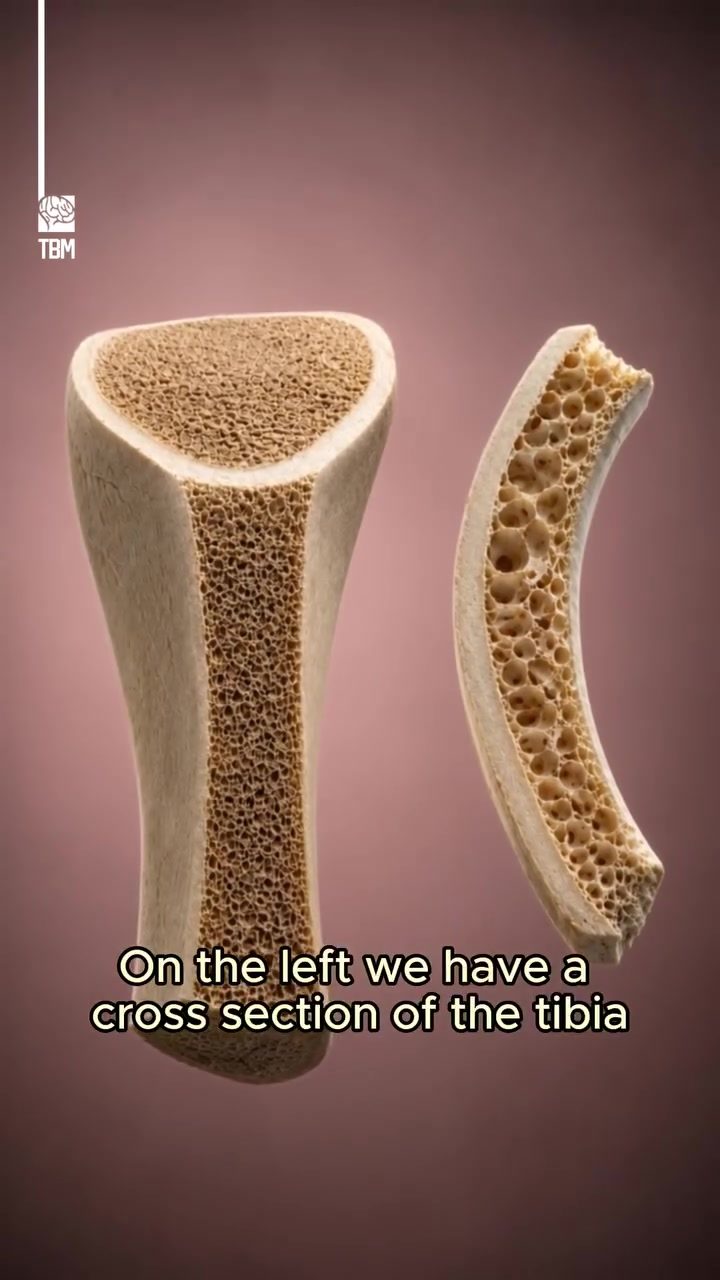
To appreciate the impact of mechanical stress, consider the tibia and rib. The tibia, or shinbone, bears significant weight and experiences considerable mechanical stress during activities like standing, walking, running, and jumping. As a result, it has a thicker outer layer of cortical bone and a stronger internal framework. In contrast, the rib carries far less body weight and is thus thinner and more flexible. These structural differences allow each bone to withstand the specific forces placed upon it.
The Dynamics of Bone Remodeling
Bone is not a static structure; it is living tissue that constantly reconstructs itself. Specialized cells play a key role in this process:
- Osteoclasts: These cells break down older or weakened bone tissue.
- Osteoblasts: These cells replace the broken-down tissue with new bone.
This remodeling process is driven by mechanical stress. When a region of bone is repeatedly loaded, more bone is deposited where the stress is greatest. Over time, the cortical layer may thicken, and the internal trabecular network becomes denser and better aligned to resist force. Conversely, when loading decreases—for example, through bed rest, immobilization, or microgravity—bone tissue is gradually removed, reducing density and strength.
The Impact of Mechanical Stress on Bone Health
Benefits of Physical Activity
Regular physical activity, particularly weight-bearing exercises, is essential for maintaining bone density and strength. Activities like running, jumping, and resistance training place mechanical stress on the bones, stimulating the deposition of new bone tissue. This is why athletes often have denser bones compared to sedentary individuals.
Consequences of Inactivity
Prolonged inactivity, such as bed rest during illness or injury, can lead to significant bone loss. Studies have shown that astronauts experience bone density loss in microgravity, highlighting the importance of mechanical stress for bone health. Similarly, individuals with sedentary lifestyles are at a higher risk of osteoporosis, a condition characterized by low bone density and increased bone fragility.
Practical Tips for Maintaining Bone Health
To keep bones strong and healthy, incorporate the following practices into your routine:
- Regular Exercise: Engage in weight-bearing and resistance exercises to stimulate bone remodeling.
- Balanced Diet: Ensure adequate intake of calcium and vitamin D, which are essential for bone health.
- Avoid Prolonged Inactivity: If bed rest is necessary, consult with a healthcare provider about strategies to minimize bone loss, such as early mobilization and resistance exercises.
Important Takeaways
- Bone is dynamic: It continually remodels in response to mechanical stress.
- Physical activity is crucial: Regular exercise helps maintain bone density and strength.
- Inactivity can be detrimental: Prolonged periods of inactivity can lead to bone loss.
- Mechanical stress shapes bone structure: The forces placed on bones influence their shape and strength.
Conclusion
Mechanical stress plays a pivotal role in shaping bone structure and maintaining bone health. By understanding this process, individuals can take proactive steps to keep their bones strong and resilient. Whether through regular exercise, a balanced diet, or strategies to minimize the effects of prolonged inactivity, the key is to stay active and engaged in activities that stimulate bone remodeling.
Watch the Reel
Questions readers ask
What is bone remodeling and why is it important?
Bone remodeling is a natural, ongoing process where bone tissue is continually broken down and rebuilt in response to mechanical stress. This process is important because it helps maintain skeletal integrity, strength, and overall health by adapting to the forces and demands placed on the bones.
How does mechanical stress affect bone remodeling?
Mechanical stress, such as that from weight-bearing activities or physical exertion, stimulates bone remodeling. Bones adapt to these stresses by adding or redistributing bone tissue, which makes them stronger and more resistant to future stress.
What are some effective bone strengthening exercises?
Exercises that involve weight-bearing and resistance, such as running, walking, strength training, and jumping, are particularly effective for bone strengthening. These activities subject bones to mechanical stress, prompting them to remodel and grow stronger.
How does prolonged inactivity impact bone remodeling?
Prolonged inactivity, such as extended bed rest or sedentary lifestyle, can lead to a decrease in bone density and strength. Without the mechanical stresses from movement, the bone remodeling process is disrupted, leading to bone loss over time.
Can bone remodeling be influenced by specific lifestyle factors?
Yes, lifestyle factors such as diet, exercise, and overall physical activity play a significant role in bone remodeling. Adequate intake of calcium and vitamin D, along with regular weight-bearing and resistance exercises, can support and enhance the bone remodeling process.
Why is bone remodeling relevant to athletes and elderly individuals?
Bone remodeling is crucial for athletes as it helps them adapt to and recover from intense physical training and competitions. For the elderly, understanding bone remodeling is important for preventing osteoporosis and reducing the risk of fractures, as bone density naturally decreases with age.
How do bones adapt to different types of mechanical stress?
Bones adapt to different types of mechanical stress by altering their structure and density. For example, bones in areas subject to high compression, like the tibia, become thicker and denser, while bones under tension, like the ribs, develop a more porous structure to withstand specific types of stress.
Recent articles
Fresh deep dives from the latest Reels we unpacked.




Comments
Be the first to comment.