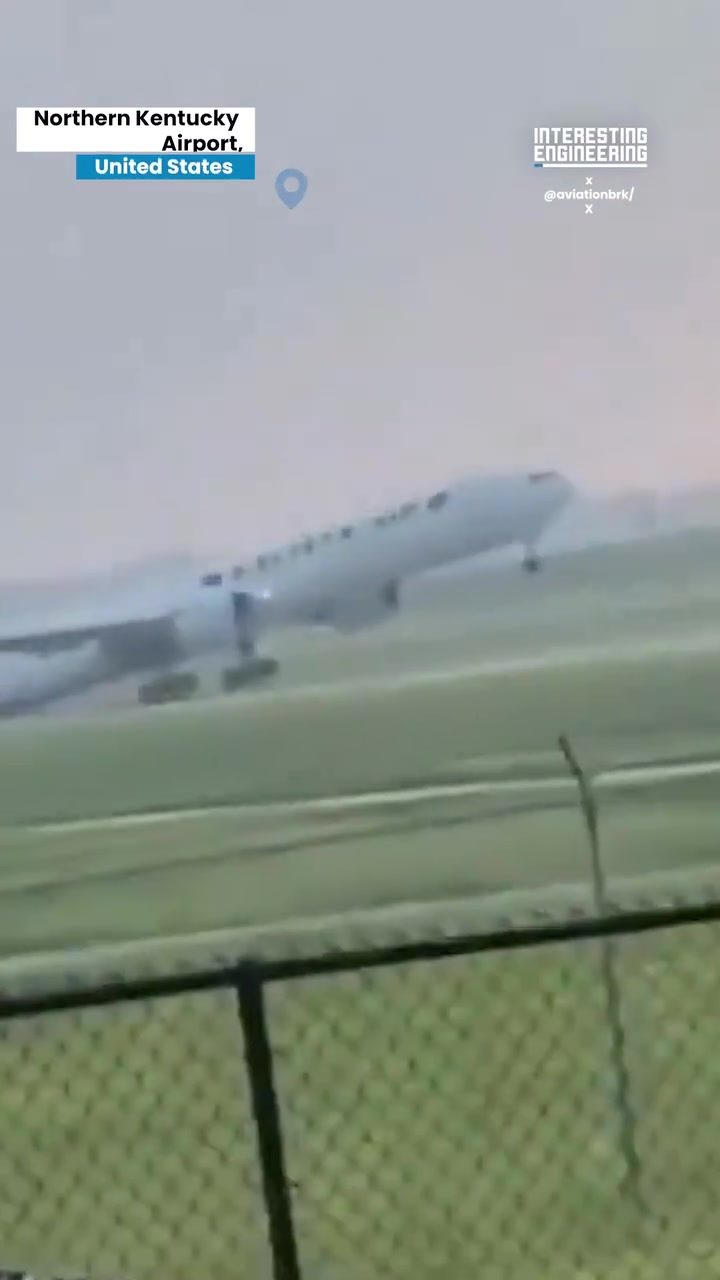
Aircraft Tailstrike Incident
A Boeing 777 aircraft, operated by Kalitta Air, experienced a tailstrike incident while attempting to land at Northern Kentucky International Airport near Cincinnati. The tail of the aircraft scraped the runway, sending sparks across the surface. The crew swiftly performed a go-around and successfully landed on a second attempt. Fortunately, no injuries were reported, and the aircraft was withdrawn from service for inspection.
Why Aircraft Tailstrike Incidents Matter
Tailstrike incidents occur when the tail of an aircraft touches the runway during takeoff or landing. These events are significant because they can cause structural damage to the aircraft and pose potential safety risks. Understanding the causes and consequences of tailstrike incidents is essential for maintaining aviation safety standards.
Causes and Consequences of Tailstrike Incidents
Causes of Tailstrike Incidents
Several factors can contribute to a tailstrike incident:
- Pilot Technique: Improper landing techniques, such as landing with a high pitch angle, can cause the tail to strike the runway.
- Windshear: Sudden changes in wind speed or direction can disrupt the aircraft's approach, leading to a tailstrike.
- Runway Conditions: Uneven runway surfaces or debris can cause the tail to come into contact with the ground.
- Aircraft Design: Some aircraft models may have a higher risk of tailstrike due to their design features, such as a longer fuselage or a higher tail height.
Consequences of Tailstrike Incidents
A tailstrike can have several consequences, including:
- Structural Damage: The impact can cause damage to the tail, fuselage, or other parts of the aircraft, potentially compromising its structural integrity.
- Operational Disruptions: The aircraft may need to be grounded for repairs, leading to delays and operational disruptions.
- Safety Risks: In severe cases, a tailstrike can lead to more serious incidents, such as a crash or loss of control.
Handling a Tailstrike Incident
Immediate Actions
When a tailstrike occurs, the crew must take immediate actions to ensure safety:
- Perform a Go-Around: If the tailstrike happens during landing, the crew should initiate a go-around to abort the landing and assess the situation.
- Secure the Aircraft: After landing or in case of an emergency landing, secure the aircraft and ensure the safety of passengers and crew.
- Conduct an Inspection: Perform a thorough inspection of the aircraft to identify any structural damage.
Post-Incident Procedures
Following a tailstrike, several post-incident procedures should be conducted:
- Ground the Aircraft: Withdraw the aircraft from service for a detailed inspection and evaluation.
- Initiate Maintenance: Carry out necessary repairs to restore the aircraft to a safe operating condition.
- Report the Incident: Document the incident and report it to the relevant aviation authorities for investigation.
Practical Tips for Preventing Tailstrike Incidents
While tailstrike incidents can occur due to various factors, there are several practical tips to help prevent them:
For Pilots
- Proper Landing Technique: Maintain a proper pitch angle and follow recommended landing procedures to avoid a tailstrike.
- Stay Alert to Wind Conditions: Be aware of changing wind conditions and adjust the approach accordingly.
- Regular Training: Participate in regular training sessions to stay updated on best practices for landing and avoiding tailstrike incidents.
For Aviation Authorities
- Runway Maintenance: Ensure that runways are well-maintained and free from debris or uneven surfaces.
- Aircraft Design Reviews: Regularly review aircraft designs to identify any potential risks for tailstrike incidents.
- Enhanced Reporting: Implement enhanced reporting systems to gather data on tailstrike incidents and use it to improve safety protocols.
For Airline Operators
- Pre-Flight Checks: Conduct thorough pre-flight inspections to identify any potential risks.
- Maintenance Schedules: Follow strict maintenance schedules to ensure aircraft are in optimal condition.
- Pilot Support: Provide ongoing support and resources for pilots to maintain their skills and knowledge.
Important Takeaways
Tailstrike incidents are a significant concern in aviation, posing risks to both aircraft and passengers. Understanding the causes, consequences, and preventive measures can help mitigate these incidents. Pilots, aviation authorities, and airline operators all play crucial roles in ensuring the safety and efficiency of airline operations.
Conclusion
The recent tailstrike incident involving a Kalitta Air Boeing 777 at Northern Kentucky International Airport highlights the importance of vigilance and preparedness in aviation. By understanding the causes and consequences of tailstrike incidents, and implementing effective preventive measures, we can enhance aviation safety and minimize the risks associated with these incidents.
Watch the Reel
Questions readers ask
What is a tailstrike and how does it occur?
A tailstrike is an incident where an aircraft's tail contacts the runway during takeoff or landing. This typically happens when the nose of the aircraft is pitched up too high, causing the tail to drop and strike the ground. It can occur due to various factors, including pilot error, improper aircraft configuration, or runway conditions.
What are the potential risks of a tailstrike incident?
Tailstrike incidents can cause significant structural damage to the aircraft, including damage to the tail, engines, or other critical components. They can also pose safety risks to passengers and crew, as well as potential hazards to ground personnel.
What should pilots do if a tailstrike occurs?
If a tailstrike occurs, pilots should follow emergency procedures, which typically involve aborting the landing or takeoff, performing a go-around, and conducting a thorough inspection of the aircraft. It is crucial to prioritize safety and ensure the aircraft is airworthy before attempting to fly again.
What measures can be taken to prevent tailstrike incidents?
Preventive measures include thorough pre-flight inspections, proper pilot training, adherence to standard operating procedures, and maintaining awareness of runway conditions. Airlines can also implement strict protocols for aircraft maintenance and regular updates to pilot training programs.
How do tailstrike incidents affect the aircraft's performance and safety?
A tailstrike can compromise the structural integrity of the aircraft, leading to reduced performance and potential safety risks. Damage to critical components can affect the aircraft's handling, stability, and overall safety, necessitating extensive repairs and inspections before the aircraft can be returned to service.
What was the outcome of the Boeing 777 tailstrike at Cincinnati's Northern Kentucky International Airport?
In the incident at Northern Kentucky International Airport, the Boeing 777 operated by Kalitta Air experienced a tailstrike but managed to perform a safe go-around and successfully landed on a second attempt. No injuries were reported, and the aircraft was withdrawn from service for a thorough inspection.
What procedures are in place for handling tailstrike incidents at airports?
Airports have established protocols for handling tailstrike incidents, which include immediate notification of ground personnel, activation of emergency response teams, and coordination with the airline to ensure the safety of passengers, crew, and the aircraft. These procedures often involve securing the area, conducting inspections, and facilitating repairs or replacements as needed.
Recent articles
Fresh deep dives from the latest Reels we unpacked.




Comments
Be the first to comment.