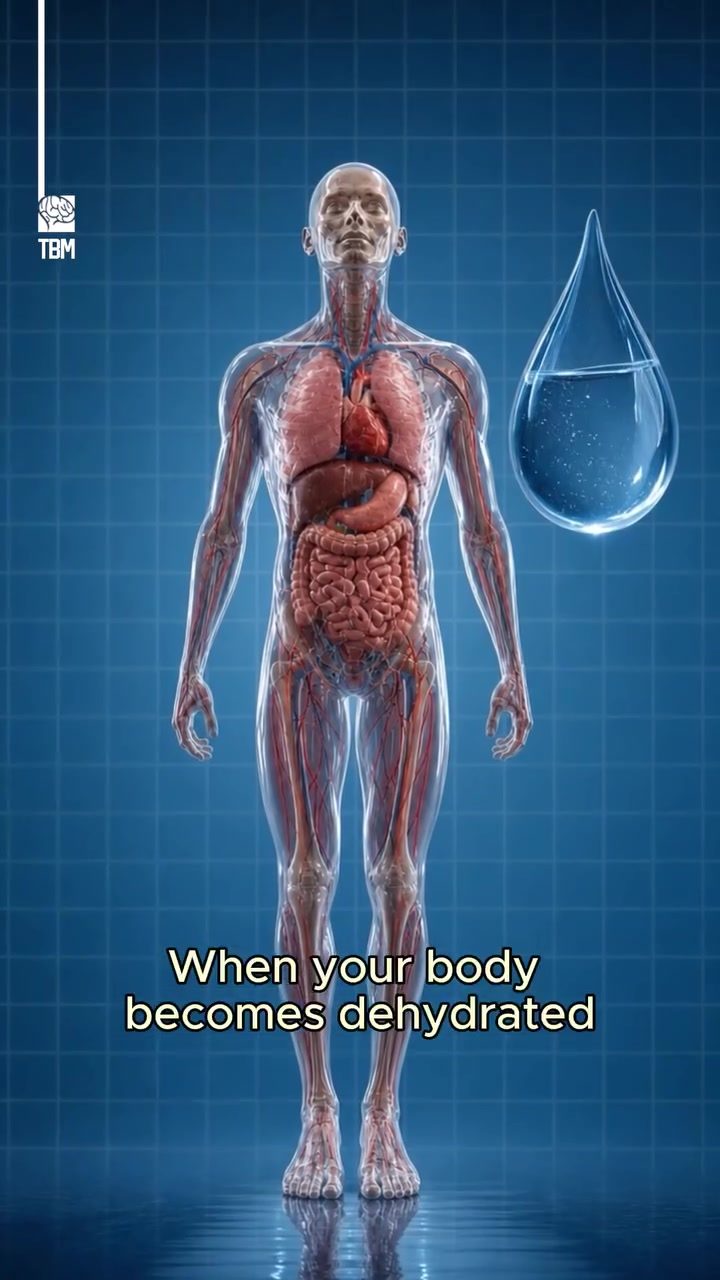
Body Hydration
Staying hydrated is essential for maintaining overall health, but what happens when your body starts to become dehydrated? Understanding the intricate mechanisms that kick in during dehydration can provide valuable insights into how the body works to restore balance and prevent further harm. Here’s a detailed look at what transpires inside your body when dehydration begins and how your brain, hormones, kidneys, and thirst work together to restore equilibrium.
Context
Dehydration is a common occurrence that can happen due to various reasons such as inadequate fluid intake, excessive sweating, or illnesses like diarrhea and vomiting. It's crucial to recognize the early signs of dehydration to take corrective actions promptly. The body has a sophisticated system in place to detect and respond to even the slightest signs of dehydration, ensuring that cells and organs receive the necessary hydration to function efficiently.
What Happens Inside the Body When You Get Dehydrated
The Role of the Hypothalamus and Pituitary Gland
When your body becomes dehydrated, a hidden emergency system springs into action. As blood volume drops and the concentration of solutes (such as electrolytes) in the blood rises, specialized sensors in the hypothalamus, a region of the brain, detect these changes. The hypothalamus is responsible for maintaining the body’s homeostasis, including fluid balance. In response, the pituitary gland, a small endocrine gland located at the base of the brain, releases antidiuretic hormone, or ADH, into the bloodstream.
Antidiuretic Hormone (ADH) and the Kidneys
ADH, also known as vasopressin, travels to the kidneys, signaling them to begin conserving water. The kidneys respond by reabsorbing more water from the urine, making the urine more concentrated. This process helps to retain as much water as possible, reducing fluid loss through urine. The kidneys play a crucial role in maintaining hydration by regulating the amount of water reabsorbed back into the bloodstream.
Thirst Sensation and Fluid Intake
Simultaneously, the brain triggers the sensation of thirst, encouraging you to drink fluids. This physiological response is a critical survival mechanism that ensures you replenish the lost water. As you consume water, it enters the bloodstream, gradually increasing blood volume and restoring normal solute levels. This process helps to restore the body’s internal balance, ensuring that cells and organs continue to function efficiently.
Restoring Internal Balance
Each step in this process—detection, hormone release, kidney adjustment, and fluid intake—works together to carefully restore the body’s internal balance. This coordinated response is essential for maintaining proper hydration and ensuring that all bodily functions continue to operate smoothly. The body’s ability to detect and respond to dehydration is a testament to its remarkable adaptability and resilience.
Important Components in the Body's Response to Dehydration
The Brain and Hypothalamus
The hypothalamus is the control center for many automatic functions of the body, including fluid balance. When dehydration begins, the hypothalamus detects changes in blood volume and solute concentration, triggering a cascade of responses designed to restore equilibrium. This detection system ensures that the body can respond quickly to even minor fluctuations in hydration levels.
The Pituitary Gland and ADH
The pituitary gland, often referred to as the "master gland," plays a pivotal role in the body’s response to dehydration. When the hypothalamus signals a need for fluid conservation, the pituitary gland releases ADH into the bloodstream. This hormone travels to the kidneys, where it prompts them to reabsorb more water from the urine, helping to maintain proper hydration levels.
The Kidneys and Urine Concentration
The kidneys are essential for maintaining fluid balance in the body. When ADH signals the kidneys to conserve water, they respond by reabsorbing more water from the urine, making it more concentrated. This process helps to retain as much water as possible, reducing fluid loss through urine. The kidneys’ ability to adjust water reabsorption is a critical component of the body’s response to dehydration.
Thirst and Fluid Intake
Thirst is a fundamental physiological response that drives us to drink fluids. When the brain detects dehydration, it triggers the sensation of thirst, encouraging you to drink water. This response is essential for replenishing lost fluids and restoring the body’s internal balance. As you consume water, it enters the bloodstream, gradually increasing blood volume and restoring normal solute levels.
Practical Tips for Maintaining Proper Hydration
Stay Hydrated
To maintain proper hydration, it’s essential to drink water regularly throughout the day. Aim for at least 8-10 glasses of water daily, and adjust your intake based on your activity level and environmental conditions. Carry a water bottle with you as a reminder to stay hydrated.
Monitor Urine Color
The color of your urine can be a good indicator of your hydration status. Clear or pale yellow urine indicates proper hydration, while dark yellow or amber-colored urine may suggest dehydration. If your urine is consistently dark, increase your fluid intake and consult a healthcare provider if symptoms persist.
Consume Water-Rich Foods
Include water-rich foods in your diet, such as fruits and vegetables. Foods like watermelon, cucumbers, and leafy greens have high water content and can contribute to your daily fluid intake. Incorporating these foods into your diet can help you stay hydrated and maintain overall health.
Avoid Excessive Caffeine and Alcohol
Caffeine and alcohol are known diuretics, which can increase urine production and lead to dehydration. Limit your consumption of caffeinated beverages and alcohol, and opt for water or other hydrating beverages instead.
Listen to Your Body
Pay attention to your body’s signals, and drink water when you feel thirsty. By staying hydrated, you can ensure that your body’s systems function optimally, and you maintain overall health.
Important Takeaways
Understanding the body’s response to dehydration provides valuable insights into the importance of staying hydrated. The coordinated efforts of the brain, hormones, kidneys, and thirst work together to restore balance and maintain proper hydration. By staying hydrated, monitoring urine color, consuming water-rich foods, and avoiding excessive caffeine and alcohol, you can ensure that your body functions efficiently and maintains overall health.
Conclusion
Dehydration is a significant issue that can have serious health implications. However, by understanding the complex mechanisms that the body employs to restore hydration, you can take proactive steps to maintain proper hydration. Whether it’s drinking water regularly, monitoring urine color, or paying attention to your body’s signals, staying hydrated is a critical aspect of overall health and well-being.
Watch the Reel
Questions readers ask
What are the early signs of dehydration that I should look out for?
Early signs of dehydration include increased thirst, dry mouth, fatigue, decreased urine output, and dark-colored urine. If you notice these symptoms, it's important to start rehydrating immediately by drinking water or other fluids that contain electrolytes.
How does the brain respond to dehydration?
The brain plays a crucial role in the body's response to dehydration. It triggers the release of the antidiuretic hormone (ADH) from the pituitary gland, which signals the kidneys to reabsorb more water and produce less urine. This helps to conserve body fluids and restore balance.
What role do the kidneys play in managing dehydration?
The kidneys are instrumental in maintaining fluid balance. When the body is dehydrated, the kidneys respond to hormones like ADH by reabsorbing more water from the urine, reducing urine output. This helps to retain as much fluid as possible within the body and prevent further dehydration.
How does the thirst mechanism work during dehydration?
The thirst mechanism is a vital response during dehydration. It is triggered by the hypothalamus in the brain, which detects changes in blood volume and electrolytes. When the body needs more water, the hypothalamus sends signals to stimulate the sensation of thirst, prompting you to drink fluids.
What hormones are involved in the body's response to dehydration?
Several hormones play a role in the body's response to dehydration, with the antidiuretic hormone (ADH) being the most significant. ADH is released by the pituitary gland in response to signals from the brain and triggers the kidneys to retain more water. Aldosterone, another hormone, helps the body retain sodium, which in turn helps to retain water.
Why is it important to recognize dehydration symptoms early?
Early recognition of dehydration symptoms is crucial because it allows for prompt intervention. Prompt rehydration can prevent more severe symptoms and complications, such as kidney issues, low blood pressure, and even heat stroke. By responding quickly, you can help your body restore its fluid balance and maintain essential functions.
Related deep dives
Similar reads based on topic and creator.



Recent articles
Fresh deep dives from the latest Reels we unpacked.




Comments
Be the first to comment.