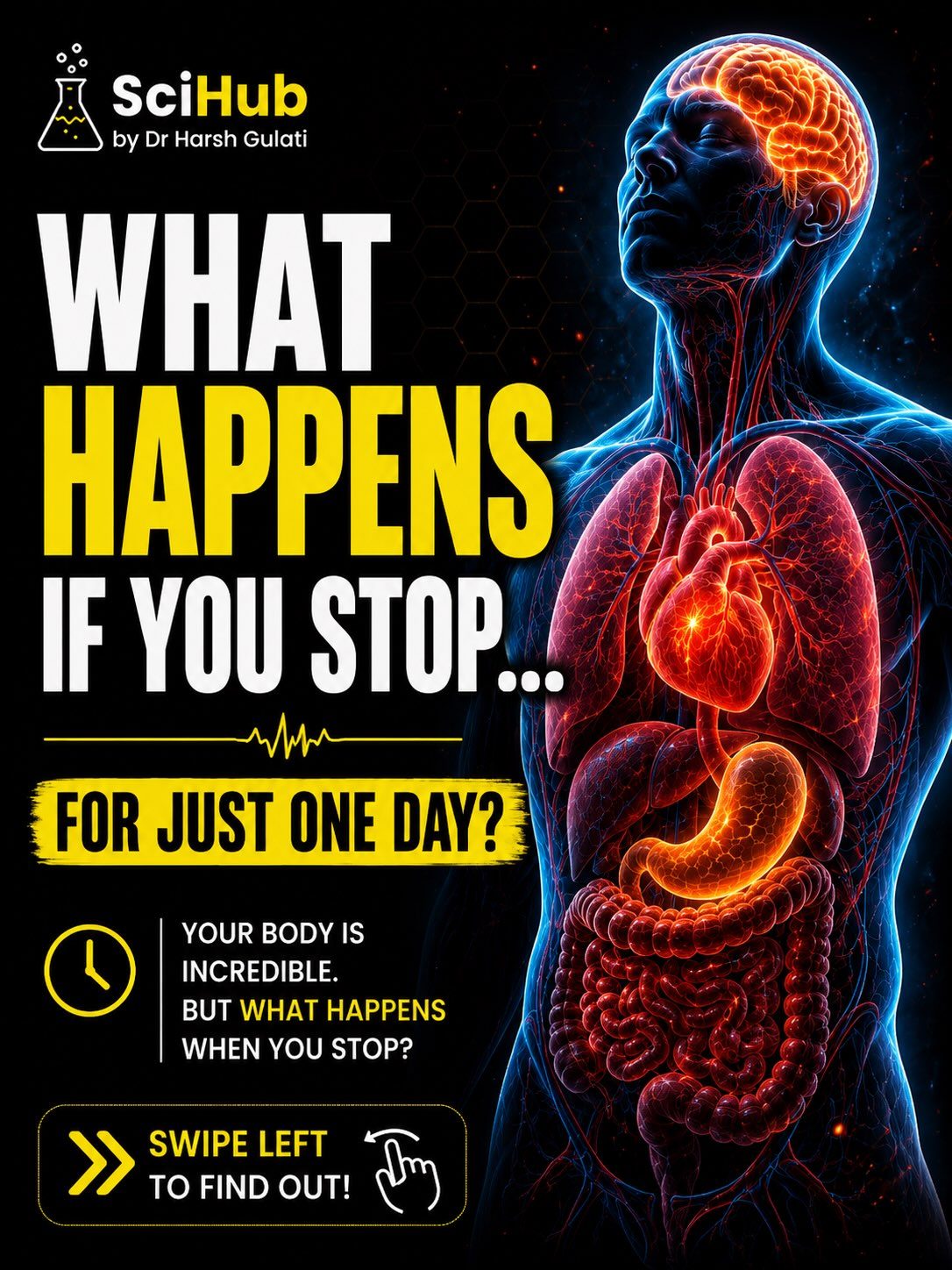
What Happens to Your Body if You Stop Essential Functions for Just One Day
Your body is an incredible machine, working tirelessly to keep you alive and functioning. It's amazing to think about how quickly things can change when you stop doing something essential, even for just a day. Understanding the consequences of halting key bodily functions can give you a new appreciation for the daily habits that keep you healthy and active.
Why This Matters
Everyday habits like drinking water, sleeping, eating, breathing, and moving are so ingrained in our lives that we often take them for granted. However, even a brief halt in these activities can have significant impacts on your body. Recognizing these effects can motivate you to prioritize these habits and take better care of your health.
The Consequences of Stopping Essential Functions
Dehydration
Water is essential for every cell in your body. When you stop drinking water, dehydration begins almost immediately. Your cells start to shrink, and your energy levels drop. Dehydration can lead to fatigue, dizziness, and even more serious health issues if prolonged.
Sleep Deprivation
Sleep is crucial for both physical and mental health. When you stop sleeping, your brain gets foggy, and your focus diminishes. Mood changes, irritability, and cognitive impairment can all result from just one day without sleep. Long-term sleep deprivation can have severe consequences, including weakened immune function and increased risk of chronic diseases.
Skipping Meals
Your body relies on a steady supply of energy from food. When you stop eating, your body begins to use stored energy. This can lead to a drop in blood sugar levels, causing fatigue, weakness, and difficulty concentrating. Over time, skipping meals can result in nutrient deficiencies and a weakened immune system.
Oxygen Deprivation
Breathing is one of the most vital functions for your body. When you stop breathing, oxygen levels drop rapidly, and brain damage can begin in just a few minutes. Oxygen is essential for every cell in your body, and without it, your organs start to fail. This is why proper breathing techniques and ensuring good air quality are so important.
Lack of Movement
Movement is essential for maintaining muscle strength and cardiovascular health. When you stop moving, blood flow slows down, and muscles begin to weaken and stiffen. This can lead to a loss of muscle mass, reduced flexibility, and an increased risk of falls and injuries. Regular physical activity is crucial for maintaining overall health and well-being.
Practical Tips
Taking care of your body means paying attention to these essential functions and making sure you're giving your body what it needs. Here are some practical tips to help you maintain a healthy lifestyle:
Stay Hydrated
Make it a habit to drink water regularly throughout the day. Keep a water bottle with you and set reminders to take sips every hour. Aim for at least 8 glasses of water daily, and adjust based on your activity level and climate.
Prioritize Sleep
Create a consistent sleep schedule and stick to it. Ensure your sleep environment is conducive to good rest—dark, quiet, and cool. Avoid screens before bedtime, as the blue light can interfere with your body's production of melatonin, the hormone that regulates sleep.
Eat Regularly
Plan your meals for the week and stick to a balanced diet. Include a variety of fruits, vegetables, lean proteins, and whole grains. Avoid skipping meals, and opt for healthy snacks if you need to fuel up between meals.
Ensure Proper Breathing
Pay attention to your breathing techniques, especially during stressful situations. Deep breathing exercises can help you relax and improve oxygen flow. Ensure you're in environments with good air quality to support healthy breathing.
Stay Active
Incorporate physical activity into your daily routine. Aim for at least 30 minutes of moderate exercise most days of the week. This could be a brisk walk, a bike ride, or a yoga session. Find activities you enjoy and make them a regular part of your routine.
Important Takeaways
Your body is an intricate system of interconnected processes that work together to keep you alive. Understanding the consequences of stopping essential functions for just one day highlights the importance of these habits. Here are some key takeaways:
- Hydration, sleep, eating, breathing, and movement are all crucial for maintaining overall health.
- Even a brief halt in these activities can have significant negative effects.
- Prioritizing these habits can help you take better care of your health and well-being.
- Small changes can make a big difference in maintaining a healthy lifestyle.
Conclusion
Your body is an amazing machine, working 24/7 to keep you alive. By understanding the consequences of stopping essential functions, you can appreciate the importance of daily habits and take proactive steps to maintain your health. Stay hydrated, prioritize sleep, eat regularly, ensure proper breathing, and stay active. These simple habits can have a profound impact on your overall well-being.
Watch the Reel
Questions readers ask
What happens if I stop eating for just one day?
Skipping meals for a day can lead to a drop in blood sugar levels, causing fatigue, headaches, and difficulty concentrating. Your body may also start breaking down muscle tissue for energy, and you might experience mood swings and irritability.
What are the effects of not drinking water for one day?
Going without water for a day can result in dehydration, with symptoms such as dry mouth, dizziness, and reduced urine output. Prolonged dehydration can lead to more serious issues like kidney problems and heat exhaustion.
How does sleep deprivation for one day impact the body?
Missing just one night of sleep can impair cognitive function, leading to decreased alertness, slowed reaction times, and difficulty with memory and decision-making. It can also negatively affect your mood and immune function.
What happens if I don't move or exercise for one day?
A single day without movement can lead to decreased muscle and joint mobility, and increased fatigue. Prolonged inactivity can exacerbate existing health issues and contribute to weight gain over time.
What are the immediate effects of stopping breathing for even a short period?
Stopping breathing, even for a brief moment, can lead to a rapid buildup of carbon dioxide and a lack of oxygen in the body. This can cause lightheadedness, dizziness, and even loss of consciousness, and should be taken very seriously should it occur.
What is the impact of not sleeping for one day on my daily habits?
After a single day without sleep, daily habits such as maintaining a healthy diet and good posture can be impacted. Your body might experience a drop in metabolism, and you may find it harder to exercise or perform everyday tasks.
Is there any way stopping essential functions for a day could be beneficial?
There are no known benefits to stopping essential bodily functions for a day. The body relies on consistent intake of water, food, and oxygen to function properly, and sleep and movement are crucial for overall well-being. If you're considering a significant change in your daily habits, consult a healthcare professional.
What are some daily habits that can improve my health?
Prioritizing daily habits such as staying hydrated, eating regularly, getting adequate sleep, engaging in regular physical activity, and maintaining good posture can significantly improve your overall health and well-being. These habits help to keep your body functioning optimally and reduce the risk of various health issues.
Related deep dives
Similar reads based on topic and creator.

Recent articles
Fresh deep dives from the latest Reels we unpacked.




Comments
Be the first to comment.