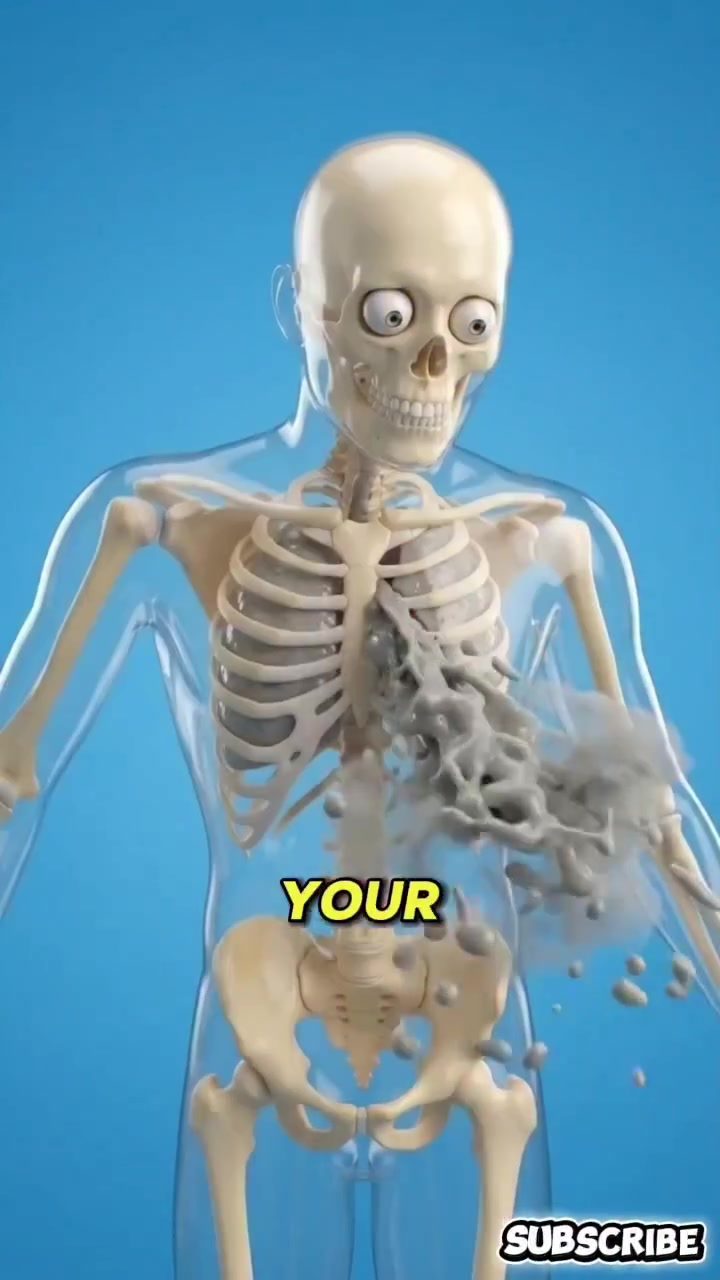
Quitting Smoking: The Transformative Journey of Your Body
Quitting smoking initiates a profound series of changes in the body. These transformations are not merely superficial; they are systemic and impact nearly every organ and function. Understanding what happens to your body as you quit smoking can provide the motivation needed to stick with your decision and see it through. The comprehensive journey involves multiple stages, each marked by significant improvements in health and well-being.
Why This Matters
Quitting smoking is one of the most impactful decisions you can make for your health. The benefits begin almost immediately and continue to accrue over time. Knowing the timeline and specifics of these transformations can help you recognize the positive changes happening within your body, reinforcing your commitment to a smoke-free life.
The Transformative Journey
Day 1: Immediate Benefits
Within the first 24 hours of quitting, your body starts to repair itself. Nicotine, a highly addictive substance, is rapidly eliminated from your system. Carbon monoxide levels, which are elevated in smokers due to inhaled smoke, drop sharply. This reduction allows oxygen levels in your blood to rise, improving circulation and overall bodily function. Your heart, which has been working harder to pump blood through nicotine-constricted vessels, begins to operate more efficiently. These immediate changes set the stage for long-term health improvements.
Day 7: Respiratory and Sensory Improvements
By the seventh day, your lungs start to clear out the mucus that has accumulated due to smoking. This process makes breathing feel slightly easier and more natural. Additionally, your senses of taste and smell begin to improve. Cravings for nicotine may still occur, but they tend to be weaker and more manageable. This week marks a significant milestone in your journey, as you start to experience tangible benefits that go beyond the initial detoxification phase.
Day 30: Enhanced Circulation
By the end of the first month, your circulation has noticeably improved. Better blood flow means that your organs receive a more consistent and healthier supply of oxygen and nutrients. This enhancement in circulation supports overall health and can reduce the risk of various cardiovascular diseases.
Month 3: Increased Lung Function and Energy
Three months into your smoke-free journey, your lung function increases significantly. This improvement is accompanied by a rise in energy levels throughout the day. Shortness of breath, a common complaint among smokers, reduces substantially. Your body is now healing faster, and you may start to feel a renewed sense of vitality and energy. This stage is crucial as it marks a clear transition from acute withdrawal symptoms to sustained health benefits.
Year 1: Major Health Shift
One year after quitting, you experience a major health shift. Your risk of heart disease drops by half, a critical milestone in reducing the most significant health risks associated with smoking. Blood vessels regain their normal function, and your heart is under less strain. This stage is marked by significant improvements in cardiovascular health, which continues to benefit you over the subsequent years.
Year 5: Long-Term Benefits
Five years after quitting, your stroke risk is significantly lower. Your lungs are far more stable, and the risk of cancer begins to decline. The deep transformations that occur in your body over these years highlight the long-term benefits of quitting smoking. At this point, you have significantly reduced the risk of many serious health issues and have set a strong foundation for a healthier future.
Practical Tips for Quitting Smoking
Quitting smoking is a challenging but achievable goal. Here are some practical tips to help you succeed:
Seek Professional Help
Consulting a healthcare provider or a smoking cessation specialist can provide you with personalized strategies and support. They can offer medications and therapies tailored to your needs, increasing your chances of success.
Utilize Support Resources
Joining support groups, either in-person or online, can provide a network of people who understand your struggles and can offer encouragement. These groups often share valuable insights and coping strategies.
Set Clear Goals
Setting clear, achievable goals can help you stay motivated. Break down your journey into smaller milestones and celebrate each one. This approach makes the process more manageable and less overwhelming.
Stay Active
Engaging in regular physical activity can help distract you from cravings and improve your overall well-being. Exercise also releases endorphins, which can elevate your mood and reduce stress.
Modify Your Environment
Avoiding situations and environments that trigger the urge to smoke is crucial. Clean your home, car, and workplace of any smoking-related paraphernalia. Surround yourself with positive influences and activities that promote a smoke-free lifestyle.
Important Takeaways
Quitting smoking is a journey that involves profound physical and mental transformations. The benefits are immediate and long-lasting, affecting nearly every aspect of your health. By understanding the timeline and specifics of these changes, you can stay motivated and committed to your decision. Remember, every step you take towards a smoke-free life is a step towards a healthier, more vibrant future.
Conclusion
The journey of quitting smoking is a transformative experience that involves multiple stages of physical and mental healing. From the immediate benefits of improved circulation and lung function to the long-term reduction in the risk of serious diseases, every step is a victory. Staying informed about these changes can provide the motivation and resilience needed to stick with your decision. Embrace the journey, and celebrate each milestone as you move towards a healthier, smoke-free life.
Watch the Reel
Questions readers ask
What are the first physical changes I can expect when I quit smoking?
Within the first 24 hours after quitting, your body will start to experience improved oxygen levels and enhanced blood circulation. This can result in increased energy levels and a noticeable improvement in your sense of smell and taste.
How soon will my lung function improve after I quit smoking?
You may start to notice improvements in your lung function within a week of quitting. Your lungs will begin to clear out mucus and other smoking-related debris, making it easier to breathe and reducing coughing and shortness of breath.
What changes can I expect in my heart health after quitting smoking?
Quitting smoking leads to a reduction in heart risk within 24 hours. This is due to the immediate improvement to blood pressure, and the carbon monoxide level in the blood decreases, allowing oxygen to reach your heart and muscles more effectively.
How long does it take for my sense of smell and taste to return to normal?
Your senses can begin to return to normal within a few days of quitting. By the end of the first week, many people report a significant improvement in their sense of smell and taste, allowing them to enjoy food and other sensory experiences more fully.
Will quitting smoking help reduce my risk of heart disease?
Yes, quitting smoking significantly reduces your risk of heart disease. Within a year, the risk of coronary heart disease is half that of someone who continues to smoke, and after three to five years the risk of stroke is reduced to that of a non-smoker.
How does quitting smoking affect my overall blood circulation?
When you quit smoking, your blood circulation improves, allowing oxygen to be delivered more efficiently to your body. This can lead to better organ function, improved healing, and an overall increase in your energy levels.
What should I expect a year after quitting smoking?
A year after quitting, your body will have undergone significant changes. Your risk of coronary heart disease will be halved compared to someone who continues smoking, and your lung function will have improved dramatically. You will also likely notice improved overall fitness and stamina.
Recent articles
Fresh deep dives from the latest Reels we unpacked.




Comments
Be the first to comment.