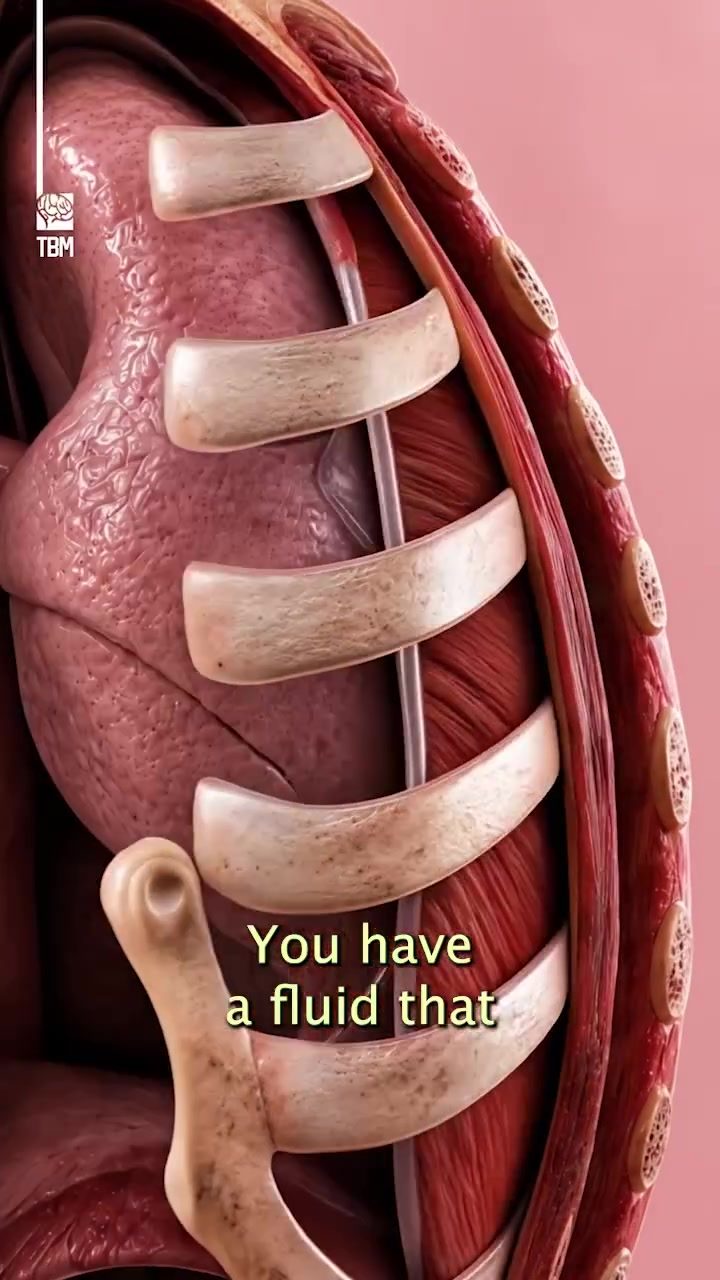
The Pleural Fluid System: Your Body's Built-In Lubrication
The pleural fluid system is an intricate and highly efficient component of the human respiratory system. This remarkable system works continuously to ensure that every breath you take is smooth and effortless. Let's delve into the details of this natural lubrication system and understand its importance and function.
Why This Matters
Breathing is a fundamental and essential function of the human body, yet many people are unaware of the intricate mechanisms that make it possible. The pleural fluid system is a critical part of this process. By providing a natural lubrication, it allows the lungs to move effortlessly within the chest cavity, protecting delicate tissues from damage and ensuring efficient respiration.
The Anatomy of the Pleural Fluid System
The pleural fluid system is composed of several key components:
The Pleura
The lungs are enclosed by two thin membranes called the pleura. These membranes consist of two layers:
- The visceral pleura: This inner layer directly covers the lungs.
- The parietal pleura: This outer layer lines the inside of the chest cavity.
Pleural Fluid
Between these two layers of pleura is a tiny space containing just a few milliliters of pleural fluid. This fluid, though small in volume, plays an essential role. It acts as a natural lubricant, allowing the pleural surfaces to glide smoothly over one another as the lungs expand and contract with each breath.
Surface Tension and Attachment
The pleural fluid's surface tension helps keep the lungs gently attached to the chest wall. This ensures that the lungs follow every movement of the rib cage, maintaining proper positioning and function during respiration.
Function and Importance
Smooth Movement
The pleural fluid's primary role is to reduce friction between the pleural surfaces. This lubrication allows the lungs to move effortlessly, making each breath smooth and virtually effortless. Without this fluid, every breath would create friction that could damage the delicate lung tissues, making even the simple act of breathing much more difficult and potentially painful.
Protection and Stability
In addition to lubrication, the pleural fluid helps keep the lungs attached to the chest wall. This attachment ensures that the lungs follow the movements of the rib cage, providing stability and protection during breathing. It also helps maintain the proper position of the lungs within the chest cavity, preventing them from collapsing or shifting out of place.
Balancing the System
The pleural fluid system operates by maintaining a delicate balance of fluid between the pleural membranes. This balance is crucial for the system to function correctly. Any disruption to this balance can lead to various respiratory issues.
Potential Issues and Symptoms
When the delicate balance of the pleural fluid system is disrupted, several problems can arise:
Pleural Effusion
Pleural effusion is the buildup of excess fluid around the lungs. This condition can compress the lungs, leading to symptoms such as:
- Shortness of breath
- Chest pain
- Coughing
Empyema
Infection can lead to empyema, where pus accumulates in the pleural space. This condition can cause severe respiratory distress and other complications.
Pleurisy
Inflammation of the pleura, known as pleurisy, causes sharp pain with every breath. This condition can be extremely uncomfortable and may require medical intervention to manage the symptoms and address the underlying cause.
Practical Tips
Understanding the pleural fluid system can provide valuable insights into maintaining respiratory health. Here are some practical tips:
Maintain a Healthy Lifestyle
A healthy lifestyle can support overall respiratory health. This includes:
- Regular exercise
- A balanced diet
- Adequate hydration
Avoid Irritants
Avoiding irritants and pollutants can help maintain the health of the pleural fluid system. This includes:
- Quitting smoking
- Avoiding exposure to harmful chemicals and pollutants
- Wearing a mask in dusty or polluted environments
Regular Check-Ups
Regular medical check-ups can help detect any issues with the pleural fluid system early. This includes:
- Annual physical examinations
- Pulmonary function tests if you have a history of respiratory issues
Important Takeaways
The pleural fluid system is a vital component of the human respiratory system. It provides natural lubrication, allowing the lungs to move effortlessly and protecting delicate tissues from damage. Maintaining the delicate balance of this system is crucial for efficient and pain-free breathing.
Key Points
- The pleural fluid system consists of two pleura membranes and a thin layer of pleural fluid.
- This system ensures smooth and effortless movement of the lungs within the chest cavity.
- Disruption of the pleural fluid balance can lead to various respiratory issues such as pleural effusion, empyema, and pleurisy.
- Maintaining a healthy lifestyle, avoiding irritants, and regular check-ups can support the health of the pleural fluid system.
Conclusion
The pleural fluid system is a remarkable and essential part of the human respiratory system. By providing natural lubrication, it ensures that every breath is smooth and effortless, protecting the delicate lung tissues from damage. Understanding and maintaining the health of this system is crucial for optimal respiratory function and overall well-being.
Watch the Reel
Questions readers ask
What is the pleural fluid system and why is it important?
The pleural fluid system is a natural lubrication mechanism in the body that facilitates smooth, frictionless movement of the lungs within the chest cavity. It is important because it enables effortless breathing, protects delicate lung tissues, and ensures efficient respiration.
How does the pleural fluid system help lungs move effortlessly?
The pleural fluid system reduces friction between the lung membranes by acting as a natural lubricant. This allows the lungs to glide smoothly and effortlessly within the chest cavity during the process of breathing.
What are the benefits of pleural fluid for lung health?
Pleural fluid benefits lung health by protecting the delicate tissues of the lungs. It also ensures that the lungs can move freely, which is essential for efficient respiration and breathing easily.
What is the role of pleural fluid in the respiratory system?
The pleural fluid system plays a crucial role in the respiratory system. It ensures that the lungs can move without restriction, which is vital for effortless lung function and overall breathing efficiency.
What is the pleura lung layer and what role does it play?
The pleura is a thin membrane that surrounds the lungs and lines the chest cavity. The pleural fluid system works within this membrane, providing the necessary lubrication to facilitate the smooth and effortless movement of the lungs during respiration.
How does the pleural fluid system facilitate efficient respiration?
The pleural fluid system facilitates efficient respiration by minimizing friction between lung membranes. This allows the lungs to move freely and effortlessly, which is essential for smooth, unobstructed breathing and optimal oxygen exchange.
Related deep dives
Similar reads based on topic and creator.


Recent articles
Fresh deep dives from the latest Reels we unpacked.




Comments
Be the first to comment.