Body Insecurities
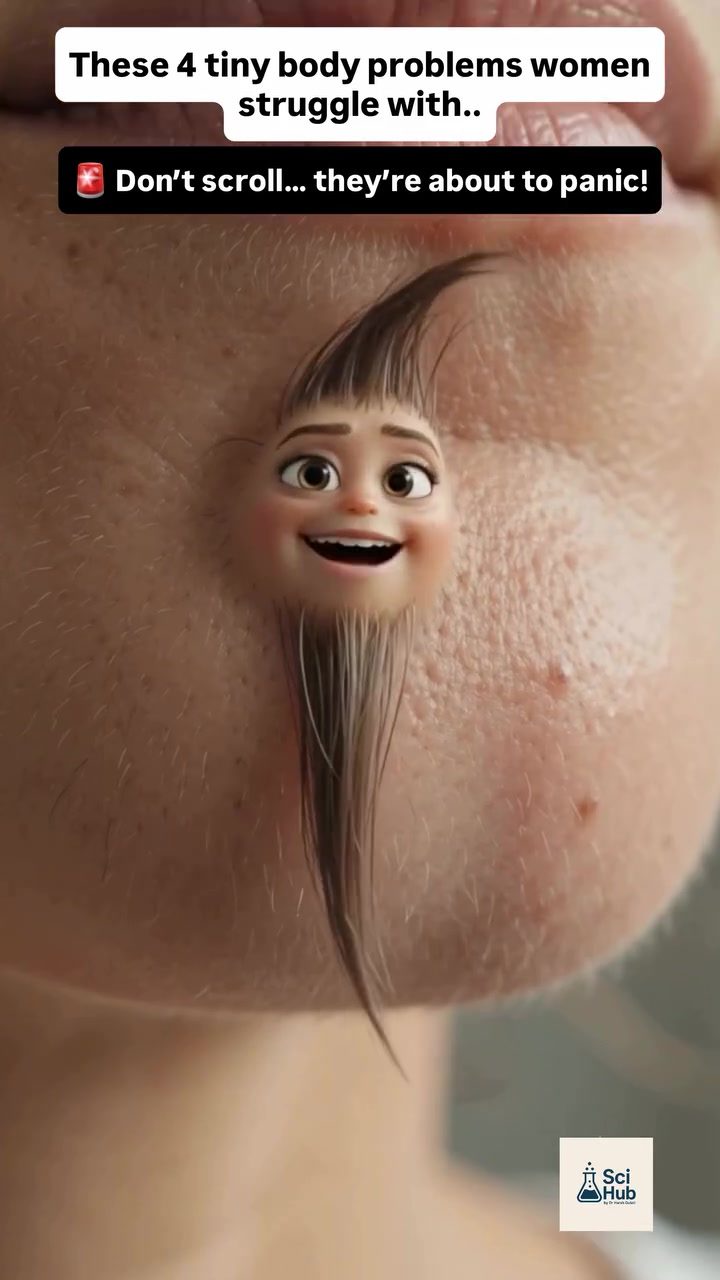
Body insecurities are a universal experience, affecting people of all ages and backgrounds. These insecurities often revolve around common skin concerns that can be both frustrating and embarrassing. From stubborn chin hairs to skin tags, cracked heels, and dark underarm patches, these issues can feel like persistent problems that are difficult to solve. But what if these body concerns could actually talk? What would they say?
Why This Matters
Body insecurities can have a significant impact on daily life, affecting self-esteem, confidence, and overall well-being. Understanding and addressing these concerns can lead to improved skin health and a better quality of life. By imagining what these everyday body concerns might say if they had a voice, we can gain a new perspective on these issues and potentially find more effective ways to manage them.
The Four Common Body Insecurities
Stubborn Chin Hair
Chin hair can be a particularly frustrating issue for many people. Despite efforts to remove it, it often grows back quickly. In the anthropomorphic animation, the chin hair is depicted as a small, persistent creature that continues to return, no matter how many times it is plucked or shaved. Its voice is used to highlight the daily struggle of dealing with this common issue.
Skin Tag
Skin tags are small, benign growths that often appear in areas where skin rubs against skin, such as the neck, armpits, or eyelids. They can be annoying and unsightly, but they are generally harmless. In the animation, the skin tag is depicted as a small, comfortable creature that has found a cozy home on the body. It expresses its preference for staying in one place and resisting any attempts to remove it.
Cracked Heels
Cracked heels can be painful and unsightly, and they can also be difficult to treat. The animation portrays the cracked heel as a small, terrified creature that is panicked by everyday activities such as walking or standing. It expresses fear and discomfort at the thought of being treated with common remedies like turmeric paste or apple cider vinegar, emphasizing the sensitivity and discomfort associated with this issue.
Dark Underarm Patch
Dark underarm patches can be a source of embarrassment and discomfort, especially in social situations. The animation depicts the dark underarm patch as a small, shy creature that is constantly aware of its surroundings and the potential for detection. It expresses concern and fear at being treated with common remedies and hygiene practices, highlighting the delicate nature of underarm skin.
Practical Tips
Chin Hair
- Regular Trimming: Use a small pair of scissors to trim the hair rather than plucking it, which can cause irritation and inflammation.
- Hormonal Treatments: Consult a dermatologist about hormonal treatments or topical creams that can slow hair growth.
- Electrolysis: Consider electrolysis or laser hair removal for a more long-term solution.
Skin Tag
- Leave It Alone: Most skin tags are harmless and can be left alone. Avoid picking or pulling at them.
- Consult a Dermatologist: If a skin tag becomes bothersome or changes in appearance, consult a dermatologist for removal options.
- Home Remedies: Be cautious with home remedies, as they may not be effective and could cause irritation.
Cracked Heels
- Moisturize: Use a good quality foot cream or moisturizer to keep the skin hydrated.
- Exfoliate: Regularly exfoliate the heels to remove dead skin cells.
- Foot Soak: Soak your feet in warm water with Epsom salts or apple cider vinegar to soften the skin.
Dark Underarm Patch
- Regular Exfoliation: Exfoliate the underarm area regularly to remove dead skin cells and prevent darkening.
- Hydrate: Keep the area hydrated with a good quality moisturizer.
- Avoid Irritants: Avoid using harsh soaps or deodorants that can irritate the skin.
Important Takeaways
Body insecurities can be frustrating and embarrassing, but they are also a normal part of life. By addressing these concerns with a mix of practical solutions and a healthy dose of humor, you can manage them more effectively. Remember that everyone experiences body insecurities, and it's important to approach them with self-compassion and a sense of humor.
Conclusion
Body insecurities are a common part of life, and understanding them can help in managing them better. From chin hair to skin tags, cracked heels, and dark underarm patches, each issue has its unique challenges. By imagining what these everyday body concerns might say if they had a voice, we can gain a new perspective on these issues and find more effective ways to manage them. Addressing these concerns with practical solutions and a healthy dose of humor can lead to improved skin health and a better quality of life.
Watch the Reel
Questions readers ask
How can personifying skin concerns help in managing body insecurities?
Personifying skin concerns, such as imaging the voice of a stubborn chin hair, allows you to gain a different perspective on these issues. This approach can help you understand the root causes of your body insecurities and develop a more empathetic, effective approach to managing these concerns. By humanizing these issues, you may become more motivated to tackle these concerns and improve your overall body image.
What are some common skin concerns that people often struggle with?
Common skin concerns that people often struggle with include chin hair, skin tags, cracked heels, and dark underarm patches. These issues can be frustrating and embarrassing, often impacting daily life and self-esteem. Understanding these concerns is the first step in addressing and managing them.
How can I incorporate body concerns into my daily skin care routine?
To incorporate body concerns into your daily skin care routine, first identify the specific issues you're dealing with, such as cracked heels or chin hair. Next, research targeted treatments, like exfoliation for cracked heels or topical creams for underarm patches. Make these treatments a regular part of your routine, and consider consulting a dermatologist for personalized advice.
Why is it important to address body insecurities?
Addressing body insecurities is important because they can significantly impact your daily life, affecting your self-esteem, confidence, and overall well-being. By tackling these issues, you can improve your skin health and enhance your quality of life. Addressing body insecurities can also help you develop a more positive body image and better manage chronic skin problems.
What are some long-term strategies for managing chronic skin problems?
Long-term strategies for managing chronic skin problems include maintaining a consistent skin care routine, staying hydrated, and eating a balanced diet. Regular exercise can also improve skin health. Additionally, consider seeking professional help from a dermatologist for personalized treatment plans. Remember, managing chronic skin problems is an ongoing process that requires patience and persistence.
How can animating body concerns help in understanding body image struggles?
Animating body concerns, such as creating a character for a persistent skin tag, can help you visualize and understand the physical, and emotional components of your body image struggles. This creative approach can provide a unique perspective and encourage you to address these issues more effectively. By giving voice to your body concerns, you may gain insights into their impact on your daily life and overall well-being.
What should I do if I'm struggling with multiple body concerns at once?
If you're struggling with multiple body concerns at once, it's essential to prioritize them based on their impact on your daily life. Start by addressing the most bothersome issue, and gradually incorporate treatments for other concerns into your routine. Consider seeking professional advice from a dermatologist for personalized solutions. Remember, tackling multiple body concerns requires a systematic approach and patience.
Related deep dives
Similar reads based on topic and creator.

Recent articles
Fresh deep dives from the latest Reels we unpacked.




Comments
Be the first to comment.