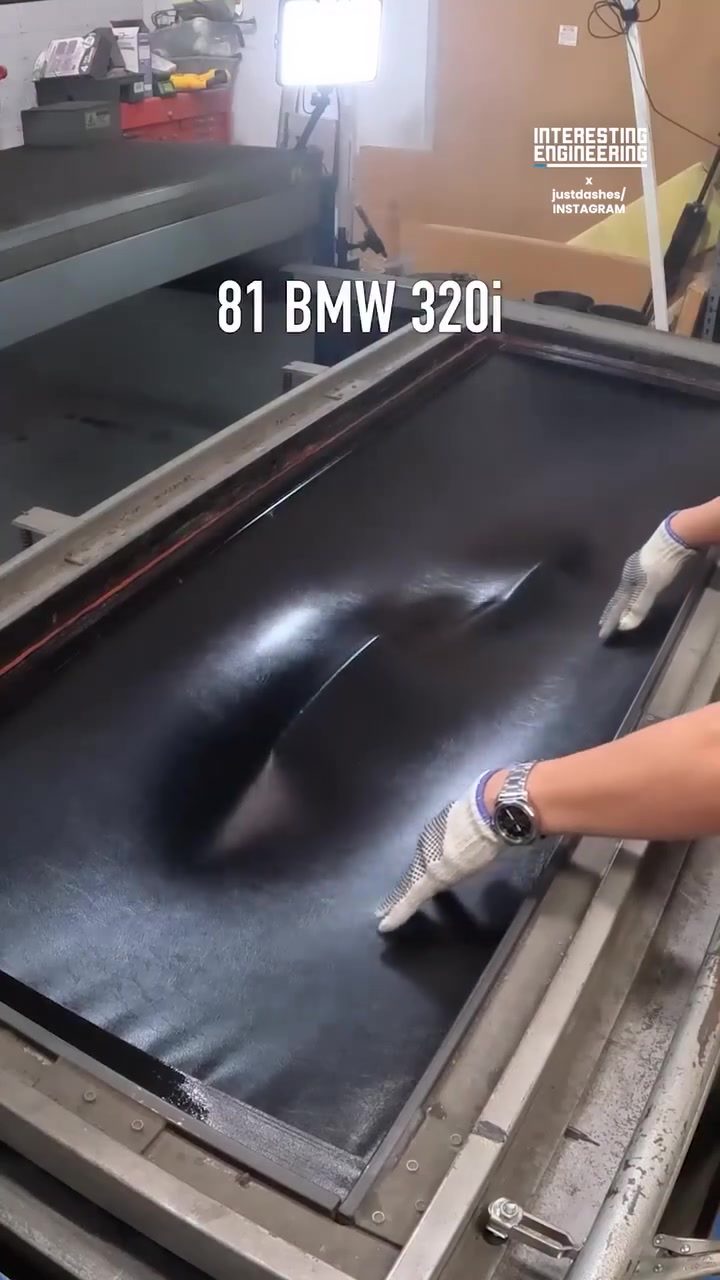
Car Interior Restoration and Vacuum-Formed Dash Restoration
Car interior restoration is a crucial aspect of maintaining a vehicle's value and aesthetics. Among various techniques, vacuum-formed dash restoration offers a unique approach, particularly for classic cars like the 1981 BMW 320i E21. This method involves rebuilding the dashboard structure, contours, and texture, ultimately achieving an OEM (Original Equipment Manufacturer) correct appearance with enhanced long-term durability.
Why This Matters
The interior of a car, especially the dashboard, is subject to significant wear and tear over time. Sunlight, temperature changes, and daily use can degrade the materials, leading to cracks, discoloration, and an overall worn-out appearance. For classic cars, maintaining or restoring the interior to its original condition is essential for both preservation and resale value. Vacuum-formed dash restoration is one of the most effective methods for achieving this goal, as it ensures that the dashboard not only looks new but also retains its structural integrity.
Main Discussion
Understanding Vacuum-Formed Dash Restoration
Vacuum-formed dash restoration is a process that involves using heat and a vacuum to mold a new dashboard panel that fits perfectly over the existing structure. This method is particularly useful for restoring the dashboards of classic cars, where original parts may no longer be available. The process starts with creating a mold of the original dashboard, which is then used to form a new panel.
Advantages of Vacuum-Formed Dash Restoration
- Precision Fit: The vacuum-forming process ensures that the new panel fits perfectly over the existing structure, maintaining the original contours and design.
- Durability: The materials used in vacuum-formed dash restoration are designed to last, providing enhanced long-term durability compared to traditional restoration methods.
- Aesthetic Appeal: The new panel can be textured to match the original factory finish, giving the dashboard an OEM correct appearance.
Process Overview
- Mold Creation: The first step is to create a mold of the original dashboard. This involves using the existing dashboard as a base and creating a negative impression.
- Material Selection: The next step is to select the appropriate material for the new panel. Common materials include ABS (Acrylonitrile Butadiene Styrene) and polycarbonate, which are known for their durability and aesthetic qualities.
- Heating and Molding: The selected material is heated and then vacuum-formed over the mold. The vacuum ensures that the material conforms exactly to the shape of the mold.
- Finishing: Once the new panel is formed, it is trimmed and finished to match the original dashboard. This may include adding texture, color, and any necessary hardware.
Cleaning and Preparing the Interior
While the vacuum-formed dash restoration focuses on the dashboard, the overall interior restoration process involves several other steps. The trunk area, for example, is a critical part of the interior that often requires thorough cleaning and restoration.
Cleaning Solutions and Techniques
- Cleaning Solutions: Using the right cleaning solutions is crucial for effectively removing dirt and grime. Specialized automotive cleaners are designed to break down tough stains and residues without damaging the interior materials.
- Gloves and Tools: Wearing gloves and using appropriate tools, such as microfiber cloths and brushes, helps in cleaning the interior without causing scratches or damage.
- Step-by-Step Cleaning: Start by removing any loose debris and vacuuming the area. Then, apply the cleaning solution and use a glove or cloth to wipe down the surfaces. Rinse with a damp cloth and dry thoroughly to prevent any water spots.
Practical Tips
For DIY Enthusiasts
If you're considering restoring your car's interior, here are some practical tips to get you started:
- Assess the Condition: Before beginning, thoroughly inspect the interior to understand the extent of the damage. This will help you plan your restoration process more effectively.
- Gather the Right Tools: Invest in good-quality cleaning solutions, gloves, and other necessary tools. High-quality products will make the process easier and more effective.
- Follow a Systematic Approach: Start with the simplest tasks, such as cleaning and vacuuming, and gradually move to more complex repairs like vacuum-formed dash restoration.
- Document the Process: Taking photos and notes throughout the restoration process can be helpful for future reference and for sharing your work with others.
For Professionals
For those in the automotive restoration business, offering vacuum-formed dash restoration can be a valuable service. Here are some tips to enhance your professional approach:
- Train Your Team: Ensure that your team is well-trained in vacuum-forming techniques and material selection. This will help deliver consistent, high-quality results.
- Invest in Quality Equipment: High-quality vacuum-forming machines and molds are essential for achieving precision and durability in your restorations.
- Stay Updated: Keep up with the latest trends and technologies in automotive restoration. This will help you offer innovative solutions to your clients.
- Client Communication: Clearly communicate the process, benefits, and expected outcomes to your clients. This builds trust and sets realistic expectations.
Important Takeaways
Car interior restoration, particularly using vacuum-formed dash restoration, is a specialized but highly effective method for maintaining and enhancing the value of your vehicle. This process not only improves the appearance but also ensures long-term durability. Whether you are a DIY enthusiast or a professional, understanding and implementing these techniques can significantly benefit your car restoration projects.
Conclusion
Restoring a car's interior, especially the dashboard, is a meticulous process that requires precision and the right tools. Vacuum-formed dash restoration offers a modern, durable solution for achieving an OEM correct appearance. By following the steps and tips outlined, you can effectively restore your car's interior, ensuring it looks and feels brand new.
Watch the Reel
Questions readers ask
What is vacuum-formed dash restoration and why is it suitable for a 1981 BMW 320i?
Vacuum-formed dash restoration is a technique that uses heat and vacuum pressure to shape a plastic sheet over a mold, creating a precise and durable replacement dash. It is particularly suitable for a 1981 BMW 320i because it ensures an OEM correct fit for the unique contours and design of the classic car's dashboard, enhancing both longevity and appearance.
What are the benefits of using vacuum-formed parts in car interior restoration?
Vacuum-formed parts offer several benefits, including a perfect fit to the original design, enhanced durability, and improved resistance to wear and tear. This method allows for the restoration of classic car interiors, like the 1981 BMW 320i, while maintaining their authenticity.
Can I perform vacuum-formed dash restoration at home, or is it a job for professionals?
While it is possible to perform vacuum-formed dash restoration at home with the right equipment, including a vacuum forming machine, it is a complex process that requires precision and skill. Many enthusiasts choose to work with professionals to ensure the best results, especially for classic cars like the 1981 BMW 320i.
What are the key steps in the vacuum-formed dash restoration process?
The process involves several key steps, including creating a detailed mold of the original dash, heating a plastic sheet, vacuum forming the sheet over the mold, trimming and finishing the formed part, and finally installing it in the vehicle. Each step requires careful attention to detail to ensure an accurate and durable result.
How does vacuum-formed dash restoration compare to other methods of dash repair or replacement?
Vacuum-formed dash restoration stands out due to its precision and durability. Unlike some repair methods that may involve patching or using non-original materials, vacuum forming ensures a perfect fit and an authentic appearance, maintaining the original design of the 1981 BMW 320i E21.
What are some tips to maintain the restored dash of a 1981 BMW 320i after the restoration process?
To maintain the restored dash, it's important to protect it from direct sunlight, use suitable cleaning products, and avoid harsh chemicals. Regularly cleaning and conditioning the dash can help preserve its appearance and longevity, prolonging the life of the restoration.
Is vacuum forming only suitable for dashboards, or can it be used for other car interior parts as well?
Vacuum forming can be used for a variety of car interior parts beyond dashboards, including door panels, center consoles, and other molded plastic components. The process is versatile, making it a valuable method for restoring and enhancing various aspects of a car's interior.
Related deep dives
Similar reads based on topic and creator.


Recent articles
Fresh deep dives from the latest Reels we unpacked.




Comments
Be the first to comment.