Blueberries: Fresh or Frozen, a Nutritional Powerhouse
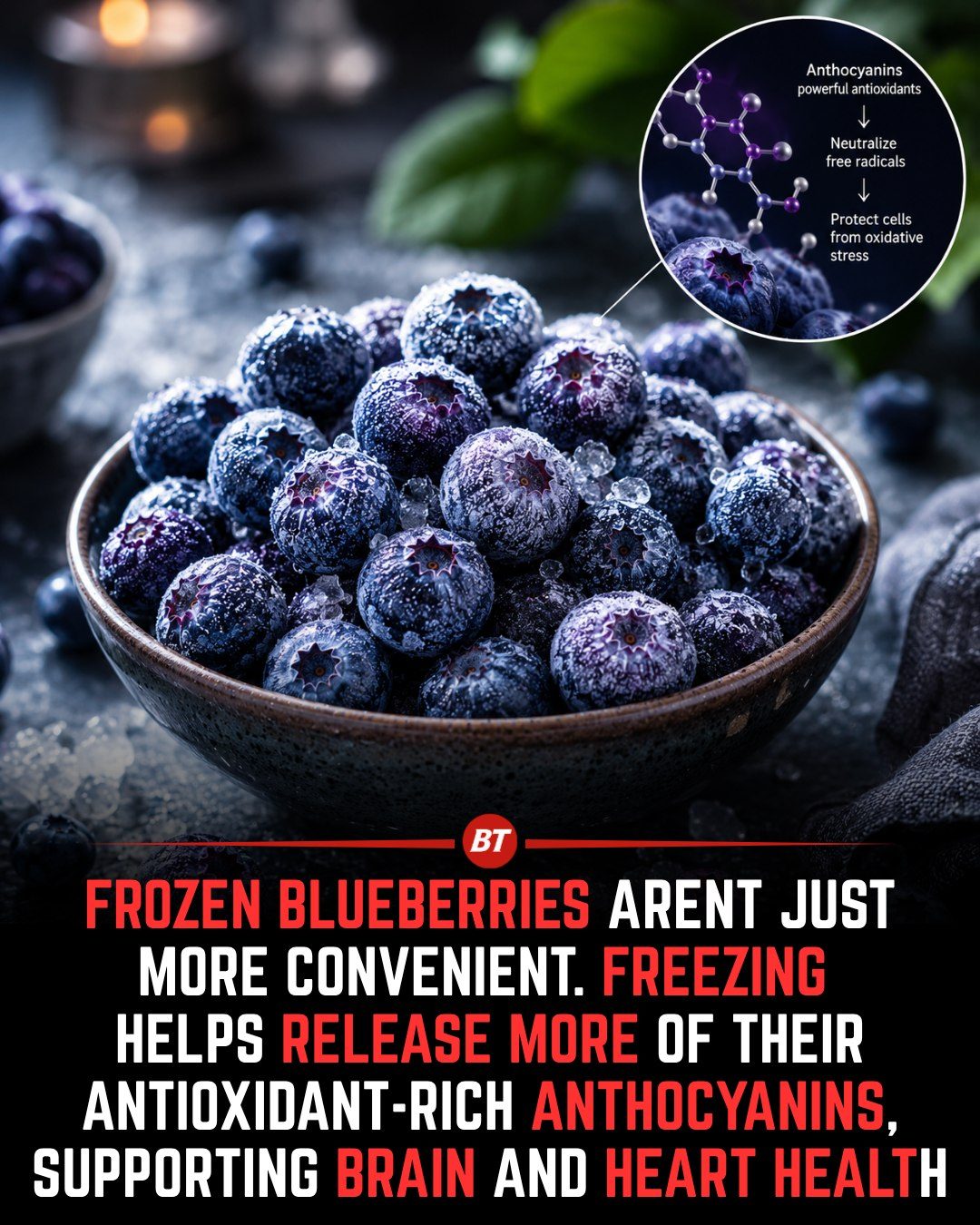
When it comes to antioxidants, blueberries are a standout. These small, vibrant berries are packed with anthocyanins, the deep blue-purple pigments that act as powerful antioxidants. Let's delve into what makes blueberries so special and why you should consider both fresh and frozen varieties in your diet.
Context / Why This Matters
Blueberries are often celebrated for their nutritional benefits, and for good reason. They are rich in vitamins, minerals, and phytochemicals that support overall health. Anthocyanins, in particular, have been extensively studied for their potential to support brain function, heart health, and healthy aging. These compounds help protect cells from oxidative stress, a process linked to various health issues.
Main Discussion
The Power of Anthocyanins
Anthocyanins are not just a colorful addition to blueberries; they are potent antioxidants. These compounds are responsible for the deep blue-purple hue of blueberries and are known for their health-promoting properties. Studies suggest that diets rich in anthocyanin-containing fruits are associated with better cognitive performance, healthier blood vessels, and reduced inflammation. This makes blueberries a valuable addition to any diet focused on well-being.
Fresh vs. Frozen Blueberries
Both fresh and frozen blueberries offer a plethora of nutritional benefits. Fresh blueberries are often favored for their convenience and immediate availability. They are typically picked at peak ripeness and can be enjoyed right away. However, frozen blueberries have unique advantages that make them equally nutritious and sometimes even more beneficial.
The Benefits of Frozen Blueberries
The freezing process can actually enhance the nutritional value of blueberries. Blueberries are usually frozen shortly after harvest, which means they retain most of their vitamins and phytochemicals. Additionally, the freezing process breaks down some of the fruit's cell structures, making juices and certain antioxidant compounds more readily released when the berries are thawed or blended. This means that frozen blueberries can potentially offer higher levels of antioxidants compared to their fresh counterparts.
Nutritional Retention and Antioxidant Release
Research has shown that blueberries retain their nutritional value well when frozen. The act of freezing can even increase the availability of certain antioxidants. When blueberries are thawed or blended, the breakdown of cell structures allows for a more efficient release of anthocyanins and other beneficial compounds. This makes frozen blueberries a convenient and effective way to boost antioxidant intake.
Practical Tips
How to Incorporate Blueberries into Your Diet
Whether you prefer fresh or frozen blueberries, there are numerous ways to incorporate them into your daily meals:
- Smoothies: Add a handful of frozen blueberries to your morning smoothie for a burst of flavor and a nutritional boost.
- Oatmeal: Toss a few fresh or frozen blueberries into your oatmeal for added sweetness and texture.
- Yogurt: Mix blueberries into Greek yogurt for a healthy and satisfying snack.
- Overnight Oats: Combine blueberries with overnight oats for a nutritious breakfast option.
- Baking: Use frozen blueberries in muffins, pancakes, or other baked goods for a fruity twist.
Important Takeaways
Blueberries, whether fresh or frozen, are a nutritional powerhouse. Their rich content of anthocyanins makes them a valuable addition to any diet focused on health and well-being. Frozen blueberries, in particular, offer unique advantages due to their enhanced antioxidant release, making them a convenient and effective way to boost your nutrient intake.
Conclusion
Don't overlook the freezer aisle when it comes to blueberries. Both fresh and frozen varieties offer a wealth of health benefits. By incorporating blueberries into your diet, you can support brain health, heart health, and overall well-being. Keep a bag of unsweetened frozen blueberries in your freezer and enjoy the convenience and nutritional benefits they provide year-round.
Watch the Reel
Questions readers ask
What are the key antioxidants found in blueberries?
The key antioxidants in blueberries are known as anthocyanins. These are the compounds that give blueberries their characteristic blue-purple color and act as powerful antioxidants, supporting various aspects of health, including brain function and heart health.
How does freezing affect the release of antioxidants in blueberries?
Freezing blueberries can actually enhance the release of beneficial compounds, including antioxidants. Researchers have found that the freezing process can make the anthocyanins in blueberries more available for absorption, potentially increasing their health benefits.
What are the benefits of blueberries for brain health?
Anthocyanins in blueberries support brain health by protecting cells from oxidative stress, which can help improve cognitive function and may reduce the risk of age-related cognitive decline. Regular consumption of blueberries has been linked to better memory and overall brain function.
Why are both fresh and frozen blueberries good for you?
Both fresh and frozen blueberries offer significant health benefits. Fresh blueberries provide immediate nutritional support, while frozen blueberries can sometimes offer enhanced antioxidant release due to the freezing process. Choosing between the two depends on your specific needs and preferences.
What is the best way to freeze blueberries at home?
To freeze blueberries at home, rinse them gently and pat them dry. Spread the berries in a single layer on a baking sheet and place it in the freezer. Once frozen, transfer the blueberries to an airtight container or freezer bag, removing as much air as possible before sealing. This method helps prevent the berries from clumping together and maintains their quality.
How do blueberries support heart health?
Blueberries support heart health by reducing oxidative stress and inflammation, which are key factors in cardiovascular disease. The antioxidants in blueberries help protect the heart by improving blood vessel function and reducing the risk of heart disease and stroke.
Can eating blueberries help promote healthy aging?
Yes, blueberries can promote healthy aging. The antioxidants in blueberries, particularly anthocyanins, help combat the effects of aging by protecting cells from damage and reducing inflammation. Regular consumption of blueberries has been associated with improved cognitive function and a lower risk of age-related diseases.
Related deep dives
Similar reads based on topic and creator.




Recent articles
Fresh deep dives from the latest Reels we unpacked.




Comments
Be the first to comment.