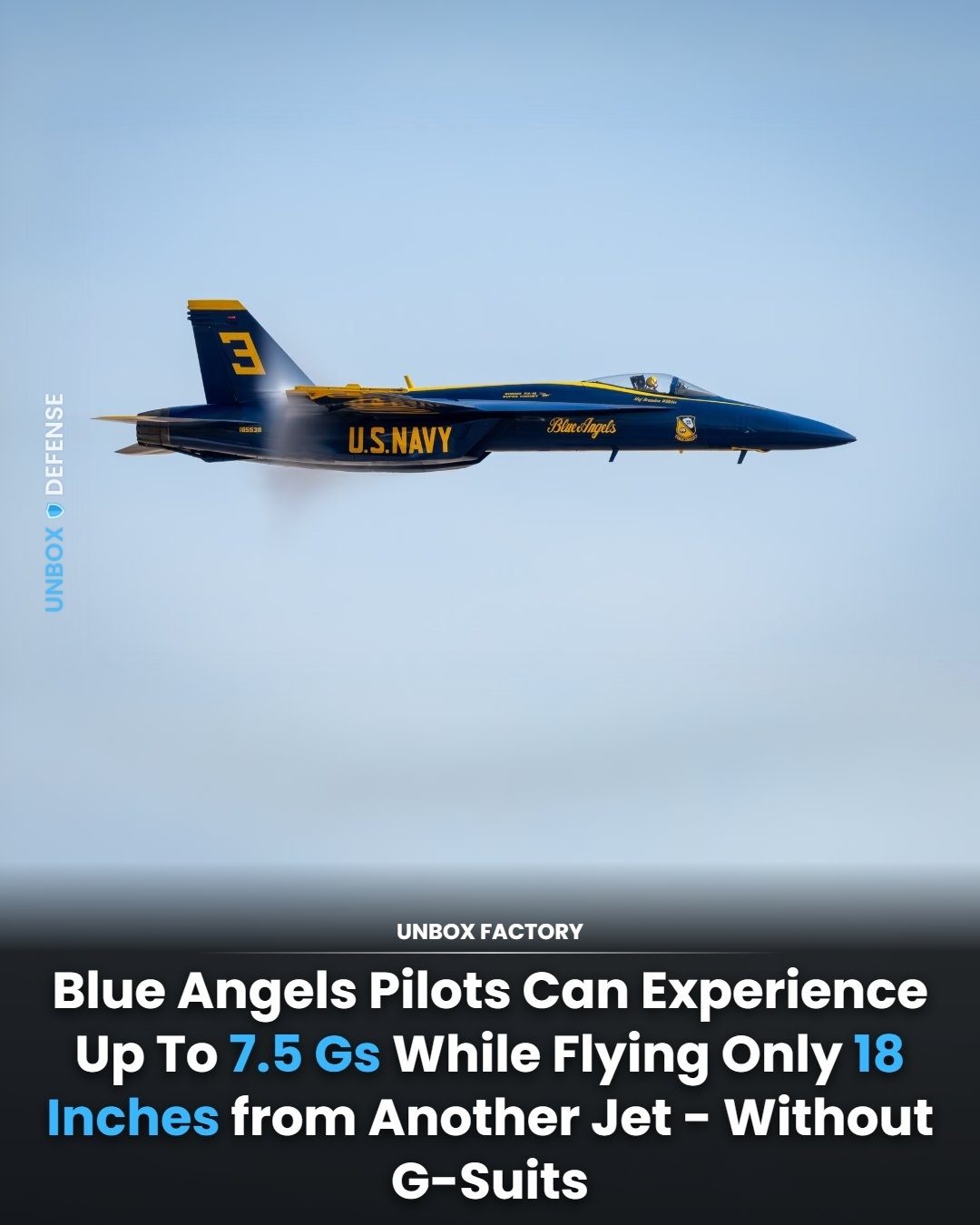
Blue Angels Flight Demonstration
The U.S. Navy's Blue Angels are renowned for their breathtaking aerial displays, showcasing the pinnacle of military aviation skills. Their performances involve precision aerobatics with aircraft flying in close proximity, endurance under extreme gravitational forces, and meticulous control of high-performance military jets. Pilots endure up to 7.5 times Earth's gravity (7.5 Gs) and fly their planes within 18 inches (46 cm) of each other, all without the aid of G-suits. This level of skill and precision exemplifies the professionalism and dedication of the Blue Angels team.
Why This Matters
The Blue Angels' demonstrations are not just about entertainment; they serve multiple critical functions. These performances showcase the capabilities of the U.S. Navy and the aviation industry, inspiring future generations to pursue careers in aviation and military service. Additionally, they serve as a recruitment tool, attracting potential pilots and support personnel with their high level of skill and precision. The Blue Angels also participate in community outreach programs, fostering a sense of national pride and appreciation for military service.
Main Discussion
The Blue Angels and the F/A-18 Super Hornet
The Blue Angels primarily fly the Boeing F/A-18 Super Hornet, a versatile and high-performance military jet designed for a wide range of missions. The Super Hornet is equipped with advanced avionics, powerful engines, and a robust airframe, making it suitable for the demanding maneuvers performed by the Blue Angels.
The F/A-18 Super Hornet is not just a high-performance aircraft; it is also a testament to engineering and aviation technology. Pilots rely on the jet's advanced systems to execute intricate maneuvers, including loops, rolls, and high-speed passes. The jet's versatility allows the Blue Angels to perform a variety of demonstrations, from solo flights to complex formations, showcasing both individual skill and teamwork.
Enduring High-G Forces
Blue Angels pilots experience extreme gravitational forces during their performances. During high-G maneuvers, blood can be pulled away from the brain, leading to a loss of consciousness if not managed properly. Unlike many modern fighter pilots, Blue Angels pilots do not wear G-suits. Instead, they rely on intensive physical conditioning and specialized breathing techniques to stay conscious and in control of their aircraft.
The physical demands on Blue Angels pilots are immense. They undergo rigorous training and physical conditioning to develop the necessary strength and endurance to withstand these forces. This training includes strengthening the muscles that support blood flow to the brain, learning to perform controlled breathing to manage blood pressure, and developing mental resilience to handle the physical and psychological stress of high-G maneuvers.
Precision Flying
Precision flying is a hallmark of the Blue Angels' performances. Pilots often fly within 18 inches (46 cm) of each other, a feat that requires exceptional skill, coordination, and trust among team members. This level of precision is achieved through extensive practice and a deep understanding of each other's flying styles.
The team practices constantly to maintain this level of precision. They rehearse their routines until every movement is synchronized and every maneuver is executed flawlessly. This dedication to perfection is evident in their performances, which often leave audiences in awe of the pilots' ability to fly so close to each other without any incidents.
The Role of Physical Conditioning
The intense physical demands placed on Blue Angels pilots necessitate a high level of physical conditioning. Pilots undergo rigorous training programs that focus on building the necessary strength and endurance to withstand the physical stresses of high-G maneuvers and precision flying.
The training includes a combination of aerobic and strength exercises designed to develop the specific muscle groups required for effective G-force management. Pilots also undergo specialized breathing techniques to manage blood pressure and maintain consciousness during high-G maneuvers. This combination of physical conditioning and mental discipline allows the Blue Angels to perform their demanding routines with precision and grace.
Specialized Breathing Techniques
Specialized breathing techniques are a critical component of the Blue Angels' preparation. These techniques help pilots manage blood pressure and prevent a loss of consciousness during high-G maneuvers. By controlling their breathing, pilots can regulate the flow of blood to their brains, ensuring they remain alert and in control of their aircraft.
The techniques involve a combination of slow, deep breaths and rapid, shallow breaths, depending on the situation. Pilots are trained to recognize the signs of blood flow restriction and to adjust their breathing patterns accordingly. This level of control over their physiological responses allows Blue Angels pilots to perform their demanding routines with confidence and precision.
Practical Tips
Pilots aspiring to reach the same level of skill and precision as the Blue Angels may benefit from the following advice:
-
Invest in Quality Conditioning: Engage in a rigorous fitness regimen that includes both aerobic and strength training. Pay particular attention to exercises that strengthen the muscles in the lower body and core, as these are critical for managing G-forces. Exercises like squats, lunges, and planks can help develop the necessary strength and endurance.
-
Develop Breathing Techniques: Practice specialized breathing techniques to manage blood pressure and prevent a loss of consciousness during high-G maneuvers. Techniques such as slow, deep breaths and rapid, shallow breaths can help regulate blood flow to the brain and maintain consciousness.
-
Consistent Practice and Precision: Rehearse your routines constantly to maintain the level of precision required for close formation flying. Precision flying requires extensive practice and a deep understanding of each other's flying styles. Consistent practice and attention to detail will help you develop the necessary skill and coordination.
Important Takeaways
The Blue Angels' flight demonstrations are a testament to the skill, precision, and dedication of the U.S. Navy's aviation team. Their performances showcase the capabilities of the Boeing F/A-18 Super Hornet and the exceptional physical and mental conditioning required to endure the demands of high-G maneuvers and precision flying. The Blue Angels' ability to perform such demanding routines without the aid of G-suits is a result of their rigorous training and specialized techniques.
Conclusion
The Blue Angels' flight demonstrations are more than just aerial shows; they are a display of the pinnacle of military aviation skills and precision. Through rigorous physical conditioning, specialized breathing techniques, and meticulous training, the Blue Angels push the boundaries of what is possible in the skies. Their ability to endure extreme gravitational forces and fly in close proximity to each other leaves audiences in awe of their skill and dedication. Witnessing a Blue Angels performance is not just about enjoying a show; it is about experiencing the result of years of training, discipline, and a commitment to excellence.
Watch the Reel
Questions readers ask
How fast do the Blue Angels fly during their performances?
The Blue Angels fly their F/A-18 Super Hornets at speeds up to 700 mph during their aerial displays. This high-speed maneuvering is a key aspect of their thrilling performances, allowing them to execute precise and dynamic aerial formations.
Why don't Blue Angels pilots wear G-suits during performances?
Blue Angels pilots do not wear G-suits, which are typically used to help manage the effects of high G-forces, during their performances. Instead, they rely on specialized training and physical conditioning to withstand forces up to 7.5 Gs. This lack of G-suits allows for greater freedom of movement, which is crucial for the intricate maneuvers they perform.
How close do the Blue Angels fly to each other during their displays?
The Blue Angels fly their aircraft within 18 inches (46 cm) of each other during their close formation maneuvers. This extraordinary proximity showcases the exceptional coordination and control required to maintain such tight formations at high speeds.
What type of aircraft do the Blue Angels use for their performances?
The Blue Angels fly F/A-18 Super Hornets during their aerial displays. These high-performance jets are capable of the precision and speed required for the team's demanding maneuvers, which often involve rapid changes in direction and altitude.
What is the significance of the Blue Angels' aerial displays beyond entertainment?
The Blue Angels' aerial displays serve multiple purposes beyond entertainment. They showcase the capabilities of the U.S. Navy's flight team, inspire public interest in naval aviation, and support recruitment efforts and community engagement.
How do the Blue Angels maintain such precise control during their maneuvers?
The Blue Angels maintain precise control through rigorous training and extensive practice. Each member of the team has undergone specialized training and has to meet stringent performance requirements to ensure they can execute the intricate maneuvers safely and effectively.
Recent articles
Fresh deep dives from the latest Reels we unpacked.




Comments
Be the first to comment.