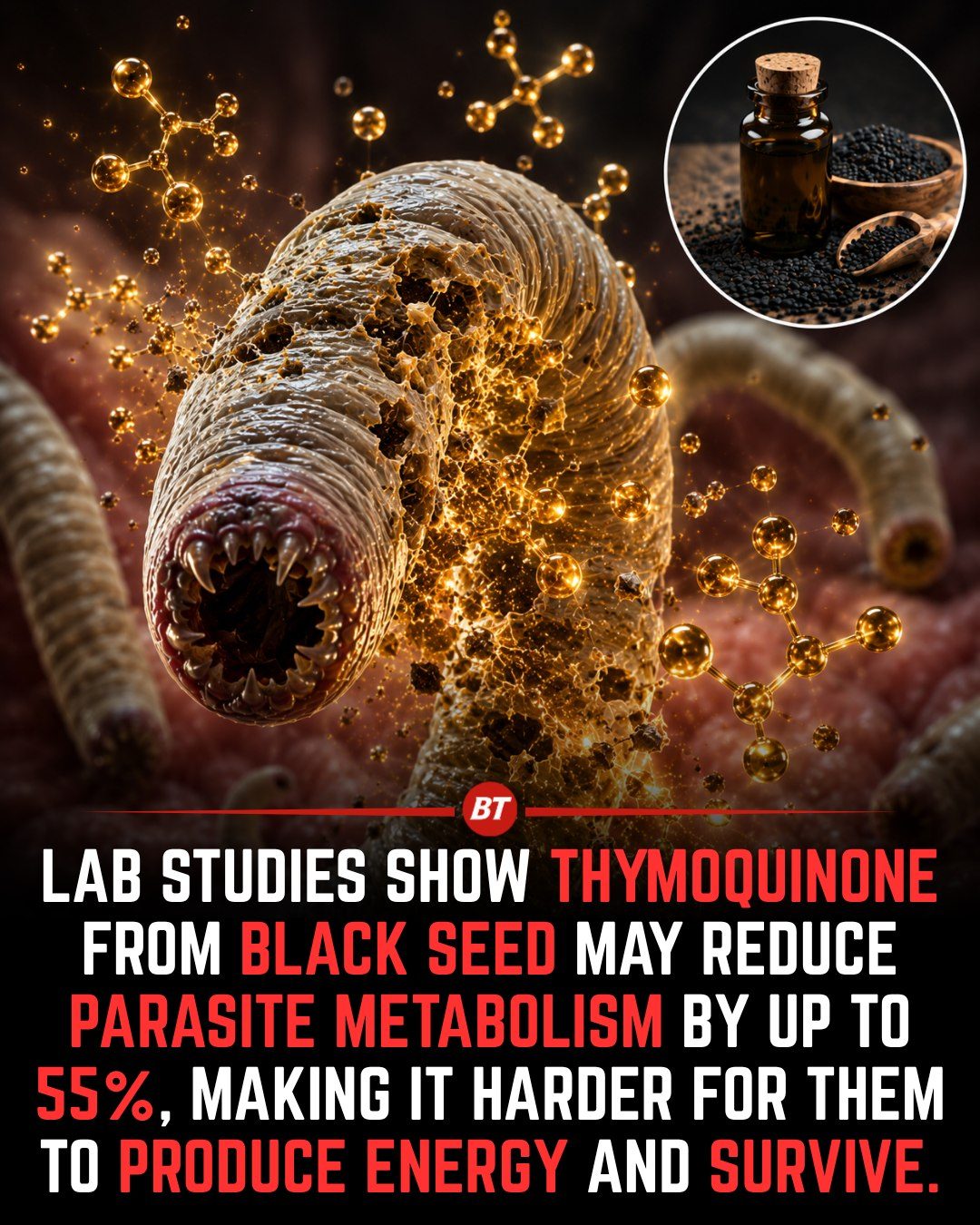
Black Seed: Thymoquinone's Potential Against Parasites
Black seed, also known as Nigella sativa, has long captivated scientists with its potent compound, thymoquinone. This naturally occurring phytochemical is found in the seeds of the Nigella sativa plant and has been extensively studied for a myriad of health benefits. Among its many properties, thymoquinone has shown promise in laboratory settings for its potential effects on certain parasites.
Context: Why This Matters
Parasitic infections can significantly impact human health, particularly in regions where clean water and proper sanitation are lacking. While conventional treatments exist, the growing concern of drug resistance among parasites underscores the need for new therapeutic approaches. Black seed, with its rich history in traditional medicine and modern scientific backing, offers a intriguing natural alternative.
Main Discussion
The Remarkable Compound: Thymoquinone
Thymoquinone is the active compound derived from black seed. Research indicates that this phytochemical possesses antioxidant, anti-inflammatory, antimicrobial, and immune-supporting properties. In laboratory settings, thymoquinone has demonstrated the ability to interfere with the metabolic processes of certain parasites.
Laboratory Findings
Studies published in journals such as Parasitology Research and the Journal of Ethnopharmacology have revealed that thymoquinone can reduce parasite metabolism by up to 55%. This reduction significantly impairs the parasites' ability to generate energy and survive. By disrupting key metabolic processes, thymoquinone effectively hinders the parasites' vitality, making it a potential candidate for future therapeutic research.
Beyond Parasites
The benefits of black seed extend beyond its potential parasite-fighting properties. Thymoquinone has also been investigated for its role in supporting various aspects of human health, including:
-
Blood Sugar Levels: Research suggests that thymoquinone may help regulate blood sugar levels, contributing to better metabolic health.
-
Cardiovascular Health: The antioxidant and anti-inflammatory properties of thymoquinone may support cardiovascular health by protecting cells from oxidative stress and reducing inflammation.
-
Liver Function: Thymoquinone has been studied for its hepatoprotective effects, which means it may help maintain healthy liver function.
-
Immune System: Thymoquinone's immune-supporting properties can help bolster the body's natural defenses against infections and diseases.
Practical Tips
Incorporating black seed into your diet can be both easy and delicious. Here are some practical ways to consume black seeds:
-
Sprinkle on Salads: Add a pinch of black seeds to your favorite salad for a nutty, peppery flavor.
-
Yogurt Topping: Mix black seeds into your yogurt for a healthy snack or breakfast option.
-
Baked Goods: Incorporate black seeds into your baking recipes, such as bread, muffins, or cookies.
-
Traditional Recipes: Use black seeds in traditional dishes like curries, stews, and rice dishes for added flavor and health benefits.
Important Takeaways
Black seed, with its potent compound thymoquinone, offers a range of health benefits, particularly its potential to disrupt the metabolism of certain parasites. While laboratory findings are promising, it is essential to note that more high-quality human clinical trials are needed to determine how these results translate into real-world health outcomes. Until then, incorporating black seeds into your diet can be a simple and flavorful way to support overall health.
Conclusion
The potential of black seed and its active compound, thymoquinone, in combating parasitic infections and supporting overall health is undeniable. As research continues to uncover the many benefits of black seed, it remains a fascinating and promising natural supplement. By incorporating black seeds into your daily routine, you can enjoy not only their unique flavor but also their potential health advantages.
Watch the Reel
Questions readers ask
What is thymoquinone and where is it found?
Thymoquinone is a potent phytochemical found in black seed, scientifically known as Nigella sativa. It is the key active compound in the seeds of this plant, responsible for many of its health benefits, making it a subject of interest for various studies.
How does thymoquinone affect parasites?
Thymoquinone has shown promise in lab studies by disrupting the metabolism of certain parasites. This disruption can potentially help control or eliminate parasitic infections, offering a new avenue for natural treatments.
What are the benefits of thymoquinone beyond parasite treatment?
Thymoquinone is known for its anti-inflammatory properties and its ability to support the immune system. It has also been studied for various other health benefits, making it a versatile compound with multiple uses.
Can black seed be used as a natural remedy for parasitic infections?
While lab studies suggest that black seed's thymoquinone may have anti-parasitic properties, it is important to consult with a healthcare provider before using it to treat parasitic infections. Further research is needed to determine its effectiveness in clinical settings.
What makes black seed a potential alternative to conventional parasite treatments?
The growing concern of drug resistance among parasites has led researchers to explore natural alternatives. Black seed's thymoquinone offers a potential new approach with its ability to disrupt parasite metabolism and its additional health benefits.
How can thymoquinone support immune function?
Thymoquinone's anti-inflammatory properties and its ability to modulate immune responses contribute to its immune-supporting benefits. This can be particularly beneficial in managing infections, including those caused by parasites.
Related deep dives
Similar reads based on topic and creator.




Recent articles
Fresh deep dives from the latest Reels we unpacked.




Comments
Be the first to comment.