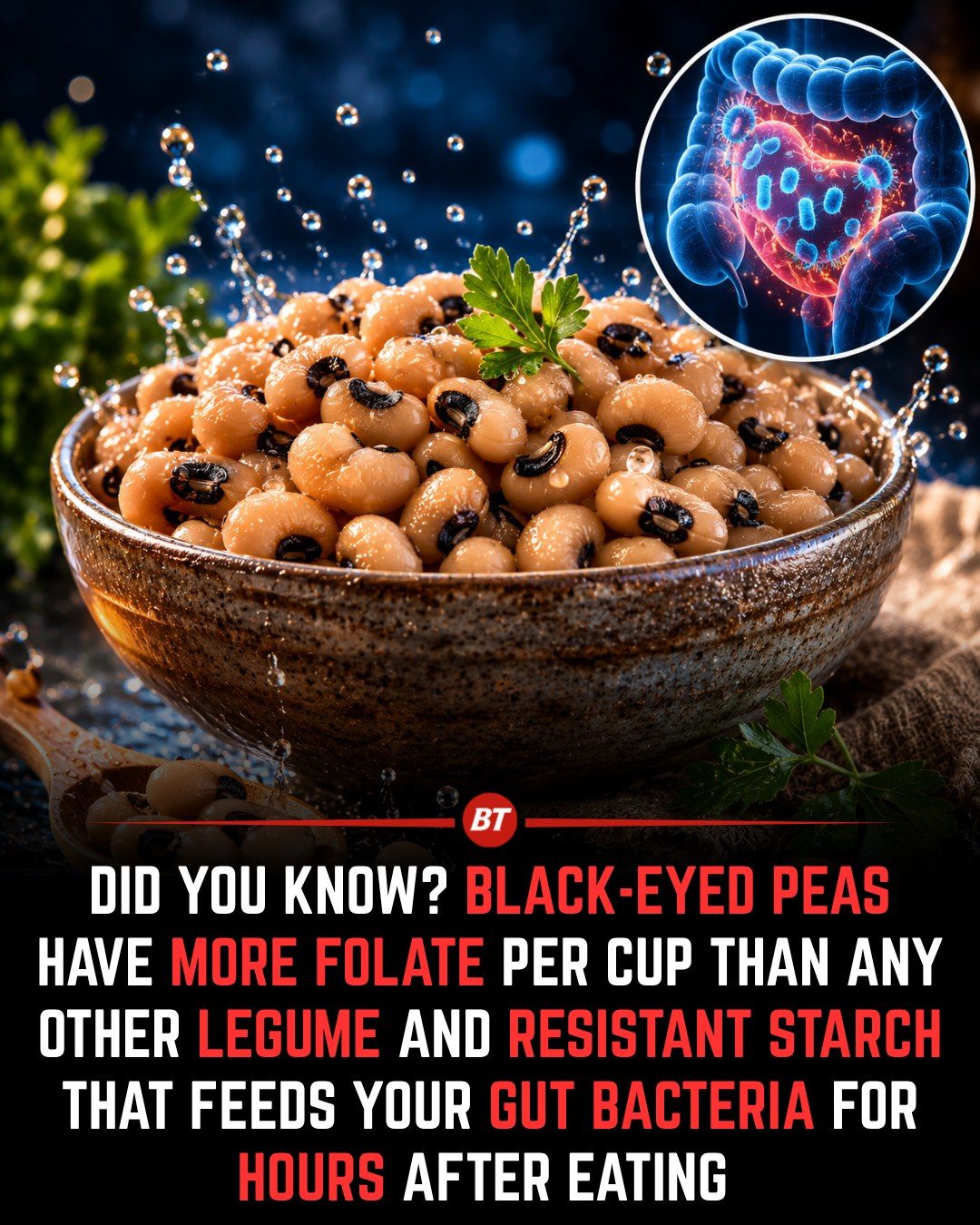
Black-Eyed Peas: A Powerhouse of Nutrients
Black-eyed peas, often overlooked in the bean aisle, are a treasure trove of essential nutrients and health benefits. These small, creamy beans pack a powerful punch that supports overall health and gut function. Let’s delve into why black-eyed peas deserve a prominent place in your diet.
Why This Matters
Incorporating black-eyed peas into your diet can significantly impact your overall health. These legumes are not only affordable and versatile but also offer a wealth of nutritional benefits that can help prevent diseases and maintain a healthy lifestyle.
Nutritional Value of Black-Eyed Peas
Folate: The Essence of Life
Black-eyed peas are renowned for their high folate content. Folate, or vitamin B9, is crucial for the body to produce DNA and healthy red blood cells, and to support normal cell growth. One cooked cup of black-eyed peas provides a substantial portion of your daily folate needs, making them one of the richest folate-containing legumes available.
Resistant Starch and Gut Health
Resistant starch is a type of carbohydrate that resists digestion in the small intestine and travels to the colon, where it serves as food for beneficial gut bacteria. These bacteria ferment the resistant starch, producing short-chain fatty acids such as butyrate. Butyrate nourishes the cells lining the colon and supports a healthy digestive environment.
Research has linked diets rich in resistant starch to improved gut health, better blood sugar regulation, and increased feelings of fullness. Black-eyed peas are particularly rich in resistant starch, making them an excellent choice for promoting gut health.
Plant Protein, Iron, and Essential Minerals
In addition to folate and resistant starch, black-eyed peas offer plant protein, iron, magnesium, potassium, and antioxidants. These nutrients contribute to overall health, helping to build muscles, support the immune system, and even aid in blood sugar regulation.
Dietary Fiber: A Gut-Friendly Component
The dietary fiber in black-eyed peas also plays a significant role in maintaining a healthy digestive system. Fiber helps regulate digestion, promoting regular bowel movements and preventing constipation. It also contributes to feelings of fullness, which can help support weight management.
Practical Tips for Incorporating Black-Eyed Peas
Cooking with Black-Eyed Peas
Adding black-eyed peas to your diet is straightforward and can be enjoyed in various dishes. Here are some practical tips for incorporating them into your meals:
- Soups and Stews: Add cooked black-eyed peas to your favorite soup or stew for a protein and fiber boost.
- Salads and Rice Bowls: Toss them into salads or rice bowls for added texture and nutrition.
- Vegetable Dishes: Include black-eyed peas in stir-fries, curries, or other vegetable dishes to enhance the nutritional profile.
- Snacks: Roast black-eyed peas for a crunchy, protein-rich snack.
Pairing with Whole Grains and Vegetables
For a balanced meal, pair black-eyed peas with whole grains and colorful vegetables. This combination provides a rich source of protein, fiber, and gut-friendly nutrients, ensuring a well-rounded and satisfying meal.
Important Takeaways
- Folate Power: Black-eyed peas are an excellent source of folate, essential for DNA synthesis, cell growth, and the production of healthy red blood cells.
- Gut-Friendly: The resistant starch in black-eyed peas feeds beneficial gut bacteria, promoting a healthy digestive environment and overall gut health.
- Nutrient-Rich: These legumes offer plant protein, iron, magnesium, potassium, and antioxidants, making them a versatile and affordable staple for any diet.
- Versatile in the Kitchen: Easy to incorporate into a variety of dishes, from soups and stews to salads and rice bowls.
Conclusion
Black-eyed peas are a true superfood, often underrated and overshadowed by other legumes. From their exceptional folate content to their gut-friendly resistant starch, these peas offer a myriad of health benefits. Whether you're looking to boost your nutrient intake, support gut health, or simply enjoy a delicious and affordable meal, black-eyed peas are a fantastic choice. Incorporate them into your diet today and reap the rewards of this nutrient-dense superfood.
Watch the Reel
Questions readers ask
How much folate can I get from one cup of black-eyed peas?
One cup of cooked black-eyed peas provides approximately 40% of your daily folate needs. This makes them an excellent source of this vital nutrient, which is essential for DNA production and overall cell health.
What are the benefits of the resistant starch in black-eyed peas?
Resistant starch in black-eyed peas is a type of carbohydrate that resists digestion in the small intestine and ferments in the large intestine. This process feeds beneficial gut bacteria, boosting their growth and promoting a healthier digestive system.
Can eating black-eyed peas help improve my gut health?
Yes, the resistant starch in black-eyed peas acts as a prebiotic, nourishing the good bacteria in your gut. This can lead to improved digestion, better nutrient absorption, and a stronger immune system.
Why do black-eyed peas promote healthy cell growth?
This is primarily due to their high folate content. Folate is essential for the synthesis of DNA and the production of red blood cells, which means it's crucial for maintaining the health of all cells and tissues in the body.
Are there other folate-rich foods besides black-eyed peas?
Yes, other folate-rich foods include lentils, spinach, asparagus, and fortified cereals. However, black-eyed peas are particularly notable for their balance of folate and other nutrients like resistant starch, making them an excellent addition to a varied diet.
How can I incorporate black-eyed peas into my meals?
Black-eyed peas are incredibly versatile. You can add them to soups, stews, and salads, or use them as a base for vegetarian chili. They also make a great side dish or can be blended into dips and spreads. Consider trying them in classic dishes like Hoppin' John or black-eyed pea salad, Black-eyed peas.
What are some health benefits of consuming black-eyed peas regularly?
Regular consumption of black-eyed peas can support healthy digestion, boost your immune system, and help prevent diseases associated with nutrient deficiencies. Additionally, their folate content is beneficial for pregnant women and can help reduce the risk of certain birth defects.
Related deep dives
Similar reads based on topic and creator.




Recent articles
Fresh deep dives from the latest Reels we unpacked.




Comments
Be the first to comment.