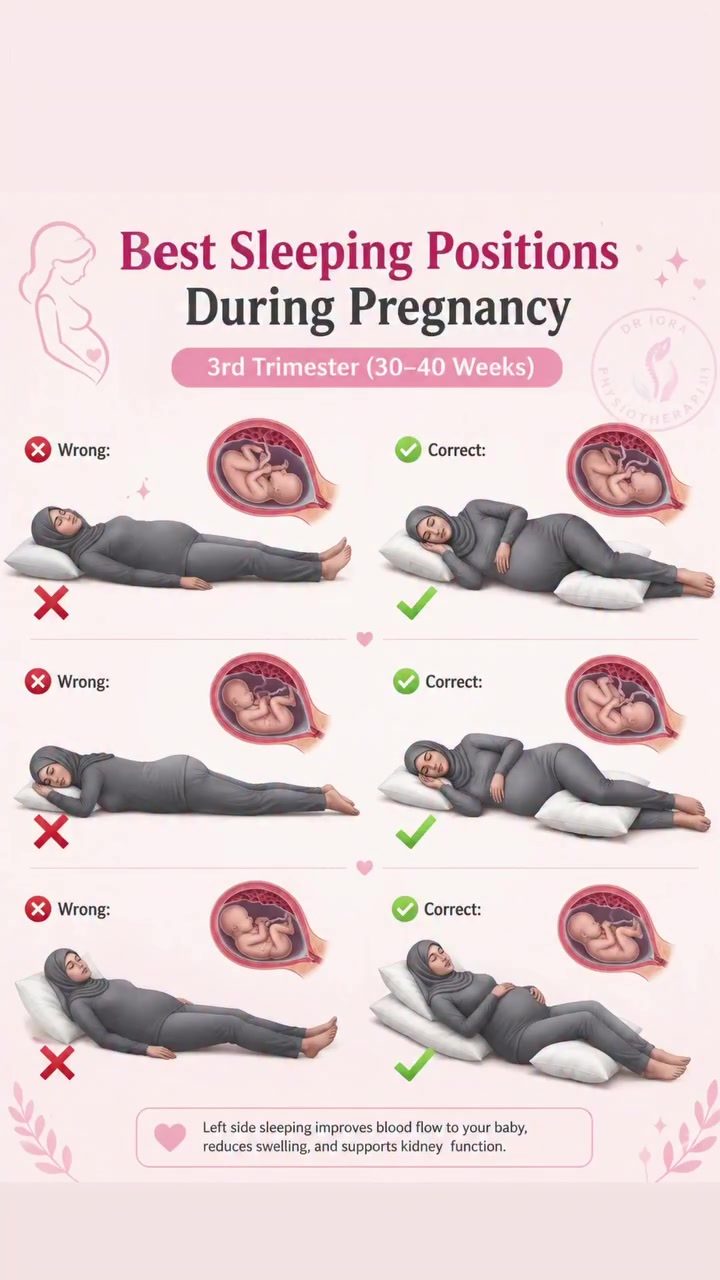
Sleeping Positions for Pregnancy
Finding a comfortable sleeping position during pregnancy is a common challenge, especially as the baby grows and the body undergoes significant changes. Getting quality sleep is essential for both the expecting mother and the baby. This guide explores the best sleeping positions, particularly for the third trimester, and offers practical tips to improve sleep quality and well-being.
Why Sleeping Positions Matter
The position in which a pregnant woman sleeps can significantly impact her comfort, circulation, and overall well-being. As the pregnancy progresses, it becomes increasingly important to find supportive and safe sleeping positions. The third trimester, in particular, is a critical period where the right sleeping positions can alleviate discomfort and promote better health for both the mother and the baby.
Main Discussion
Sleeping on the left side is generally recommended. Sleeping on the left side during the third trimester (30-40 weeks) is especially beneficial. This position improves blood flow to the uterus, which ensures a steady supply of nutrients and oxygen to the baby. Additionally, left-side sleeping helps to reduce swelling in the legs and supports kidney function, which is crucial for filtering waste from both the mother’s and the baby’s blood.
Best Sleeping Positions
Several key positions are highlighted for their benefits during pregnancy:
-
Left-Side Sleeping: As mentioned, this is the go-to position for most of the third trimester. It enhances blood flow to the baby and helps alleviate swelling. Placing a pillow between the knees and another under the belly can provide extra support and comfort.
-
Semi-Fetal Position: This position, which involves lying on the left side with the knees slightly bent, can help reduce back and hip pain. Using a pregnancy pillow that supports the entire body can make this position even more comfortable.
-
Right-Side Sleeping: While left-side sleeping is preferred, right-side sleeping can also be a good alternative, especially if left-side sleeping causes discomfort. The key is to ensure that the spine is supported and the body is relaxed.
Positions to Avoid
Certain sleeping positions should be avoided, especially as the pregnancy progresses:
-
Sleeping on the Back: Lying flat on the back in late pregnancy can lead to reduced blood flow to the uterus, which can be harmful to the baby. If you wake up on your back, simply turn back onto your side—there’s no need to panic.
-
Sleeping on the Stomach: After the baby bump grows, sleeping on the stomach becomes uncomfortable and can put pressure on the growing uterus. This position should be avoided entirely.
-
Sitting Up or Reclining: Sitting upright or reclining at a 45-degree angle for prolonged periods should be avoided, especially in the final weeks of pregnancy, as this can lead to discomfort and poor sleep quality.
Practical Tips
To enhance comfort and promote better sleep, consider the following tips:
Use Pillows for Support
Pillows can provide the necessary support to maintain a comfortable and safe sleeping position. Here are some tips:
- Between the Knees: A pillow placed between the knees can help align the hips and reduce pressure on the lower back.
- Under the Belly: A pillow under the belly can provide support and alleviate discomfort.
- Behind the Back: A pillow placed behind the back can prevent you from rolling onto your back.
Create a Comfortable Sleep Environment
A conducive sleep environment can significantly improve sleep quality. Consider the following:
- Cooled Temperature: Maintain a slightly cooler room temperature, as this can promote better sleep.
- Comfortable Mattress: Ensure the mattress is comfortable and supportive, which can reduce aches and pains.
- Dark and Quiet: Create a dark and quiet sleep environment to minimize disturbances.
Daily Routine Adjustments
Incorporating daily routines that promote better sleep can be beneficial:
- Regular Exercise: Engage in light exercises, such as prenatal yoga, to improve sleep quality. However, avoid vigorous activities close to bedtime.
- Healthy Diet: Consume a balanced diet and stay hydrated, but avoid large meals and excessive fluids close to bedtime to prevent discomfort.
- Bedtime Rituals: Establish a relaxing bedtime routine, such as reading or taking a warm bath, to signal to the body that it's time to sleep.
Listen to Your Body
Understanding your body's needs and adjusting your sleeping positions accordingly is crucial. Pregnancy is a dynamic process, and what works one week might not work the next. Be open to trying different positions and supports to find what works best for you.
Consult a Healthcare Provider
If you have any medical conditions or a high-risk pregnancy, always follow the advice of your healthcare provider. They can offer personalized recommendations tailored to your specific needs.
Important Takeaways
Sleeping positions greatly impact comfort, circulation, and well-being during pregnancy, especially in the third trimester. The recommended position is sleeping on the left side, which improves blood flow to the baby and reduces swelling. Supporting your body with pillows and creating a comfortable sleep environment can further enhance sleep quality. Always consult a healthcare provider for personalized advice, especially if you have any medical conditions or a high-risk pregnancy.
Conclusion
Ensuring a good night's rest during pregnancy is essential for both the mother and the baby. By understanding and implementing the best sleeping positions and tips, pregnant women can significantly improve their comfort and overall well-being.
Watch the Reel
Questions readers ask
Why is sleeping on the left side recommended during the third trimester?
Sleeping on the left side during the third trimester is recommended because it improves blood flow to the uterus and kidneys. This position also helps to alleviate pressure on the liver, which is pushed up under the ribs at this stage of pregnancy. Additionally, it promotes better circulation, ensuring that both the mother and the baby receive adequate nutrients and oxygen.
What are some alternatives to sleeping on the left side during the third trimester?
While left-side sleeping is ideal, some alternative positions can also be comfortable. Sleeping with a pregnancy pillow between the knees, behind the back, or under the tummy can provide support and comfort. Additionally, using a pregnancy pillow to prop up the upper body can ease breathing, especially for those who experience shortness of breath in the third trimester.
How can a pregnancy pillow help during the third trimester?
A pregnancy pillow can significantly enhance comfort during the third trimester. It supports the growing belly, relieving pressure on the spine and hips. Additionally, it can be used to prop up the upper body to ease breathing and reduce heartburn. Placing the pillow between the knees can also prevent discomfort and leg cramps.
What sleeping position should be avoided during the third trimester?
Sleeping on the back should be avoided during the third trimester. This position can compress the inferior vena cava, a major vein that carries blood back to the heart from the lower body. This compression can decrease blood flow to the uterus, potentially reducing oxygen and nutrient supply to the baby.
How can I improve my sleep quality in the third trimester?
Improving sleep quality in the third trimester involves finding a comfortable position, using supportive pillows, and creating a relaxing bedtime routine. Regular exercise, a balanced diet, and staying hydrated can also promote better sleep. Additionally, taking naps during the day can help combat fatigue and ensure that both mother and baby are well-rested.
What are some practical tips for sleeping comfortably during the third trimester?
To sleep comfortably during the third trimester, consider using multiple pillows for support, keeping the room cool, and wearing comfortable clothing. Establishing a bedtime routine, such as reading or taking a warm bath, can also help signal the body to prepare for sleep. Regular prenatal check-ups can provide reassurance and relief from anxiety, which can also improve sleep quality.
Why does sleep quality matter during pregnancy, especially in the third trimester?
Sleep quality matters during pregnancy, especially in the third trimester, as it directly affects the mother's and baby's health. Adequate sleep supports the body's ability to heal and regenerate, which is crucial during this period of rapid growth and change. Proper rest can also alleviate stress, improve mood, and enhance overall well-being, ensuring a healthier pregnancy and a smoother postpartum period.
Recent articles
Fresh deep dives from the latest Reels we unpacked.




Comments
Be the first to comment.