Dog Petting Zones
Understanding where dogs like to be petted is crucial for building trust and ensuring their comfort. While most dogs enjoy gentle petting on certain areas, their preferences can vary based on personality and individual comfort.
Why This Matters
Petting is a form of communication between humans and dogs. It strengthens the bond, provides comfort, and can reinforce positive behavior. However, not all areas of a dog's body are equally receptive to touch. Recognizing and respecting a dog's preferred petting zones can prevent discomfort, fear, and even aggression. This knowledge is particularly important for first-time dog owners, children, and anyone interacting with dogs they are unfamiliar with.
Understanding Dog Petting Zones
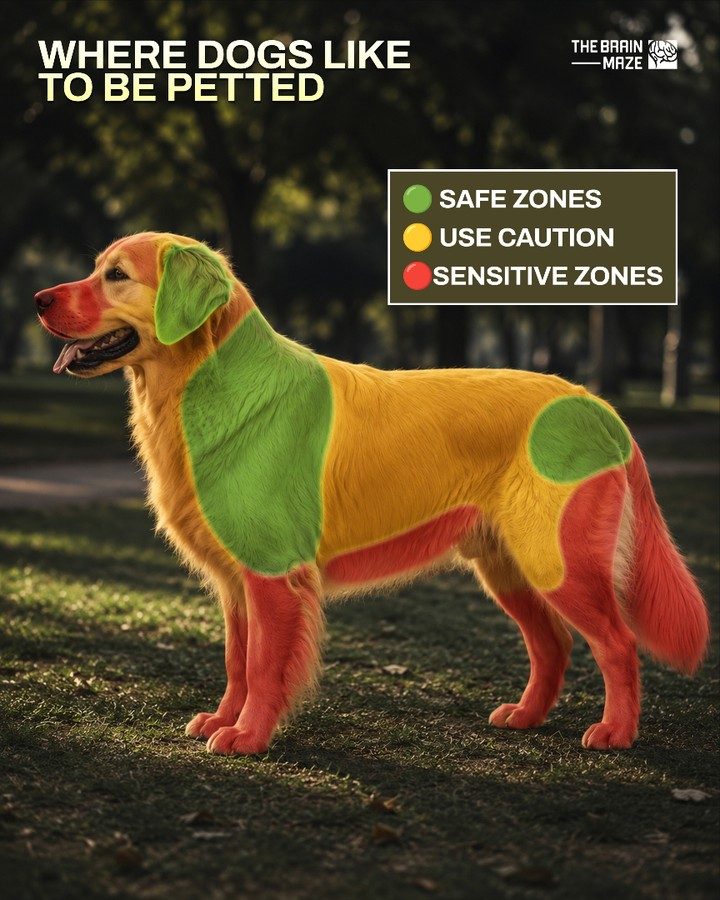
Dogs have distinct areas where they generally enjoy being petted, areas that require caution, and sensitive zones that should be avoided unless the dog initiates contact. These zones are color-coded for easy reference:
Safe Zones
These are the areas where most dogs enjoy being petted. Gentle petting in these zones can help dogs feel relaxed and comfortable. Safe zones typically include:
- Neck: Many dogs enjoy having their neck gently scratched or rubbed. This area is often a good starting point for petting.
- Chest: The chest area is usually a safe bet for petting. It's a large, open area that dogs often find soothing.
- Shoulders and Upper Back: These areas are generally comfortable for dogs and can be easily accessed.
- Base of the Tail: While the tail itself is often a sensitive area, the base of the tail can be a safe spot for some dogs, especially if they enjoy having their hindquarters scratched.
Zones to Use Caution
Some areas may be acceptable for petting depending on the dog's personality and comfort level. It's essential to approach these zones with caution and pay close attention to the dog's body language.
- Ribs: Some dogs enjoy having their ribs gently rubbed, while others may be sensitive to this area. Approach with caution and stop if the dog shows any signs of discomfort.
- Belly: While many dogs enjoy a belly rub, others find it invasive and uncomfortable. Always let the dog initiate belly exposure before attempting to pet this area.
- Hips and Lower Back: These areas can be sensitive, but some dogs may enjoy a gentle rub. Again, pay close attention to the dog's body language and stop if they show any signs of discomfort.
Sensitive Zones
These areas are often best avoided, as they can be very sensitive or even painful for dogs. Always respect a dog's boundaries and never force interaction in these zones.
- Face: The face, including the ears, muzzle, and eyes, is a sensitive area for most dogs. Avoid petting these areas unless the dog initiates contact.
- Tail: The tail is a sensitive area and can be easily injured. Avoid petting the tail unless the dog clearly indicates they enjoy it.
- Paws and Legs: Many dogs are sensitive about their paws and legs. These areas should be handled with care, and petting should be avoided unless the dog initiates contact.
- Groin: This is a highly sensitive area and should be avoided. Petting or handling a dog's groin area can cause discomfort, fear, and even aggression.
Practical Tips
Pay Attention to Body Language
Every dog is unique, and their preferences can vary greatly. Always pay attention to a dog's body language when petting them. Signs of discomfort can include:
- Tensing up
- Pulling away
- Licking lips
- Yawning
- Growling or snapping
- Avoiding eye contact
Start Slow and Gentle
When approaching a dog for the first time, start with slow, gentle petting in the safe zones. Allow the dog to approach you and show interest before attempting to pet them. If a dog shows any signs of discomfort, stop immediately and give them space.
Let the Dog Initiate Contact
When it comes to sensitive zones, it's best to let the dog initiate contact. If a dog rolls over and exposes their belly, it's usually an invitation for a belly rub. However, if a dog avoids eye contact or moves away, they are likely not comfortable with the interaction.
Be Mindful of the Environment
Dogs can feel more comfortable and safe in familiar environments. When meeting a new dog, try to do so in a calm, quiet setting where the dog feels secure. Avoid sudden movements or loud noises that could startle the dog.
Important Takeaways
- Safe Zones: Neck, chest, shoulders, and upper back.
- Caution Zones: Ribs, belly, hips, and lower back. Always pay attention to the dog's body language in these areas.
- Sensitive Zones: Face, tail, paws, legs, and groin. Avoid these areas unless the dog initiates contact.
- Body Language: Always pay attention to a dog's body language. Signs of discomfort should be taken seriously.
- Respect Boundaries: Never force interaction with a dog. Always respect their personal space and boundaries.
Conclusion
Understanding where dogs like to be petted and recognizing their individual preferences is essential for building a strong, trusting bond. By being mindful of a dog's petting zones, paying attention to their body language, and respecting their boundaries, you can create a comfortable and enjoyable experience for both you and the dog.
Watch the Reel
Questions readers ask
What are the best spots to pet a dog for the first time?
For first-time interactions, start with the chest or shoulders. These areas are generally safe and comfortable for most dogs. Always approach calmly and let the dog sniff your hand first.
What areas should you avoid when petting a dog?
Avoid sensitive areas like the dog's paws, tail, ears, and face, especially around the muzzle and eyes. These areas can be sensitive and cause discomfort if touched. It's better to ask the dog's owner about their pet's preferences if you're unsure.
How can you tell if a dog is enjoying being petted?
Signs of enjoyment include relaxed body language, wagging tail, and leaning into your touch. If a dog moves away, tenses up, or shows signs of discomfort like growling, it's best to stop petting immediately.
Why is it important to respect a dog's petting preferences?
Respecting a dog's petting preferences is crucial for maintaining trust and preventing fear or aggression. Each dog is unique, and understanding their comfort zones helps ensure a positive interaction.
What if a dog seems to dislike being petted on specific areas but you want to touch them?
If a dog shows discomfort in specific areas, avoid petting those spots. If you need to touch sensitive areas for safety or grooming, do so gently and briefly, and reward the dog with treats and praise to reinforce positive associations.
How can you teach children to safely pet a dog?
Teach children to approach dogs calmly and ask the owner for permission first. Show them how to gently pet the dog on safe spots like the chest or shoulders, and remind them to stop if the dog shows any signs of discomfort.
Are there any dog breeds that have different petting preferences?
While individual preferences vary, some breeds may have unique sensitivities. For example, breeds with long ears or flat faces might be more sensitive around those areas. Always observe the dog’s body language and ask the owner about their specific preferences.
Recent articles
Fresh deep dives from the latest Reels we unpacked.




Comments
Be the first to comment.