Foods That Support Your Organs
The foods we consume play a vital role in maintaining overall health. However, it's important to understand that no single food can "cleanse," "heal," or target a specific organ on its own. The body has its own remarkable systems, such as the liver, kidneys, lungs, and digestive tract, which work continuously to keep us healthy. A balanced diet helps these organs function at their best.
Why This Matters
While it is true that no single "superfood" can be a cure-all, there are certain foods that can help various parts of your body function better. This is not about relying on one wonder food, but rather about incorporating a variety of nutritious foods into your diet to support different aspects of your health.
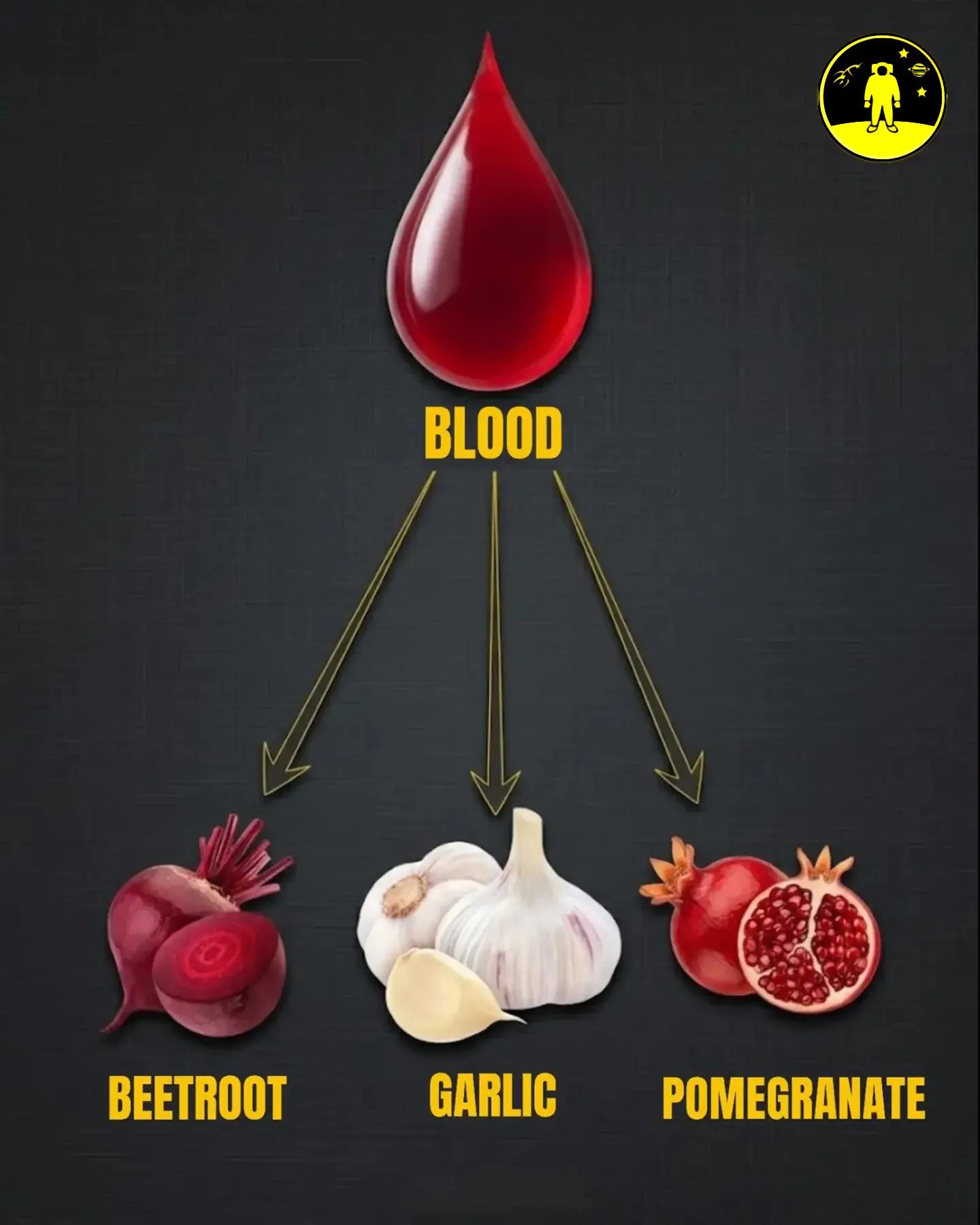
Foods for Blood Health
Beetroot
Beetroot is a powerhouse of nutrients, particularly rich in nitrates, which the body converts into nitric oxide. Nitric oxide helps to relax and widen blood vessels, improving blood flow and lowering blood pressure. This makes beetroot a valuable addition to a diet aimed at supporting cardiovascular health.
Garlic
Garlic contains beneficial sulfur compounds, which can help reduce cholesterol levels and improve blood pressure. Garlic's anti-inflammatory and antimicrobial properties also contribute to overall cardiovascular health, making it a staple in many health-conscious diets.
Pomegranate
Pomegranates are packed with antioxidants, particularly polyphenols and anthocyanins. These compounds help protect the heart by reducing oxidative damage, improving cholesterol levels, and lowering blood pressure. Regular consumption of pomegranate juice or seeds can support blood health and overall cardiovascular function.
Foods for Lung Health
Pineapple
Pineapple is rich in an enzyme called bromelain, which has anti-inflammatory properties. Bromelain can help reduce inflammation in the lungs, making it a beneficial food for those with respiratory issues. Additionally, pineapple is high in vitamin C, which supports immune function and overall lung health.
Ginger
Ginger is well-known for its anti-inflammatory and antimicrobial properties. It can help reduce inflammation in the respiratory tract, making it easier to breathe. Ginger's ability to soothe a sore throat and reduce coughing also makes it a valuable ally for lung health.
Garlic
Garlic's beneficial effects extend to lung health as well. Its sulfur compounds and antioxidant properties help to reduce inflammation and fight infections, making it a great addition to a diet aimed at supporting respiratory health.
Foods for Liver Health
Beetroot
Beetroot's high nitrate content supports liver health by improving blood flow and reducing inflammation. The antioxidants in beetroot also help to protect the liver from oxidative damage, making it a valuable food for maintaining liver function.
Lemon
Lemon is high in vitamin C, which supports the production of glutathione, a powerful antioxidant that helps the liver detoxify. Drinking lemon water can help stimulate the liver to produce enzymes that flush out toxins, making it a simple and effective addition to a liver-healthy diet.
Turmeric
Turmeric contains curcumin, a compound with powerful anti-inflammatory and antioxidant properties. Curcumin helps to protect the liver from damage and supports its detoxification processes. Turmeric is a versatile spice that can be easily incorporated into various dishes to support liver health.
Other Foods for Overall Health
Blueberries
Blueberries are rich in antioxidants like anthocyanins, which help protect the body from oxidative stress and support overall health. These antioxidants are particularly beneficial for brain health, helping to improve memory and cognitive function.
Walnuts
Walnuts are a great source of healthy fats, including omega-3 fatty acids, which support brain health. They also contain antioxidants and have anti-inflammatory properties, making them a valuable addition to a balanced diet.
Apples
Apples are high in fiber, which supports gut health and helps regulate digestion. They also contain antioxidants and have anti-inflammatory properties, contributing to overall health.
Grapes
Grapes are rich in antioxidants, particularly resveratrol, which helps protect the body from oxidative damage. Resveratrol supports heart health and has anti-inflammatory properties, making grapes a valuable addition to a healthy diet.
Cucumber
Cucumbers are high in water content, making them a hydrating food that supports overall health. They also contain antioxidants and have anti-inflammatory properties, contributing to skin health and digestion.
Aloe Vera
Aloe vera is known for its healing properties, particularly for the skin and digestive system. It contains antioxidants and has anti-inflammatory properties, making it a beneficial addition to a diet aimed at supporting overall health.
Pineapple
In addition to its benefits for lung health, pineapple's high vitamin C content supports immune function and overall health.
Lemons
Lemons are versatile and support overall health through their high vitamin C content, which aids in immune function, and their ability to stimulate the production of detoxifying enzymes in the liver.
Practical Tips
Incorporating a variety of nutritious foods into your diet is key to maintaining overall health. Here are some practical tips to help you get started:
- Plan your meals to include a variety of colorful fruits and vegetables. This will ensure you get a range of vitamins, minerals, and antioxidants.
- Incorporate healthy fats from sources like walnuts, avocados, and olive oil to support brain and heart health.
- Add spices like turmeric and garlic to your meals for their anti-inflammatory and antioxidant benefits.
- Stay hydrated by drinking plenty of water and incorporating water-rich foods like cucumbers into your diet.
- Limit processed foods and opt for whole, unprocessed foods to support your body's natural detoxification processes.
Important Takeaways
- No single food can "cleanse," "heal," or target a specific organ on its own. A balanced diet that includes a variety of nutritious foods is key to supporting overall health.
- Foods like beetroot, garlic, and pomegranate can support blood health.
- Pineapple, ginger, and garlic can benefit lung health.
- Beetroot, lemon, and turmeric support liver health.
- Blueberries, walnuts, and apples contribute to overall health through their rich content of vitamins, minerals, and antioxidants.
Conclusion
A balanced diet rich in fruits, vegetables, whole grains, legumes, nuts, and lean proteins is essential for supporting the body's natural systems and maintaining overall health. Foods like blueberries, walnuts, turmeric, garlic, beetroot, pomegranate, apples, grapes, ginger, cucumber, aloe vera, pineapple, and lemons each contribute unique benefits that support different aspects of health.
By incorporating a variety of these foods into your diet and adopting healthy habits like regular exercise, staying hydrated, and getting enough sleep, you can support your body's natural processes and enhance your overall well-being.
Watch the Reel
Questions readers ask
What are the best foods for liver health?
Turmeric is one of the best foods for supporting liver function, thanks to its active compound curcumin, which has potent anti-inflammatory properties. Other beneficial foods include leafy greens, berries, and nuts, which are packed with antioxidants and support overall health.
How does garlic benefit blood health?
Garlic has been shown to help lower blood pressure and reduce cholesterol levels, promoting better blood health and cardiovascular function. It also contains compounds that help thin the blood, reducing the risk of blood clots.
What are the health benefits of beetroot for cardiovascular health?
Beetroot is rich in nitrates, which the body converts into nitric oxide. This helps to relax and widen blood vessels, improving blood flow and lowering blood pressure, which supports cardiovascular health.
How does pomegranate support heart health?
Pomegranates are high in antioxidants, which can help reduce inflammation and prevent the buildup of plaque in the arteries. This fruit also contains compounds that can help lower blood pressure and improve cholesterol levels, promoting better heart health.
Why is pineapple good for lung health?
Pineapple contains an enzyme called bromelain, which has been shown to have anti-inflammatory properties. This can help reduce inflammation in the lungs, making it easier to breathe and supporting overall lung function. Additionally, pineapple is rich in antioxidants, which can help protect lung tissue from damage.
What role does ginger play in supporting blood health?
Ginger has been found to improve circulation and reduce inflammation, both of which are beneficial for blood health. It can also help lower blood pressure and prevent the formation of blood clots, further supporting cardiovascular function.
Can certain foods support both liver and lung health?
Yes, some foods can support both liver and lung health due to their potent anti-inflammatory properties and antioxidant content. Foods like leafy greens, ginger, and turmeric can help reduce inflammation and protect cells from damage, benefiting both organs.
Related deep dives
Similar reads based on topic and creator.

Recent articles
Fresh deep dives from the latest Reels we unpacked.




Comments
Be the first to comment.