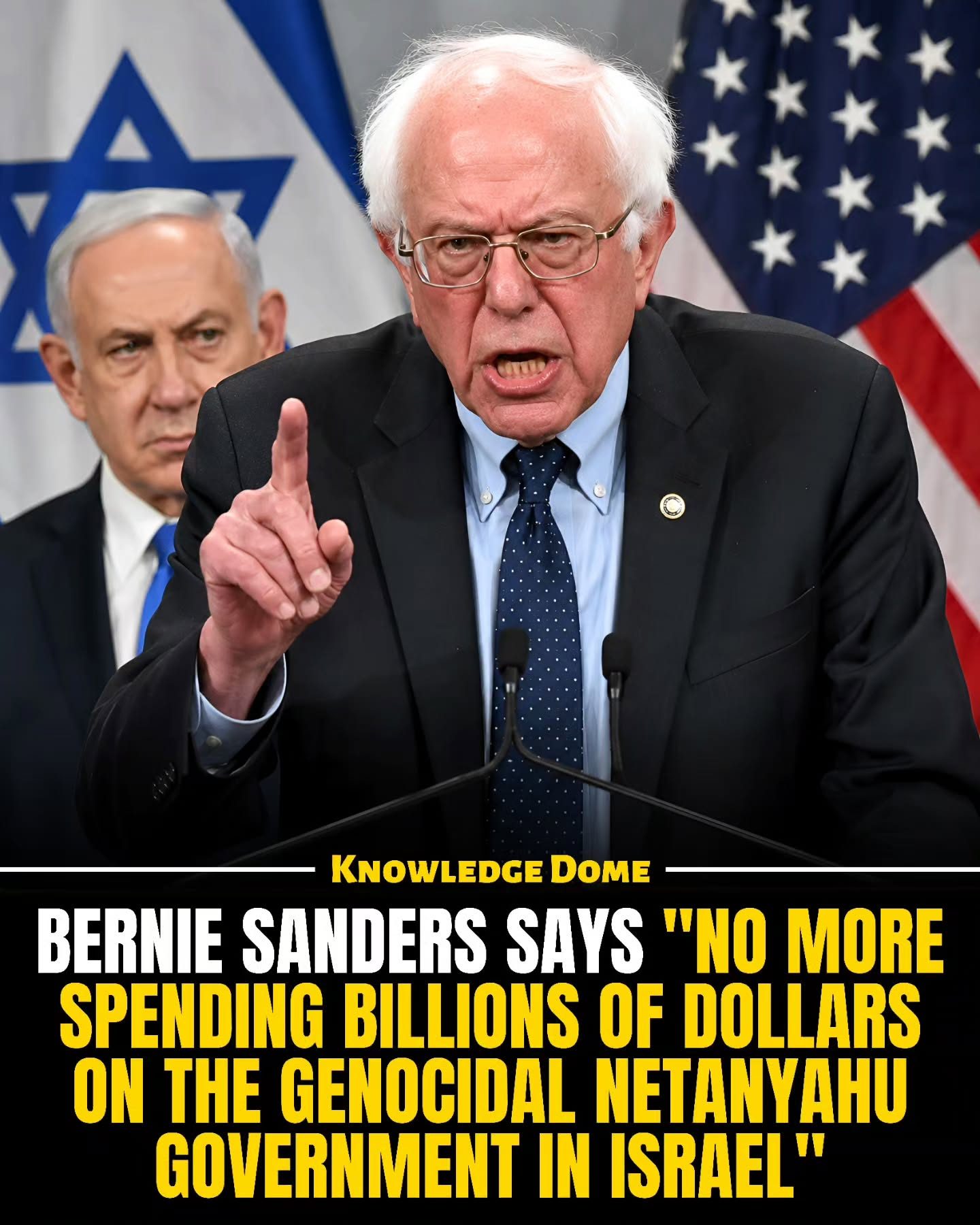
U.S. Senator Bernie Sanders' Stance on Military Spending and Foreign Policy
U.S. Senator Bernie Sanders has been vocal about the United States' military spending, particularly in relation to foreign conflicts. He argues that the country should significantly reduce its expenditures on foreign wars and redirect those funds towards addressing domestic issues such as healthcare, housing, and education. His message is clear: the focus should be on improving the lives of American families.
Context / Why this Matters
The debate over military spending and foreign policy is not new, but Sanders' perspective offers a fresh and critical view of how U.S. funds are utilized. By advocating for a shift in priorities, Sanders aims to address the immediate needs of American citizens who are struggling with essential services and infrastructure. This perspective is particularly relevant in the current political climate, where discussions around national security and domestic welfare are at the forefront.
Main Discussion
Shifting Priorities
Sanders believes that the U.S. has been allocating an excessive amount of money to the military, particularly in support of foreign wars. He contends that this diversion of funds leaves many American citizens struggling with basic needs. By reducing military spending, Sanders argues, the government can invest more in healthcare, housing, and education. This shift in priorities, he believes, will not only improve the well-being of American citizens but also foster a more stable and equitable society.
Criticism of U.S. Support for Israel's Actions in Gaza
Among Sanders' most controversial stances is his criticism of U.S. support for Israel's actions in Gaza. He has described the situation there as dire, emphasizing the suffering of civilians and the need for a more compassionate approach. Sanders insists that the U.S. should not provide unconditional military aid to Israel if it means ignoring human rights and humanitarian rules. His strong words reflect a deep concern for the plight of civilians and a call for more ethical foreign policy decisions.
Push for Peace and Humanitarian Aid
In addition to his calls for reduced military spending, Sanders has also pushed for a more proactive approach to peace and humanitarian aid. He and other lawmakers have advocated for blocking weapons sales to Israel, specifically offensive military equipment. Sanders' goal is to use Washington's influence to demand a ceasefire, increase humanitarian aid, and seek a genuine path toward peace. His primary point is that U.S. financial support should be geared towards protecting lives and promoting peace, rather than perpetuating conflict.
Practical Tips
For those interested in engaging with these issues, there are several practical steps you can take:
- Stay Informed: Keep up-to-date with the latest developments in U.S. military spending and foreign policy. Follow reliable news sources and political analysts to gain a comprehensive understanding of the issues.
- Advocate for Change: Get involved in local and national advocacy groups that align with your views on military spending and foreign policy. Your voice can make a difference in shaping public opinion and influencing policy changes.
- Support Legislation: Encourage lawmakers to introduce and support legislation that aims to reduce military spending and redirect funds towards domestic needs. Public support can be a powerful force in pushing for policy changes.
Important Takeaways
- Reallocate Funds: Reducing military spending and investing in domestic needs can significantly improve the quality of life for many Americans.
- Evaluate Military Aid: The U.S. should reconsider its unconditional support for foreign military actions and ensure that aid is used responsibly and ethically.
- Promote Peace and Humanitarian Aid: Instead of supporting conflicts, the U.S. should prioritize humanitarian efforts and work towards sustainable peace solutions.
Conclusion
Senator Bernie Sanders' stance on military spending and foreign policy offers a compelling perspective on how the U.S. can better serve its citizens and the global community. By advocating for a reduction in military spending and a more ethical approach to foreign aid, Sanders aims to address critical issues both at home and abroad. His call for a shift in priorities highlights the need for a balanced approach to national security and domestic welfare. Whether you agree with his views or not, understanding his perspective can provide valuable insights into the complexities of U.S. foreign policy and military spending.
Watch the Reel
Questions readers ask
What specific programs does Bernie Sanders want to fund by reducing military aid to Israel?
Bernie Sanders proposes to redirect funds from military aid to Israel towards domestic programs. Specifically, these include healthcare to improve medical access and affordability, and housing initiatives to boost availability and affordability for Americans.
How does Bernie Sanders justify reducing U.S. military spending?
Sanders argues that by reducing military spending, especially on foreign aid like that to Israel, the U.S. can prioritize addressing pressing domestic issues. He believes this shift can help alleviate struggles faced by American citizens, such as healthcare and housing, and promote a more equitable society.
What is the current scale of U.S. military aid to Israel?
As of recent years, the U.S. provides billions of dollars annually in military aid to Israel. This aid is often quoted at around $3.8 billion per year, making it a significant portion of the U.S. foreign aid budget.
How does Bernie Sanders' stance on military spending differ from other politicians?
Sanders' stance is notable for its emphasis on significant reduction in military spending, particularly in foreign aid. His focus is on reallocating these funds to domestic programs, which sets him apart from many other politicians who may advocate for maintaining or even increasing military spending.
What are the potential benefits of reducing U.S. military aid to Israel, according to Bernie Sanders?
Sanders believes that by reducing military aid to Israel, the U.S. can invest more in its own infrastructure, healthcare and housing. This could lead to improved living conditions for American citizens and a more equitable distribution of resources.
How does Bernie Sanders suggest the U.S. should handle its role in foreign conflicts?
Sanders advocates for a more restrained approach to foreign conflicts, suggesting that the U.S. should significantly reduce its expenditures on wars, including air and ground operations, and instead focus on diplomatic solutions and addressing domestic issues.
What are the main arguments against Bernie Sanders’ proposal to reduce military aid to Israel?
Critics of Sanders' proposal argue that reducing military aid to Israel could compromise Israel's security and stability in the region. They also contend that such a move could strain U.S.-Israel relations and potentially embolden adversaries in the Middle East.
Recent articles
Fresh deep dives from the latest Reels we unpacked.




Comments
Be the first to comment.