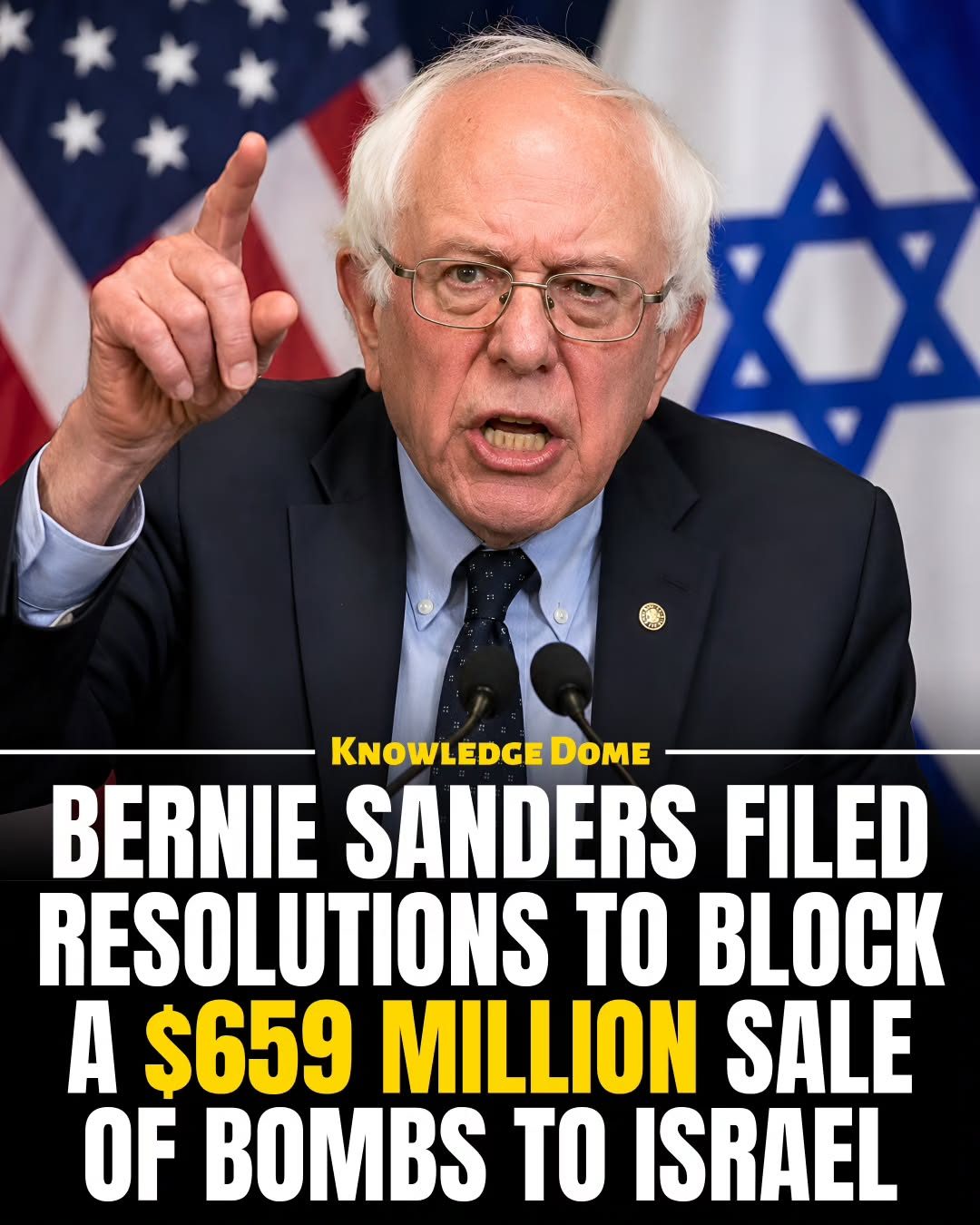
Bernie Sanders' Resolutions to Block a $659 Million Weapons Sale to Israel
Senator Bernie Sanders recently took a stand against a significant weapons sale to Israel by introducing three Joint Resolutions of Disapproval. This action came in response to the Trump administration's use of emergency powers to bypass normal congressional review and proceed with a $659 million sale. The weapons package included a substantial number of bombs and defense items, totaling about 22,000 units. These included 12,000 1,000-pound bombs, 10,000 500-pound bombs, and 5,000 250-pound bomb defense articles.
Sanders was joined by Senators Chris Van Hollen, Jeff Merkley, and Peter Welch in this effort. The goal of the resolutions was clear: to block the sale before it could go ahead. Sanders used a special legislative tool that allowed him to bring the issue to a vote in the Senate. However, despite the efforts, the Senate ultimately rejected the resolutions. One vote failed with 36 votes in favor and 63 against, while another failed with 40 votes in favor and 59 against.
The failed votes, however, revealed a growing sentiment among lawmakers. They showed that more representatives are pushing for closer scrutiny of U.S. weapons sales and military support.
Why This Matters
The attempted blockage of this weapons sale highlights several critical issues within the U.S. political and military landscape. Firstly, it underscores the ongoing debate over the use of emergency powers by the executive branch. The Trump administration's decision to bypass normal congressional review raises questions about the balance of power between the executive and legislative branches.
Secondly, the sale itself is a significant point of contention. The $659 million sale includes a vast array of bombs and defense items, which are sure to have strategic implications for both the U.S. and Israel. The specifics of the weapons package—including 12,000 1,000-pound bombs, 10,000 500-pound bombs, and 5,000 250-pound bomb defense articles—suggest a substantial escalation in military capabilities.
Finally, the votes show a shift in the political landscape. Lawmakers are increasingly aware of the need for closer oversight of weapons sales and military support. Even though the resolutions did not pass, the relatively close vote numbers indicate a growing sentiment for more transparency and accountability in military decisions.
The Process and the Votes
Joint Resolutions of Disapproval
The Joint Resolutions of Disapproval are a legislative tool that allows Congress to disapprove of certain actions taken by the executive branch. In this case, Sanders used this tool to challenge the Trump administration's decision to proceed with the weapons sale without the usual congressional review. This move is significant because it sets a precedent for future legislative actions that may seek to rein in the executive branch's use of emergency powers.
Senate Votes
The Senate votes were a pivotal moment in this legislative drama. Despite the efforts of Sanders and his colleagues, the resolutions failed to gain the necessary support. The vote tallies—36 to 63 and 40 to 59—indicate a divided Senate. While the resolutions did not pass, the relatively high number of votes in favor suggests a growing awareness and concern among lawmakers about the implications of unchecked weapons sales.
Legislative Implications
The failed votes have several implications for future legislative actions. They highlight the need for bipartisan support in challenging executive actions, especially those involving national security and foreign policy. The close votes also indicate that more lawmakers are willing to question the use of emergency powers, which could lead to increased scrutiny of such actions in the future.
The Broader Context
U.S.-Israel Relations
The weapons sale is part of the broader context of U.S.-Israel relations. The U.S. has long been a key ally of Israel, providing significant military and economic support. The weapons sale in question is part of this ongoing support, but it also raises questions about the strategic and ethical implications of such transactions. The inclusion of thousands of bombs and defense items suggests a significant military buildup, which could have far-reaching consequences for regional stability.
Executive Powers and Congressional Oversight
The use of emergency powers by the Trump administration to bypass congressional review is a contentious issue. This move highlights the ongoing debate over the balance of power between the executive and legislative branches. The fact that Sanders and his colleagues were able to bring the issue to a vote, despite the eventual failure of the resolutions, suggests that there is a growing push for greater congressional oversight.
Practical Tips for Following Legislative Developments
Stay Informed
Keeping up with legislative developments can be challenging, but it's essential for understanding the political landscape. Follow key senators and representatives, such as Bernie Sanders, Chris Van Hollen, Jeff Merkley, and Peter Welch, as they often provide updates on major legislative actions.
Understand the Process
Familiarize yourself with the legislative process, especially tools like Joint Resolutions of Disapproval. Understanding how these tools work can help you better follow and engage with legislative actions.
Engage with Your Representatives
Reach out to your senators and representatives to express your views on important issues. Legislators often take note of constituent opinions, and your voice can make a difference.
Important Takeaways
The failed resolutions highlight a growing sentiment among lawmakers for closer review of U.S. weapons sales and military support. The close vote tallies show that, despite the rejection of the resolutions, there is significant support for greater oversight. The use of emergency powers by the executive branch remains a contentious issue, and future legislative actions may seek to rein in such powers.
Conclusion
The attempt by Senator Bernie Sanders and his colleagues to block a $659 million weapons sale to Israel highlights several critical issues in the political and military landscape. The use of emergency powers by the executive branch, the specifics of the weapons package, and the growing sentiment for closer oversight of military support are all important factors to consider.
The failed votes, while disappointing for those seeking closer scrutiny, indicate a shift in the political landscape. More lawmakers are beginning to question the use of emergency powers and the implications of unchecked weapons sales. This growing awareness and concern could lead to increased scrutiny and accountability in future legislative actions.
Watch the Reel
Questions readers ask
Why did Bernie Sanders introduce resolutions to block the weapons sale to Israel?
Bernie Sanders introduced resolutions to block the weapons sale to Israel primarily because he was concerned about the Trump administration's use of emergency powers to bypass the usual congressional review process. He believed that this process should involve more oversight and debate, and that lawmakers should have a say in such significant arms transfers.
What specific weapons were included in the $659 million sale?
The weapons package, valued at $659 million, consisted of approximately 22,000 units. This included 12,000 1,000-pound bombs, 10,000 500-pound bombs, and 5,000 250-pound bomb defense articles.
Who supported Bernie Sanders in his effort to block the weapons sale?
Senator Bernie Sanders was joined by Senators Chris Van Hollen, Jeff Merkley, and Peter Welch in his effort to block the weapons sale. These senators cosponsored the Joint Resolutions of Disapproval, aiming to halt the sale before it could proceed.
Why is congressional review of arms sales important?
Congressional review of arms sales is important because it allows for a public debate about the potential impacts of such sales. It provides a platform for lawmakers to assess the implications for international relations, human rights, and regional stability. Without this review, emergency measures can be used to bypass oversight and debate.
What was the outcome of Bernie Sanders' resolutions to halt the weapons sale?
Bernie Sanders’ attempts to block the $659 million weapons sale to Israel ultimately did not succeed. The Senate did not vote in favor of the resolutions, allowing the sale to proceed. However, the effort underscored a growing trend among lawmakers advocating for more stringent oversight of U.S. arms sales.
What was the significance of the Trump administration using emergency powers for the weapons sale?
The Trump administration's use of emergency powers for the weapons sale was significant because it allowed the sale to bypass the usual congressional review process. This move highlighted concerns about transparency and accountability in U.S. arms sales and sparked a discussion about the need for more oversight in such transactions.
What was the significance of the number of bombs in the sale?
The sale included a substantial number of bombs, numbering around 22,000 units in total. This raised concerns about the potential for escalation in regional conflicts and the humanitarian impact of such a large arsenal. The specific types of bombs included 1,000-pound, 500-pound, and 250-pound units, each with different capabilities and potential uses, which further highlighted the need for scrutiny and discussion.
Recent articles
Fresh deep dives from the latest Reels we unpacked.




Comments
Be the first to comment.