The Make Billionaires Pay Their Fair Share Act
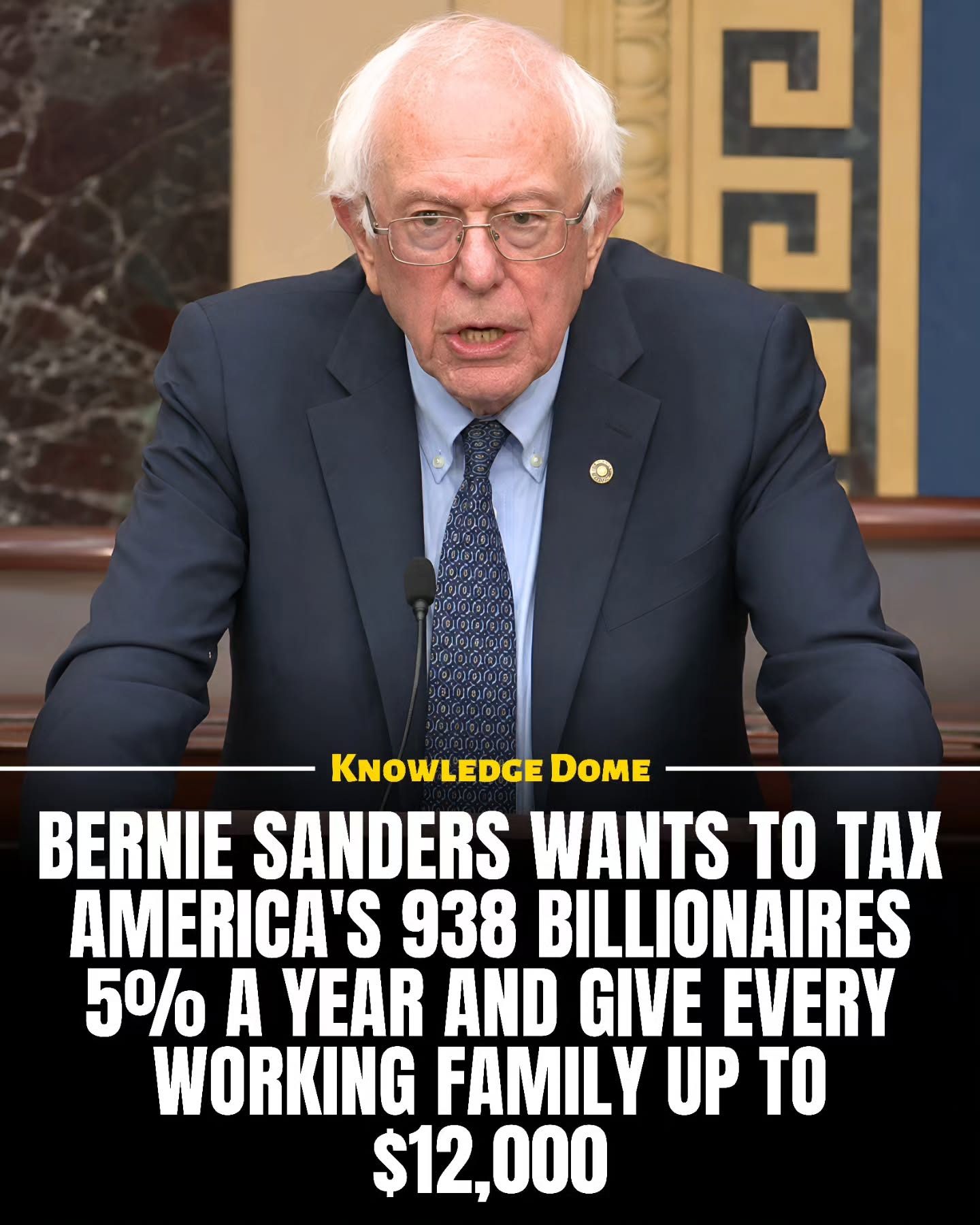
Senator Bernie Sanders and Representative Ro Khanna have proposed a bold new bill called the Make Billionaires Pay Their Fair Share Act. This legislation aims to impose a 5% yearly tax on the wealth of individuals with a net worth exceeding $1 billion. The bill's primary goal is to address economic disparities by allocating the raised funds to support working families and broader societal improvements.
Why this Matters
The proposed tax targets approximately 938 billionaires in the United States, who collectively hold around $8.2 trillion in wealth. This significant amount of money could be redirected to support ordinary families, who are currently struggling with the rising cost of living. In its first year, the bill could distribute up to $3,000 to each person in households earning $150,000 or less, providing a family of four with up to $12,000. This direct cash transfer aims to help families manage essential expenses such as food, rent, and other daily needs.
Main Discussion
The Bill’s Impact on Working Families
The bill's immediate goal is to provide financial relief to working families. By distributing funds directly to households earning $150,000 or less, the legislation aims to alleviate some of the financial pressures that many families face. The proposed $3,000 per person distribution could significantly impact households, with a family of four potentially receiving up to $12,000. This direct support could help families better manage their daily expenses and improve their overall quality of life. Supporting families in this way could also have a positive ripple effect on the broader economy, as increased disposable income often leads to higher consumer spending.
Broader Societal Changes
Beyond immediate financial support for families, the bill also outlines several broader societal changes that could be funded with the raised taxes. One key area of focus is public school teachers. The bill proposes setting a $60,000 minimum salary for public school teachers, which could help attract and retain high-quality educators. This increase in teacher salaries could also improve educational outcomes, as better-compensated teachers are more likely to stay in the profession and provide quality education.
Another significant proposal is the expansion of Medicare to cover dental, vision, and hearing care. This addition would ensure that more Americans have access to comprehensive healthcare, addressing a longstanding gap in healthcare coverage. The expansion could lead to better overall health outcomes, as preventive care is often more cost-effective than treating serious health issues that arise from lack of care.
Lastly, the bill proposes funding the construction of millions of affordable homes. The shortage of affordable housing is a pressing issue in many parts of the country, and increasing the supply of affordable homes could help alleviate this problem. Access to affordable housing is crucial for economic stability and overall well-being, as stable housing provides a foundation for families to build their lives.
Potential Challenges
While the Make Billionaires Pay Their Fair Share Act has the potential to bring about significant positive changes, there are also potential challenges to consider. One of the primary concerns is the implementation of the tax. The 5% yearly tax on billionaires' wealth would be a significant change to the current tax system, and there may be legal and administrative hurdles to overcome. Additionally, some critics may argue that a tax on wealth rather than income could disincentivize wealth creation and entrepreneurship.
Another area of concern is the distribution of the raised funds. Ensuring that the money is allocated effectively and reaches those who need it most will be crucial. There may be logistical challenges in distributing funds to a large number of households, and oversight will be necessary to prevent mismanagement or fraud.
Practical Tips
If you are interested in supporting or advocating for the Make Billionaires Pay Their Fair Share Act, here are a few practical tips:
- Stay Informed: Keep up-to-date with the latest developments and discussions surrounding the bill. Follow reliable news sources and organizations involved in economic and social policy advocacy to stay informed.
- Engage with Your Representatives: Reach out to your local representatives and express your support for the bill. Share your personal experiences and how this legislation could impact you and your community.
- Get Involved: Participate in local advocacy groups or organizations that support similar initiatives. Attending rallies, writing letters, and contributing to online discussions can amplify your voice and the cause.
Important Takeaways
The Make Billionaires Pay Their Fair Share Act represents a significant effort to address economic disparities by targeting the wealthiest individuals. By imposing a 5% yearly tax on billionaires' wealth, the legislation aims to provide immediate financial support to working families and fund broader societal improvements. The bill's proposals, including increasing teacher salaries, expanding Medicare, and building affordable homes, could have a profound impact on the lives of many Americans. However, implementing such a tax and ensuring effective distribution of funds will require careful planning and oversight.
Conclusion
The Make Billionaires Pay Their Fair Share Act is a bold proposal that aims to address economic inequalities by taxing the wealth of billionaires. The revenue generated from this tax could be used to support working families and fund significant societal improvements. While there are challenges to consider, the potential benefits make it a worthy endeavor. As discussions around this bill continue, staying informed and engaged will be crucial for ensuring that its goals are met and that its impact is maximized.
Watch the Reel
Questions readers ask
Who proposed the Make Billionaires Pay Their Fair Share Act?
Senator Bernie Sanders and Representative Ro Khanna jointly proposed this legislation. The bill aims to impose a 5% yearly tax on individuals with a net worth exceeding $1 billion.
How many people would be affected by the proposed 5% wealth tax?
The bill would target approximately 938 billionaires in the United States, who collectively hold around $8.2 trillion in wealth.
What is the primary goal of the Make Billionaires Pay Their Fair Share Act?
The bill's main objective is to address economic disparities by redistributing funds to support working families and improve societal conditions. The raised funds could help ordinary families with the rising cost of living.
How much could a family of four receive from this bill in its first year?
A family of four could receive up to $12,000 in the first year of the bill's implementation, helping to alleviate financial burdens and improve their living standards.
What is the threshold for the wealth tax proposed by Senator Sanders and Representative Khanna?
The proposed tax would apply to individuals with a net worth exceeding $1 billion, with a 5% yearly tax on the amount above this threshold.
How would the funds raised by this bill be utilized?
The funds generated from the wealth tax would be allocated to support working families and contribute to broader societal improvements, such as reducing economic disparities and enhancing living conditions.
What is the estimated number of billionaires in the United States targeted by this bill?
The bill aims to impose a tax on approximately 938 billionaires in the United States.
Recent articles
Fresh deep dives from the latest Reels we unpacked.




Comments
Be the first to comment.