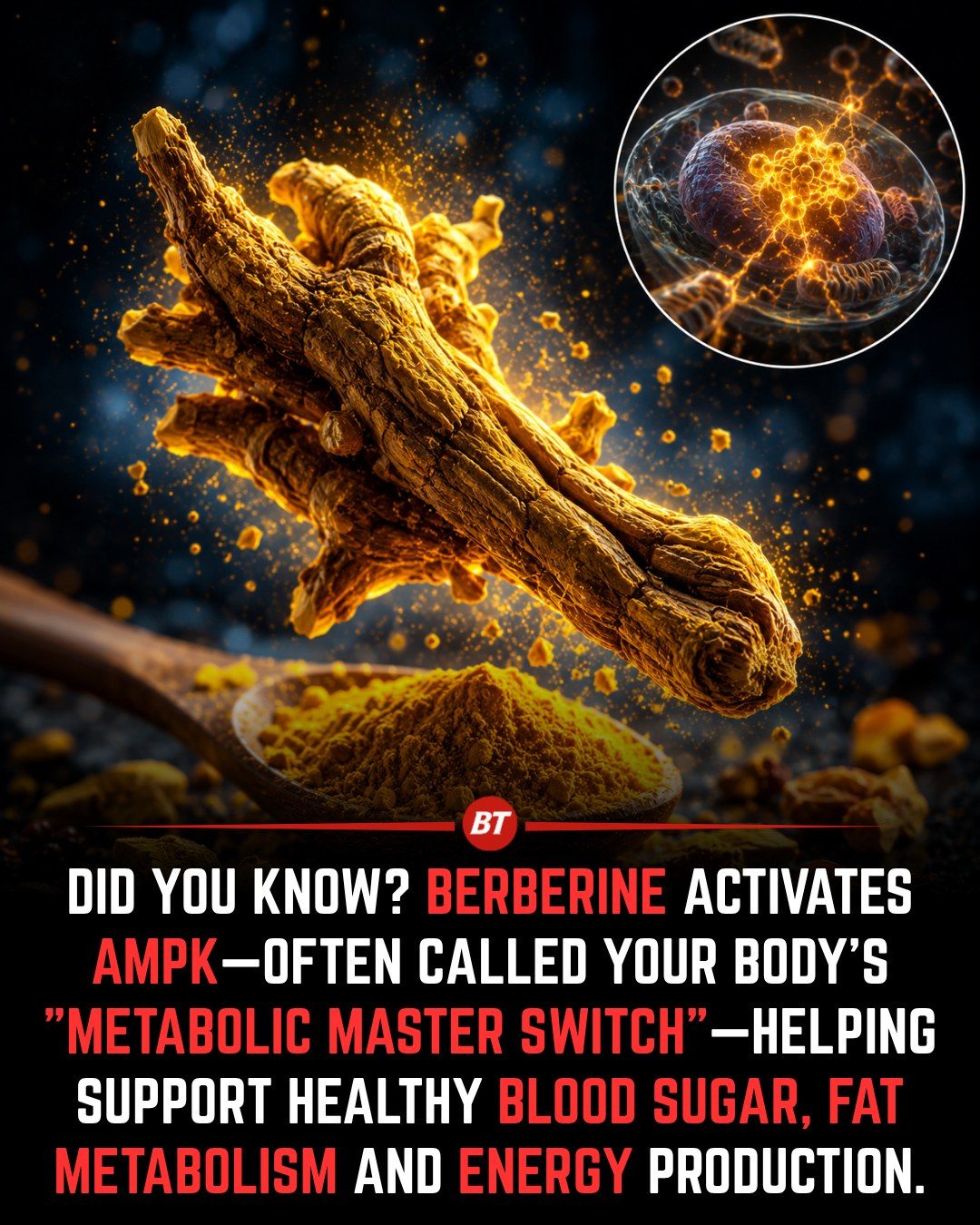
Berberine: The Natural Compound for Metabolic Health
Berberine, a natural compound found in plants like barberry, goldenseal, and Oregon grape, has gained significant attention in the field of metabolic health. This compound is notable for its ability to activate AMPK, an enzyme often referred to as the body’s "metabolic master switch." This makes berberine a valuable subject for those interested in optimizing their metabolic function and overall health.
Why This Matters
Understanding the benefits of berberine can greatly enhance one's approach to maintaining healthy blood sugar levels, improving insulin sensitivity, and promoting better fat metabolism. As more research emerges, the potential benefits of this dietary supplement become increasingly clear. When integrated into a healthy lifestyle, berberine may offer substantial support for metabolic health, making it a valuable addition for those looking to optimize their well-being.
Berberine and AMPK: The Metabolic Master Switch
What is AMPK?
AMPK, or 5' AMP-activated protein kinase, is a critical enzyme that acts as a cellular energy sensor. It plays a pivotal role in regulating how the body produces, stores, and uses energy. AMPK is activated when cells sense that energy levels are low, such as during exercise or fasting. Once activated, it encourages cells to take up more glucose from the bloodstream, burn more fatty acids for energy, and reduce unnecessary energy storage. Essentially, AMPK shifts the body from storing fuel to using it more efficiently.
Berberine and AMPK Activation
Berberine has been shown to activate AMPK, which has several downstream effects on metabolic health. When AMPK is activated, it helps to:
- Support Healthy Blood Sugar Levels: By encouraging cells to take up more glucose, berberine can help maintain balanced blood sugar levels.
- Improve Insulin Sensitivity: Enhanced glucose uptake and metabolism can improve insulin sensitivity, making it easier for cells to respond to insulin.
- Promote Healthier Fat Metabolism: Berberine's ability to activate AMPK promotes the burning of fatty acids for energy, which can support healthier fat metabolism.
Clinical Trials and Research
Several clinical trials have reported that berberine improves markers of metabolic health, particularly in individuals with type 2 diabetes or metabolic syndrome. This includes improvements in blood sugar control, insulin sensitivity, and overall metabolic function. While these findings are promising, ongoing research continues to explore the long-term effects and comparisons with lifestyle interventions and prescription medications.
Berberine's Broad Range of Benefits
Cardiovascular Health
The influence of berberine on AMPK has led researchers to investigate its potential benefits for cardiovascular health. Some studies suggest that berberine may help lower cholesterol levels, reduce inflammation, and improve overall heart function. These effects are likely mediated through AMPK activation, which can enhance energy metabolism and reduce oxidative stress.
Liver Function
Berberine's ability to support healthy liver function is another area of interest. Research indicates that it may help improve liver enzyme levels, reduce liver fat, and support overall liver health. This is particularly relevant for individuals with non-alcoholic fatty liver disease (NAFLD), a condition closely linked to metabolic syndrome.
Cellular Energy Production
By activating AMPK, berberine can enhance cellular energy production, potentially leading to increased overall energy levels and improved physical performance. This makes it particularly appealing for athletes and individuals looking to optimize their energy metabolism.
Practical Tips for Incorporating Berberine
Dosage and Administration
Berberine is typically available in supplement form, with common dosages ranging from 500 to 1500 mg per day. It's important to follow the manufacturer’s recommendations and consult with a healthcare provider to determine the appropriate dosage for your individual needs.
Combining Berberine with Lifestyle Changes
Berberine works best when combined with healthy habits, such as regular exercise, quality sleep, and a diet rich in whole foods. These lifestyle changes naturally support many of the same metabolic pathways that AMPK helps regulate.
Potential Side Effects
While berberine is generally well-tolerated, some individuals may experience side effects such as digestive discomfort, constipation, or diarrhea. If you experience any adverse effects, it's advisable to consult with a healthcare provider.
Important Takeaways
- Berberine activates AMPK, a key enzyme involved in regulating energy metabolism.
- AMPK activation helps support healthy blood sugar levels, improve insulin sensitivity, and promote healthier fat metabolism.
- Clinical trials have shown berberine's potential to improve metabolic health in individuals with type 2 diabetes or metabolic syndrome.
- Berberine's benefits extend to cardiovascular health, liver function, and overall cellular energy production.
Conclusion
Berberine stands out as a natural compound with significant potential in supporting metabolic health. Its ability to activate AMPK makes it a valuable supplement for those looking to optimize their energy metabolism, maintain healthy blood sugar levels, and support overall well-being. As research continues to unveil its benefits, berberine is increasingly recognized as a powerful tool in the realm of metabolic health supplements.
Watch the Reel
Questions readers ask
What is AMPK and why is it important for metabolic health?
AMPK, or AMP-activated protein kinase, is an enzyme that plays a crucial role in regulating metabolism. It is often called the body's 'metabolic master switch' because it helps manage energy production and usage, influencing processes like blood sugar regulation, fat metabolism, and insulin sensitivity. By activating AMPK, berberine can support these processes and promote overall metabolic health.
How does berberine help maintain healthy blood sugar levels?
Berberine activates AMPK, which in turn enhances the body's insulin sensitivity and helps regulate glucose uptake in cells. This process can assist in maintaining healthy blood sugar levels and reducing the risk of blood sugar spikes after meals. Additionally, berberine can help lower blood sugar by inhibiting certain enzymes and reducing sugar production in the liver.
In which plants is berberine naturally found?
Berberine is a natural compound found in several plants, including barberry, goldenseal, and Oregon grape. Each of these plants contains varying concentrations of berberine, which can be extracted and used for its beneficial properties.
Can berberine aid in weight management?
Yes, berberine can support weight management by enhancing fat metabolism. It activates AMPK, which promotes fat burning and inhibits fat storage. Additionally, berberine can help regulate appetite and reduce fat absorption, making it a helpful ally for those looking to lose weight or maintain a healthy weight.
How might berberine benefit energy production in the body?
By activating AMPK, berberine helps regulate cellular energy production and usage. AMPK promotes the body's cells to generate more energy by increasing the production of ATP, the primary energy currency of cells. This can lead to improved overall energy levels, especially during physical activity or periods of high energy demand.
What are the potential side effects of berberine supplementation?
While berberine is generally well-tolerated, some people may experience side effects such as digestive issues, such as constipation, diarrhea, or stomach upset, especially at higher doses. It may also interact with certain medications, including blood thinners and blood sugar-lowering drugs. Always consult a healthcare provider before starting any new supplement regimen.
Can berberine be used alongside other supplements or medications?
Berberine can potentially interact with other supplements and medications, particularly those that affect blood sugar levels or blood clotting. For example, it may enhance the effects of blood sugar-lowering drugs, leading to hypoglycemia. If you are taking any medications or supplements, it is essential to consult with a healthcare provider before adding berberine to your regimen to avoid any adverse interactions.
Related deep dives
Similar reads based on topic and creator.




Recent articles
Fresh deep dives from the latest Reels we unpacked.




Comments
Be the first to comment.