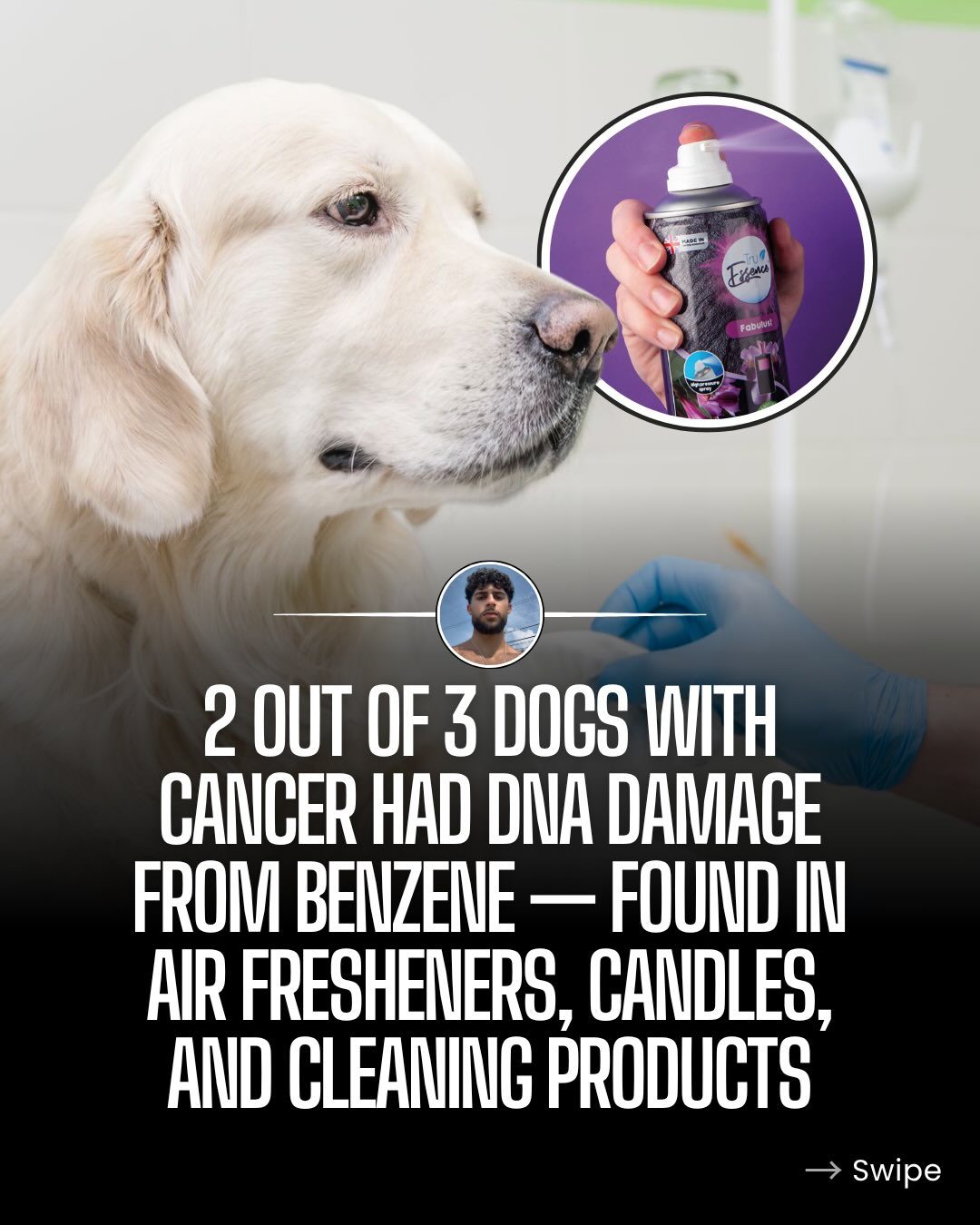
Dog Health and Benzene Exposure
The link between benzene exposure and health issues in dogs is alarming. A peer-reviewed study published in Frontiers in Veterinary Science revealed that 2 out of 3 dogs diagnosed with certain types of cancer, such as lymphoma, had been exposed to benzene at levels capable of causing DNA damage. The research identified benzene, a volatile organic compound (VOC), as directly genotoxic to canine lymphoid cells, leading to DNA strand breaks and oxidative damage.
Who this Matters To
This issue is crucial for dog owners, veterinarians, and anyone concerned about pet health and the quality of household products. Benzene exposure poses significant risks, and understanding these risks can help in making informed decisions about household items and pet safety.
Dogs and Benzene Exposure
Dogs are particularly vulnerable to benzene exposure. Dogs live closer to the ground where heavy chemical vapors naturally settle, breathe faster than humans, and frequently lick their paws. This means they absorb more of the invisible environmental toxins. Benzene is a known carcinogen that causes hematological damage, including bone marrow suppression and immune system depletion, leading to an increased risk of cancer.
Common Sources of Benzene
Benzene is commonly found in household items such as:
- Air fresheners, including Febreze air fresheners
- Synthetic air fresheners
- Scented candles
- Household cleaners
- Paints and glues
- Emissions from gas stoves
- Tobacco smoke
- Contaminated personal care products (e.g., aerosol dry shampoos, deodorants)
Indoor air can become contaminated with benzene through these sources, and outdoor tracking of gasoline fumes, motor vehicle exhaust, and industrial pollution can also contribute to benzene levels in the home.
How Benzene Affects Dogs
Once benzene is absorbed, it undergoes metabolic activation in the liver and moves into the bone marrow, where it acts as a carcinogen. Chronic exposure can lead to severe hematological damage, including bone marrow suppression, a depleted immune system, and an increased risk of blood-related malignancies like leukemia in humans and malignant lymphoma in dogs.
Practical Tips for Reducing Benzene Exposure
Improving Indoor Air Quality
-
Ventilation: Ensure proper ventilation in your home by opening windows and using exhaust fans in kitchens and bathrooms. This helps to disperse chemical vapors and reduce their concentration indoors.
-
Avoidance: Limit the use of products that contain benzene, such as synthetic air fresheners, scented candles, and certain household cleaners.
-
Natural Alternatives: Opt for natural air fresheners, such as essential oil diffusers or plants, and consider using non-toxic cleaning products.
Safe Storage and Usage
-
Storage: Store products containing benzene, such as paints, glues, and cleaning supplies, in a well-ventilated area away from living spaces. Ensure containers are tightly sealed to prevent vapors from escaping.
-
Usage: When using products that contain benzene, work in a well-ventilated area and follow the manufacturer's instructions for proper usage and disposal.
Regular Cleaning Routines
-
Floors and Surfaces: Regularly clean floors and surfaces with non-toxic cleaners to reduce the buildup of chemical residues. Pay special attention to areas where pets spend a lot of time.
-
Paws and Coats: Wipe your dog's paws and coat with a damp cloth or pet-safe wipe after outdoor walks. This helps to remove any contaminants, including benzene, that they may have picked up.
Important Takeaways
- Benzene exposure is a significant health risk for dogs, particularly those with cancer.
- Common household items, such as air fresheners, scented candles, and cleaning products, can release benzene.
- Dogs' proximity to the ground, faster breathing, and paw licking make them more vulnerable to benzene exposure.
- Improving indoor air quality, avoiding products containing benzene, and regular cleaning can help reduce exposure.
Conclusion
Understanding the risks of benzene exposure and taking proactive measures to reduce it can significantly improve the health and well-being of your dog. By making informed choices about household products, ensuring proper ventilation, and maintaining a clean environment, you can create a safer space for your furry friends and your family. If you suspect your dog has been exposed to benzene, consult your veterinarian for guidance and support.
Watch the Reel
Questions readers ask
What are the most common symptoms of benzene exposure in dogs?
Symptoms of benzene exposure in dogs can be subtle and may include lethargy, reduced appetite, vomiting, and difficulty breathing. In severe cases, dogs may exhibit neurological symptoms such as seizures or muscle tremors. If you suspect your dog has been exposed to benzene, it is crucial to consult a veterinarian immediately.
Which household items commonly contain benzene?
Benzene can be found in a variety of household items, including certain cleaning products, pesticides, paints, and even some air fresheners. It is also present in the fumes from burning candles and cigarettes. Additionally, benzene can contaminate air near industrial areas or heavily trafficked roads.
Why are dogs more susceptible to benzene than humans?
Dogs are more susceptible to benzene due to their smaller size, faster metabolism, and closer proximity to the ground where pollutants often accumulate. Their behavior, such as sniffing and licking surfaces, also increases their exposure to benzene. These factors combined make dogs more vulnerable to the toxic effects of benzene.
What types of cancer in dogs are linked to benzene exposure?
Benzene exposure is particularly linked to an increased risk of lymphoma and other cancers in dogs. Research has shown that dogs exposed to benzene at levels capable of causing DNA damage are more likely to develop these serious health conditions, highlighting the importance of minimizing benzene exposure.
Can benzene exposure in dogs be prevented?
Yes, benzene exposure in dogs can be mitigated by choosing household products labeled as 'benzene-free' and ensuring proper ventilation when using products that may contain benzene. Keeping dogs away from areas with heavy traffic or industrial emissions and avoiding the use of scented candles and air fresheners can also reduce exposure. Regularly cleaning surfaces and washing your dog's paws after outdoor activities can further help minimize risk.
What should I do if I suspect my dog has been exposed to benzene?
If you suspect your dog has been exposed to benzene, monitor for symptoms and consult your veterinarian immediately. Early detection and intervention can significantly improve your dog's health outcomes. Provide your veterinarian with details about potential exposure to help guide appropriate testing and treatment.
How does benzene in candles pose a risk to dogs?
Candles, particularly those made from paraffin and containing synthetic fragrances, can release benzene and other volatile organic compounds (VOCs) into the air. Dogs, with their keen sense of smell and close proximity to the ground, are more likely to inhale these harmful pollutants, increasing their risk of benzene-related health issues.
Recent articles
Fresh deep dives from the latest Reels we unpacked.




Comments
Be the first to comment.