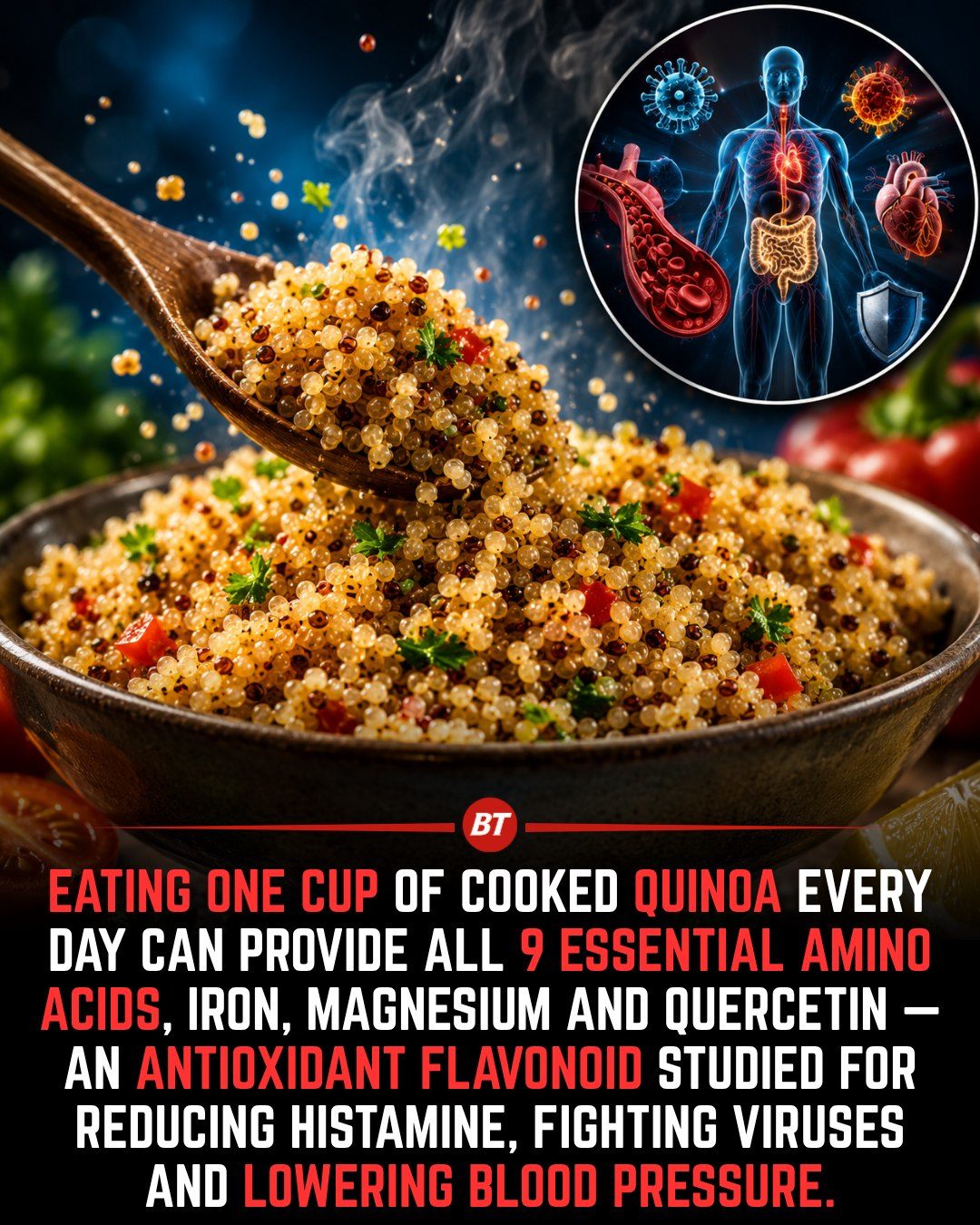
Quinoa: A Nutrient-Packed Powerhouse
Quinoa is a versatile and nutritious grain that has gained popularity in recent years, and for good reason. This small, bead-like seed is packed with essential nutrients that offer a wide range of health benefits. Quinoa's nutritional profile makes it an excellent choice for anyone looking to boost their diet with complete protein, essential minerals, and powerful antioxidants.
Why Quinoa Matters
Quinoa stands out among other grains due to its impressive nutritional content. Unlike most grains, quinoa is one of the few plant foods that naturally provides all nine essential amino acids. This makes it a complete protein, which is crucial for building and repairing muscle, producing enzymes and hormones, and supporting immune function. Quinoa is thus a favorite among athletes, vegetarians, and anyone aiming to improve the quality of their dietary protein.
Moreover, quinoa is a rich source of magnesium, a mineral involved in over 300 biochemical reactions in the body. Magnesium is essential for muscle contraction, nerve function, blood sugar regulation, and maintaining healthy blood pressure. Quinoa also contains iron, which helps red blood cells carry oxygen throughout the body, supporting energy production.
Quinoa's Nutritional Powerhouse
Complete Protein and Essential Amino Acids
Quinoa's ability to provide all nine essential amino acids makes it an invaluable addition to any diet. Essential amino acids are those that the body cannot produce on its own and must obtain from food. These amino acids are necessary for various bodily functions, including muscle growth, tissue repair, and the production of enzymes and hormones. Quinoa's complete protein profile makes it an excellent choice for vegetarians and vegans who may struggle to get all the necessary amino acids from their diet.
Magnesium and Iron
Quinoa is a rich source of magnesium, a mineral that plays a crucial role in many bodily processes. Magnesium is involved in muscle contraction, nerve function, blood sugar regulation, and maintaining healthy blood pressure. Adequate magnesium intake is essential for overall health and well-being. Additionally, quinoa provides iron, which is vital for the production of red blood cells and the transport of oxygen throughout the body. Iron deficiency can lead to fatigue and weakness, making quinoa a valuable addition to the diet for maintaining energy levels.
Quercetin and Antioxidants
Beyond its vitamins and minerals, quinoa naturally contains quercetin, a potent antioxidant and anti-inflammatory flavonoid. Quercetin has been studied extensively for its potential health benefits, including reducing histamine, fighting viruses, and lowering blood pressure. Recent research has highlighted quercetin's ability to support healthy blood pressure, reduce oxidative stress, and influence histamine release. While more human studies are needed to confirm these effects, the initial findings are promising.
Experts are also exploring the antiviral properties of quercetin, suggesting that it may help the body fight off various viruses. While more research is needed in this area, the existing evidence points to quercetin's potential as a powerful antioxidant and anti-inflammatory compound.
Practical Tips for Cooking and Incorporating Quinoa
Rinsing and Cooking
To prepare quinoa, start by rinsing it thoroughly to remove its natural bitter coating called saponin. This step is essential to remove any bitterness and ensure a pleasant taste. Cook the quinoa with two parts water or low-sodium broth for about 15 minutes. The cooked quinoa can then be used as a base for various dishes, including grain bowls, salads, stir-fries, or paired with grilled chicken, fish, beans, and roasted vegetables.
Versatile Recipes
Quinoa's versatility makes it easy to incorporate into a wide range of meals. Here are a few ideas to get you started:
- Grain Bowls: Combine cooked quinoa with your favorite vegetables, a protein source like grilled chicken or tofu, and a flavorful dressing. This makes for a nutritious and satisfying meal.
- Salads: Mix quinoa with fresh greens, cherry tomatoes, cucumbers, and a lemon vinaigrette for a refreshing salad.
- Stuffed Vegetables: Use quinoa as a filling for stuffed bell peppers, zucchini boats, or other vegetables.
- Baked Goods: Quinoa flour can be used in baking to add a nutty flavor and extra nutrients to bread, muffins, and other baked goods.
Important Takeaways
Quinoa is a nutritional powerhouse that offers numerous health benefits. Its complete protein profile, rich magnesium and iron content, and powerful antioxidant properties make it an excellent addition to any diet. By incorporating quinoa into your meals, you can support muscle growth, immune function, blood sugar regulation, and overall health.
Conclusion
Quinoa's impressive nutritional content and versatility make it a valuable addition to any diet. Whether you're an athlete looking to enhance your performance, a vegetarian seeking a complete protein source, or simply someone aiming to improve their overall health, quinoa offers a range of benefits that can support your goals.
Watch the Reel
Questions readers ask
What makes quinoa a complete protein?
Quinoa is considered a complete protein because it contains all nine essential amino acids, which are the building blocks of protein. These amino acids are crucial for various bodily functions, including muscle repair and growth, enzyme and hormone production, and supporting a healthy immune system.
How does quinoa support muscle function and energy production?
Quinoa supports muscle function and energy production through its rich content of magnesium and iron. Magnesium is essential for muscle contractions and nerve function, while iron is crucial for producing energy by carrying oxygen in the blood. A one-cup serving of cooked quinoa provides a significant amount of both minerals.
What are the benefits of quinoa's antioxidant properties?
Quinoa is rich in antioxidants, such as quercetin, which can help combat inflammation and oxidative stress in the body. This makes quinoa a great addition to a diet aimed at reducing the risk of chronic diseases and supporting overall health. Antioxidants help neutralize harmful free radicals, promoting better health at a cellular level.
What are the benefits of quinoa for blood pressure?
Quinoa is naturally gluten-free and low in sodium, making it a beneficial choice for those looking to manage blood pressure. Additionally, the high levels of magnesium and potassium in quinoa can help regulate blood pressure by promoting vasodilation, which can improve overall cardiovascular health.
What are the benefits of cooking quinoa compared to other grains?
Cooked quinoa offers a superior nutritional profile compared to other grains. It is one of the few plant foods that provide complete protein and are a great source of essential minerals like iron, magnesium, and potassium. Plus, it has a relatively low glycemic index, making it a suitable choice for managing blood sugar levels.
What are the benefits of quinoa for those with histamine intolerance?
Quinoa is generally considered low in histamine, which can be beneficial for individuals with histamine intolerance. It can be a useful addition to a low-histamine diet, helping to reduce symptoms such as headaches, skin irritation, and digestive issues. However, it's still important to consult with a healthcare provider for personalized advice.
What is the nutritional content of a one-cup serving of cooked quinoa?
A one-cup serving of cooked quinoa provides a substantial amount of nutrients, including about 8 grams of protein, 5 grams of fiber, and a significant portion of daily recommended intake for minerals like magnesium, iron, potassium, and folate. This makes quinoa a highly nutritious choice for a balanced diet.
Related deep dives
Similar reads based on topic and creator.




Recent articles
Fresh deep dives from the latest Reels we unpacked.




Comments
Be the first to comment.