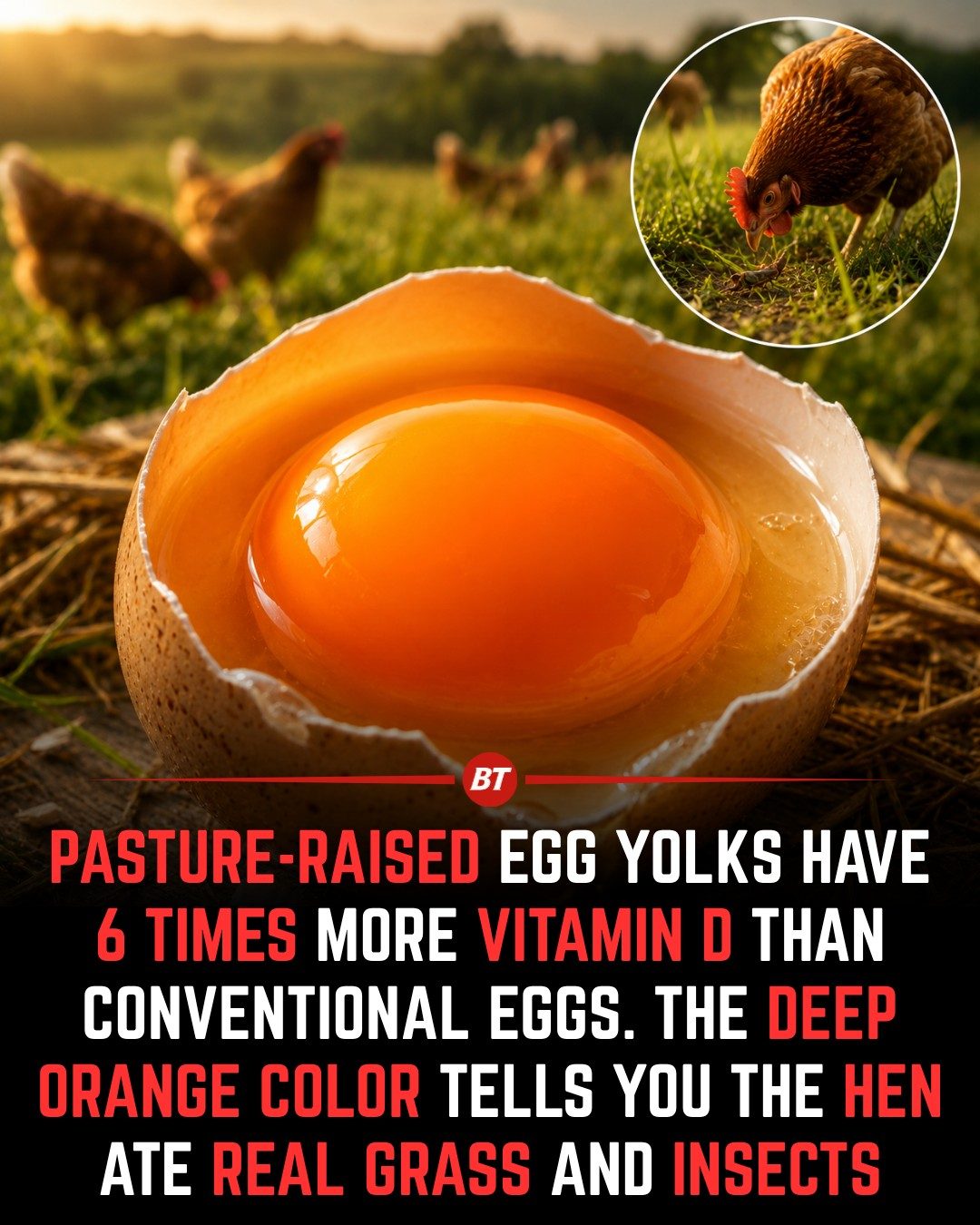
Pasture-Raised Eggs: The Nutritional Powerhouse
Egg yolks, especially those from pastaured hens, can reveal a wealth of information about the hen's diet and living conditions. The deep orange color of a yolk isn't just visually appealing; it's a nutritional treasure.
Why this matters
The way hens are raised significantly impacts the nutritional content of their eggs. Hens that spend time outdoors foraging on grass, seeds, insects, and diverse plants often produce yolks with a deeper orange color. This rich color comes from naturally occurring pigments called carotenoids, which are transferred from the hen's food into the egg yolk. Pasture-raised eggs often contain higher levels of vitamin D, omega-3 fats, vitamin E, and carotenoids, compared to conventional eggs.
Nutritional Benefits of Pasture-Raised Eggs
Pasture-raised egg yolks are notably higher in vitamin D. Vitamin D is crucial for various bodily functions, including immune support, bone health, and overall wellness. The deep orange color of the yolk indicates that the hen has consumed a diverse natural diet, which includes grass and insects. This diet is rich in carotenoids, which contribute to the vibrant color and provide additional health benefits.
Vitamin D Levels
Pasture-raised eggs can have six times more vitamin D than conventional eggs. This is because hens synthesize vitamin D when exposed to sunlight. Access to the outdoors allows hens to produce eggs with significantly higher vitamin D content.
Carotenoids and Eye Health
Carotenoids such as lutein and zeaxanthin are particularly valuable. These compounds help protect the retina from oxidative stress and support long-term vision health. The deep orange yolk indicates a higher concentration of these beneficial nutrients, making pasture-raised eggs a vital addition to a health-conscious diet.
Omega-3 Fats and Vitamin E
In addition to vitamin D and carotenoids, pasture-raised eggs often contain higher levels of omega-3 fats and vitamin E. Omega-3 fats are essential for heart health and reducing inflammation, while vitamin E acts as a powerful antioxidant, supporting immune function and overall wellness.
How to Identify Pasture-Raised Eggs
When shopping for eggs, look for those labeled "pasture-raised." These eggs are more likely to come from hens that have access to outdoor spaces and a diverse diet. Comparing the yolk color can also be a helpful indicator. Deep golden-orange yolks often signify a more natural and nutrient-rich diet for the hen.
Practical Tips for Incorporating Pasture-Raised Eggs
Cooking with Pasture-Raised Eggs
Pasture-raised eggs are incredibly versatile and can be used in various recipes. From omelets and scrambled eggs to baking and dessert, these eggs add a rich, flavorful touch to any dish. Their higher nutritional content makes them an excellent choice for health-conscious individuals and those looking to boost their nutrient intake.
Storing Pasture-Raised Eggs
To maintain the freshness and nutritional value of pasture-raised eggs, store them in the refrigerator. Keep them in their original carton to protect them from absorbing odors from other foods. Eating eggs within a few weeks of purchase ensures you get the most out of their nutritional benefits.
Important Takeaways
- The color of an egg yolk can reveal a lot about the hen's diet and living conditions.
- Pasture-raised egg yolks have higher levels of vitamin D, omega-3 fats, vitamin E, and carotenoids.
- A deep orange yolk indicates a more natural and diverse diet for the hen, which translates to higher levels of beneficial nutrients.
- Look for eggs labeled "pasture-raised" and compare the yolk color to ensure you're getting the most nutrient-dense eggs.
Conclusion
Pasture-raised eggs offer a wealth of nutritional benefits that go beyond conventional eggs. The deep orange yolk is a visual cue of the hen's outdoor lifestyle and diverse diet, which translates to higher levels of vitamin D, omega-3 fats, vitamin E, and carotenoids. By incorporating pasture-raised eggs into your diet, you can support your immune function, bone health, eye health, and overall wellness.
Watch the Reel
Questions readers ask
Why are pasture-raised eggs often more vibrant in color?
Pasture-raised eggs often have a deeper, more vibrant orange yolk due to the hens' diet, which includes a variety of plants, seeds, and insects rich in carotenoids. These pigments are transferred from the hen's food into the egg yolk, enhancing its color and nutritional profile.
How does the diet of pasture-raised hens impact the nutritional content of their eggs?
The diverse diet of pasture-raised hens, which includes grass, seeds, insects, and plants, leads to eggs that are higher in essential nutrients like vitamin D, omega-3 fats, and carotenoids. This is because the hens' access to a variety of natural foods enriches the nutritional content of their eggs.
What are the key nutritional benefits of pasture-raised eggs compared to conventional eggs?
Pasture-raised eggs often contain higher levels of vitamin D, omega-3 fatty acids, and carotenoids. These nutrients support bone health, heart health, and eye health, making pasture-raised eggs a superior choice for those seeking a more nutrient-dense source of protein.
Do pasture-raised hens produce eggs with more vitamin D?
Yes, pasture-raised hens that spend time outdoors and have access to natural sunlight produce eggs with higher levels of vitamin D. The vitamin D in pasture-raised eggs can significantly contribute to your daily vitamin D intake, supporting overall health and well-being.
Why are omega-3s important in pasture-raised eggs, and how are they obtained by hens?
Omega-3 fatty acids are crucial for heart health and brain function. Pasture-raised hens obtain omega-3s from their natural diet, which includes seeds, insects, and plants. These nutrients are then transferred to the eggs, making them a valuable source of omega-3s for consumers.
How does the outdoor environment benefit the nutritional content of pasture-raised eggs?
The outdoor environment provides pasture-raised hens with access to natural sunlight, which increases the vitamin D content in their eggs. Additionally, the diversity of foods available outdoors (such as grass, seeds, and insects) enriches the eggs' nutritional content, particularly with carotenoids and omega-3 fats.
What are the benefits of choosing pasture-raised eggs over conventional eggs?
Choosing pasture-raised eggs means opting for a more nutrient-dense food source. These eggs are richer in vitamin D, omega-3 fats, and carotenoids, which support various aspects of health, including bone, heart, and eye health. Additionally, the vibrant yolk color is a visual indicator of the hen's healthy, natural diet.
Related deep dives
Similar reads based on topic and creator.




Recent articles
Fresh deep dives from the latest Reels we unpacked.




Comments
Be the first to comment.