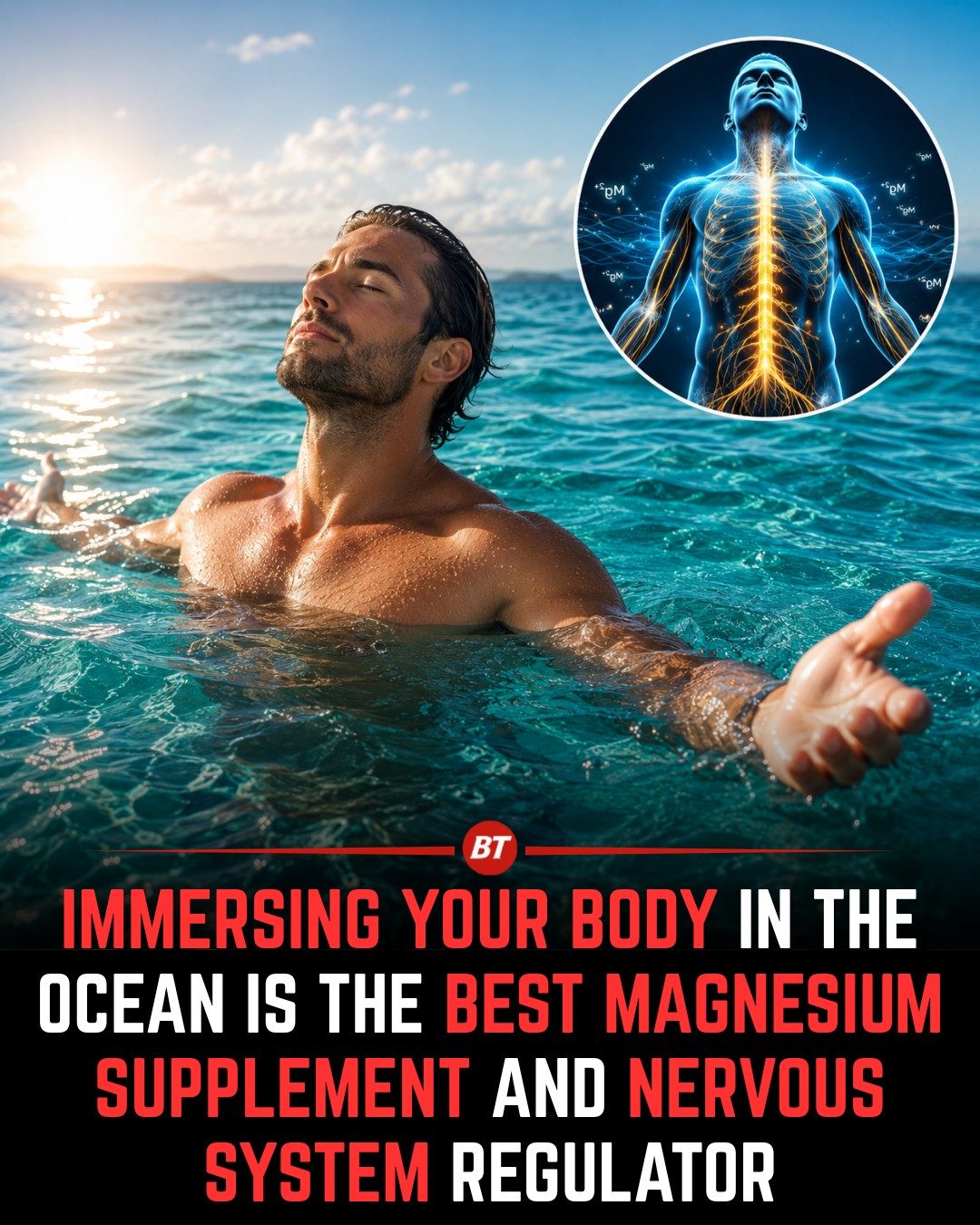
Ocean Therapy: The Benefits of Immersion in Seawater
Ocean immersion offers a range of benefits that go beyond simply cooling off. For centuries, people have practiced thalassotherapy, the therapeutic use of seawater, for relaxation and recovery. Modern research suggests good reasons why this practice has endured. Ocean water is naturally rich in minerals like magnesium, potassium, and calcium. The cool water, gentle waves, and natural environment work together to activate the parasympathetic nervous system, which is the body's "rest and recover" mode.
Why This Matters
Ocean swimming has been associated with improved mental well-being, better sleep, reduced stress, and faster recovery after physical activity. It is one of nature's simplest wellness habits, offering a refreshing way to support both body and mind. Regular immersion in the ocean can be a powerful tool for maintaining overall health and well-being.
The Benefits of Ocean Immersion
Magnesium and Mineral Absorption
The ocean is a rich source of many beneficial minerals. Magnesium, in particular, is a major focus of interest. While seawater does contain magnesium, scientists have not yet confirmed that enough is absorbed during swimming to significantly increase the body's magnesium levels. However, the presence of magnesium in seawater may still contribute to overall health benefits. Additionally, the cool water, gentle waves, and natural environment work together in a way that activates the body's parasympathetic nervous system, promoting relaxation and recovery.
Parasympathetic Nervous System Activation
The parasympathetic nervous system is responsible for the body's "rest and digest" functions. Activating this system can help lower stress levels, improve mood, and reduce feelings of fatigue. Cold or cool-water immersion has been shown to help in these areas, making ocean swimming an effective way to achieve these benefits.
Physical and Mental Well-Being
Ocean swimming offers multiple physical benefits, such as improved sleep and faster recovery after exercise. The combination of cool water, physical activity, buoyancy, and time spent in nature contributes to these benefits. Additionally, the mental well-being aspect is significant. Being surrounded by nature and engaging in physical activity can lift your mood and leave you feeling refreshed long after you leave the water.
Practical Tips
If you live near the coast, consider incorporating ocean immersion into your wellness routine. Here are some practical tips to get started:
Safety First
Always ensure that conditions are safe for swimming. Check the weather, water temperature, and local conditions before entering the water. It's also a good idea to swim with a buddy or in areas where lifeguards are present.
Duration
Aim for 15-30 minutes of swimming or walking in the ocean. This duration is long enough to reap the benefits of the parasympathetic nervous system activation and mineral exposure, but not so long that it becomes uncomfortable or dangerous.
Combine with Other Activities
To maximize the benefits, combine your ocean swim with other activities. For example, spend some time sunbathing or walking on the beach. The combination of sunlight, movement, and fresh sea air can enhance the overall experience and well-being.
Mindfulness
Pay attention to your surroundings and the sensations of the water on your skin. Being mindful during your swim can enhance the mental health benefits and help you feel more connected to the natural environment.
Alternatives
If ocean swimming isn't an option, consider other forms of water immersion, such as cold-water therapy or using a saltwater spa. While these may not offer the same level of benefits as swimming in the ocean, they can still provide some of the physical and mental benefits associated with thalassotherapy.
Important Takeaways
Ocean therapy offers a multitude of benefits for both physical and mental health. The combination of mineral-rich water, cool temperatures, and a natural environment can activate the parasympathetic nervous system, reduce stress, and improve mood. Regular ocean immersion can be a powerful tool for maintaining overall well-being. While the exact mechanisms behind these benefits are still being studied, the evidence suggests that incorporating ocean swimming into your wellness routine can have a positive impact on your health.
Conclusion
Ocean therapy is a simple, natural way to support both your body and mind. Whether you're looking to reduce stress, improve mental well-being, or simply enjoy the natural environment, immersing yourself in the ocean can offer a range of benefits. By following practical tips and being mindful during your swims, you can maximize the positive effects of thalassotherapy.
Watch the Reel
Questions readers ask
What is ocean immersion and how does it benefit my body?
Ocean immersion, also known as thalassotherapy, involves submerging yourself in seawater. This practice benefits your body by activating the parasympathetic nervous system, promoting relaxation, and aiding in recovery. The minerals in seawater, such as magnesium and potassium, contribute to overall physical and mental well-being.
How does ocean immersion affect my nervous system?
Ocean immersion stimulates the parasympathetic nervous system, often referred to as the body's 'rest and recover' mode. This helps to counteract the sympathetic nervous system, which governs the 'fight or flight' response, promoting a state of calm and reducing stress levels.
What are the benefits of magnesium in seawater for my mood?
Magnesium is a crucial mineral found in seawater that plays a significant role in regulating mood. It helps to relax muscles, reduce anxiety, and improve sleep quality, all of which can contribute to a more positive and balanced emotional state.
Can swimming in cold ocean water improve my sleep?
Yes, swimming in cold ocean water can improve sleep by lowering your body temperature and triggering the release of melatonin, a hormone that regulates sleep. The relaxation induced by cold water immersion can also help to alleviate stress and anxiety, making it easier to fall asleep and enjoy better quality rest.
How does ocean immersion help in recovery after physical activity?
Ocean immersion aids in recovery after physical activity by reducing inflammation, alleviating muscle soreness, and promoting relaxation. The combination of cool water, gentle waves, and natural minerals in seawater helps to soothe tired muscles and accelerate the body's natural healing processes.
What are the benefits of ocean water therapy for my mental well-being?
Ocean water therapy can improve mental well-being by reducing stress, anxiety, and depression. The combination of the cool water, the natural environment, and the minerals in seawater can create a calming effect on the mind, helping to clear thoughts and promote a sense of tranquility.
Is ocean immersion therapy suitable for everyone?
While ocean immersion therapy can be beneficial for many, it is not suitable for everyone. Those with certain medical conditions, such as heart problems or open wounds, should consult a healthcare professional before trying ocean immersion. Additionally, it's important to be aware of local water conditions and safety guidelines.
Related deep dives
Similar reads based on topic and creator.




Recent articles
Fresh deep dives from the latest Reels we unpacked.




Comments
Be the first to comment.