Nasal Breathing Benefits
Nasal breathing, the body's preferred respiratory pathway, offers numerous advantages over mouth breathing. Beyond simply inhaling and exhaling, nasal breathing engages the body's intricate protective mechanisms to filter, warm, and humidify the air before it reaches the lungs.
Why This Matters
Understanding the benefits of nasal breathing can significantly improve overall health and respiratory efficiency. By harnessing the natural functions of the nose, individuals can experience better oxygen uptake, enhanced immune defense, and improved sleep quality.
Main Discussion
The Filtration System
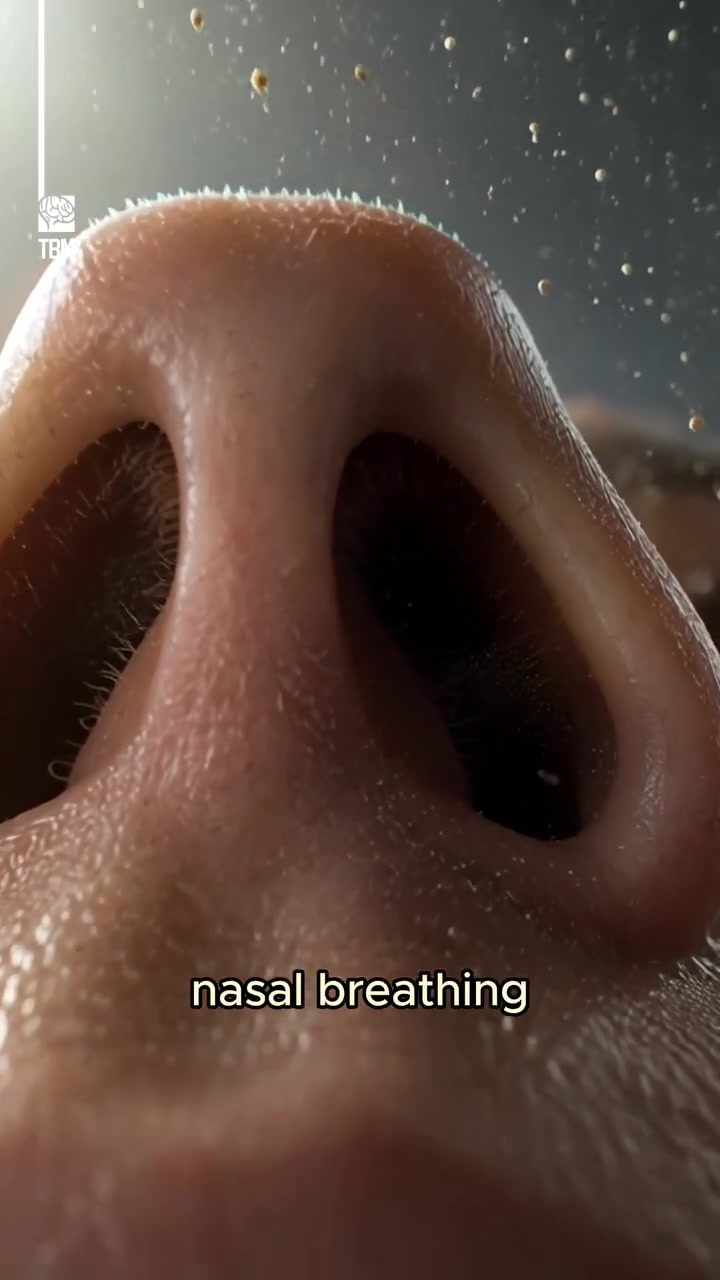
One of the primary advantages of nasal breathing is its built-in filtration system. The nose is equipped with tiny hairs and mucous membranes that act as a barrier, trapping dust, allergens, and microorganisms before they can enter the lungs. This natural filter helps to keep the respiratory system clean and reduces the risk of infections and respiratory issues.
Nitric Oxide Production
Nasal breathing also facilitates the production of nitric oxide within the sinuses. This molecule plays a crucial role in dilating blood vessels, which improves oxygen transport and enhances the efficiency of oxygen uptake in the lungs. Studies have shown that nasal breathing can increase oxygen utilization compared to mouth breathing, making it a more effective respiratory method.
Warms and Humidifies Air
The nose serves as a natural humidifier and heater. As air passes through the nasal passages, it is warmed and moistened to match the body's internal conditions. This process is vital for maintaining respiratory health, as dry air can irritate the lungs and airways, leading to discomfort and potential health issues.
Enhanced Oxygen Transport
The production of nitric oxide in the sinuses is a unique benefit of nasal breathing. This molecule helps to dilate blood vessels, improving oxygen transport and enhancing the efficiency of oxygen uptake in the lungs. This enhanced oxygen transport can lead to better overall health, increased energy levels, and improved physical performance.
Contrast with Mouth Breathing
Mouth breathing, on the other hand, bypasses these protective mechanisms. Without the filtration, warming, and humidification provided by the nose, mouth breathing can lead to a range of issues, including dry mouth, increased risk of dental problems, disturbed sleep, and reduced respiratory efficiency. Over time, chronic mouth breathing can contribute to chronic respiratory conditions and overall poor health.
Practical Tips
Nasal Breathing Exercises
Incorporating nasal breathing exercises into your daily routine can help improve respiratory health and efficiency. One effective exercise is the "Nasal Dilation Breathing" technique, which involves inhaling deeply through the nose, holding the breath for a few seconds, and then exhaling slowly through the nose.
Proper Breathing During Exercise
During physical activities, maintaining nasal breathing can be challenging but beneficial. Focus on inhaling and exhaling through the nose, even during intense exercises. This practice can help improve oxygen uptake and enhance physical performance.
Addressing Mouth Breathing
If you find yourself mouth breathing, especially during sleep, consider using nasal strips or dilators to help keep your nasal passages open. Addressing any underlying nasal congestion or allergies can also help promote nasal breathing.
Important Takeaways
Health Benefits
Nasal breathing offers a range of health benefits, including improved filtration, enhanced oxygen transport, and better respiratory efficiency. By harnessing the natural functions of the nose, individuals can experience better overall health and reduced risk of respiratory issues.
Long-Term Respiratory Health
Promoting nasal breathing can lead to long-term respiratory health benefits, such as reduced risk of infections, improved sleep quality, and enhanced physical performance. Incorporating nasal breathing exercises and addressing any underlying issues can help maximize these benefits.
Practical Applicability
Nasal breathing exercises and practical tips can be easily incorporated into daily routines, making it an accessible and effective way to improve respiratory health. Whether during physical activities or daily routines, focusing on nasal breathing can lead to significant health improvements.
Conclusion
The nose is not just an organ for inhaling and exhaling; it is a vital component of the respiratory system, designed to filter, warm, and protect every breath. By understanding and embracing the benefits of nasal breathing, individuals can enhance their overall health, improve respiratory efficiency, and experience a range of long-term health benefits. Incorporating nasal breathing exercises and practical tips into daily routines can help maximize these benefits and promote better respiratory health.
Watch the Reel
Questions readers ask
What are the key benefits of nasal breathing over mouth breathing?
Nasal breathing offers several benefits, including enhanced oxygen uptake, improved filtration of incoming air, and better protection against respiratory infections. Unlike mouth breathing, it warms and humidifies the air, making it easier on the lungs.
How does nasal breathing protect against respiratory issues?
Nasal breathing helps protect against respiratory issues by filtering out particles and allergens through tiny hairs and mucous membranes. This reduces the amount of irritants entering the lungs, lowering the risk of respiratory infections and inflammation.
Can nasal breathing improve sleep quality?
Yes, nasal breathing can significantly improve sleep quality. It helps maintain open airways, reduces snoring, and promotes better oxygen saturation during sleep, leading to more restful and uninterrupted sleep.
What are some techniques to improve nasal breathing?
Techniques to improve nasal breathing include practicing nasal breathing exercises, such as alternate nostril breathing, and using saline rinses to clear nasal passages. Maintaining a consistent nasal breathing habit, especially during physical activities, can also enhance overall breathing efficiency.
How does nasal breathing affect blood vessels and circulation?
Nasal breathing can positively impact blood vessels and circulation by promoting nitric oxide production, a vasodilator that helps widen blood vessels. This can lead to improved blood flow, reduced blood pressure, and better overall cardiovascular health.
Why is it important to breathe through the nose during exercise?
Breathing through the nose during exercise helps regulate the volume of air intake, prevents over-breathing, and ensures optimal oxygen exchange. This can enhance endurance, improve lung function, and prevent the drying out of airways that can occur with mouth breathing.
Can nasal breathing help reduce the risk of infections?
Yes, nasal breathing can help reduce the risk of infections. The nose acts as a natural barrier, trapping and filtering out pathogens and irritants before they reach the lungs. This, combined with the humidification and warming of the air, creates an environment less conducive to respiratory infections.
Related deep dives
Similar reads based on topic and creator.

Recent articles
Fresh deep dives from the latest Reels we unpacked.




Comments
Be the first to comment.