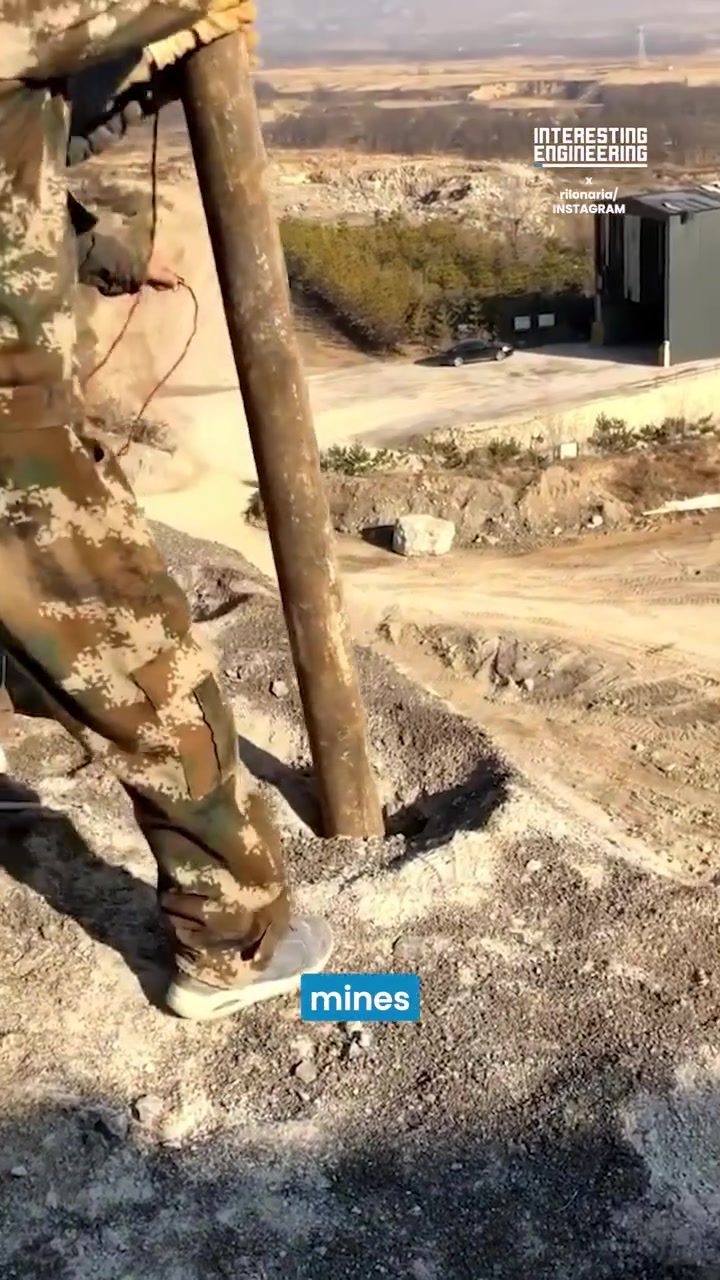
Controlled Rock Breaking
Controlled rock breaking is a sophisticated method used in open-pit mines to replace traditional explosives with a more efficient and safer technique. This method involves using a liquid oxygen gas expansion system that fractures rock through rapid pressure expansion, as opposed to the conventional high-energy detonation. This approach has several advantages, including reduced vibration, noise, and flying debris, which collectively enhance worker safety and operational efficiency.
Why this Matters
The shift from traditional explosives to controlled rock breaking systems is significant for several reasons. Primarily, it addresses the growing concerns about worker safety in mining operations. Traditional explosives can cause significant ground shock, noise, and flying debris, posing risks to workers and the surrounding environment. By contrast, the liquid oxygen gas expansion system offers a more controlled and predictable method of rock fragmentation.
Main Discussion
The Science Behind Liquid Oxygen Gas Expansion
The liquid oxygen gas expansion system works by injecting liquid oxygen into a rock, where it rapidly expands and creates a controlled fracture. This process is triggered by the sudden release of oxygen, which expands rapidly and exerts pressure on the rock, causing it to break along predefined lines. Unlike explosives, this method does not result in uncontrolled detonation, making it safer for the environment.
Benefits of Controlled Rock Breaking
Enhanced Worker Safety
One of the most significant advantages of this method is the reduction in ground shock, noise, and flying debris. This controlled process improves worker safety by minimizing the risk of injuries caused by flying rock fragments and reducing the overall noise pollution in mining sites.
Efficiency in Rock Splitting
The system supports efficient daily quarry production by delivering controlled rock splitting. This method ensures that rocks are fractured in a controlled manner, making the extraction process more predictable and efficient. Operators can meet strict mining safety requirements more easily, as the controlled process reduces the risk of unexpected rock falls and other hazards.
Environmental Impact
The low-vibration method not only improves worker safety but also has a positive environmental impact. By reducing ground shock and noise, the system helps to minimize disturbances to the surrounding ecosystem. This is particularly important in areas where mining operations are located near residential or ecologically sensitive zones.
Practical Considerations
Equipment and Setup
The equipment used in controlled rock breaking typically includes a long metal rod that is inserted into the rock. The rod is then connected to a system that delivers the liquid oxygen, which expands rapidly to fracture the rock. This setup requires precise engineering to ensure that the rock breaks along the desired lines.
Maintenance and Operability
Maintaining the equipment and ensuring its operability is crucial for the continued success of this method. Regular checks and maintenance of the injection rods, oxygen delivery systems, and other components are essential to prevent malfunctions and ensure the system operates effectively.
Training and Safety Protocols
Operators need to be well-trained in the use of the equipment and the safety protocols involved. This includes understanding how to handle the liquid oxygen safely, how to position the rods correctly, and how to monitor the rock-breaking process to ensure it proceeds as planned.
Practical Tips
Choosing the Right Equipment
When selecting equipment for controlled rock breaking, it is essential to consider the specific needs of your mining operation. Factors such as the type of rock, the size of the quarries, and the environmental conditions should all be taken into account. Consulting with experts in the field can help you choose the right equipment and set up the system effectively.
Implementing Safety Protocols
Safety protocols should be a top priority when implementing this method. Ensure that all workers are trained in the proper use of the equipment and the safety measures involved. Regular safety drills and training sessions can help workers stay prepared and respond effectively in case of any emergencies.
Monitoring and Maintenance
Regular monitoring and maintenance of the equipment are crucial for its longevity and effectiveness. Establish a maintenance schedule that includes routine inspections, cleaning, and replacement of worn-out parts. This will help prevent breakdowns and ensure that the system operates smoothly.
Important Takeaways
- Controlled rock breaking using liquid oxygen gas expansion systems offers a safer and more efficient alternative to traditional explosives.
- The method reduces ground shock, noise, and flying debris, enhancing worker safety and environmental impact.
- The process supports efficient daily quarry production and helps operators meet strict mining safety requirements.
- Proper equipment selection, safety protocols, and regular maintenance are crucial for the success of this method.
Conclusion
Controlled rock breaking is a revolutionary method that is transforming the mining industry. By replacing traditional explosives with liquid oxygen gas expansion systems, mining operations can achieve greater efficiency and safety. This method not only reduces the risks associated with traditional explosive methods but also enhances the overall productivity of mining sites. By adopting this innovative approach, mining companies can ensure a safer, more efficient, and environmentally friendly operation.
Watch the Reel
Questions readers ask
How does liquid oxygen gas expansion improve safety in open-pit mining?
Liquid oxygen gas expansion enhances safety by minimizing ground shock, noise, and flying debris compared to traditional explosives. This reduction in environmental disturbances creates a safer working environment for miners, as it lowers the risk of injuries caused by these hazards.
What is the primary advantage of using liquid oxygen for rock breaking?
The primary advantage is the controlled and precise fracturing of rocks along predefined lines. This precision ensures that the rock breaking process is more predictable and less damaging to the surrounding area, as opposed to the unpredictable nature of traditional explosives.
How does the rapid pressure expansion method work in rock breaking?
The rapid pressure expansion method involves injecting liquid oxygen into the rock, which then quickly expands into gas, creating intense pressure. This pressure causes the rock to fracture in a controlled manner, making it an effective alternative to traditional explosives.
What are the operational benefits of controlled rock fragmentation?
Controlled rock fragmentation enhances operational efficiency by reducing the amount of rock debris and minimizing vibrations that can disrupt mining operations. This controlled process also allows for better management of the mining site, leading to improved overall productivity.
Can liquid oxygen gas expansion be used in all types of mining operations?
While liquid oxygen gas expansion is particularly beneficial in open-pit mining, its application in other types of mining operations may vary depending on the specific conditions and requirements. This method is best suited for environments where controlled rock breaking and minimal environmental impact are crucial.
Related deep dives
Similar reads based on topic and creator.

Recent articles
Fresh deep dives from the latest Reels we unpacked.




Comments
Be the first to comment.