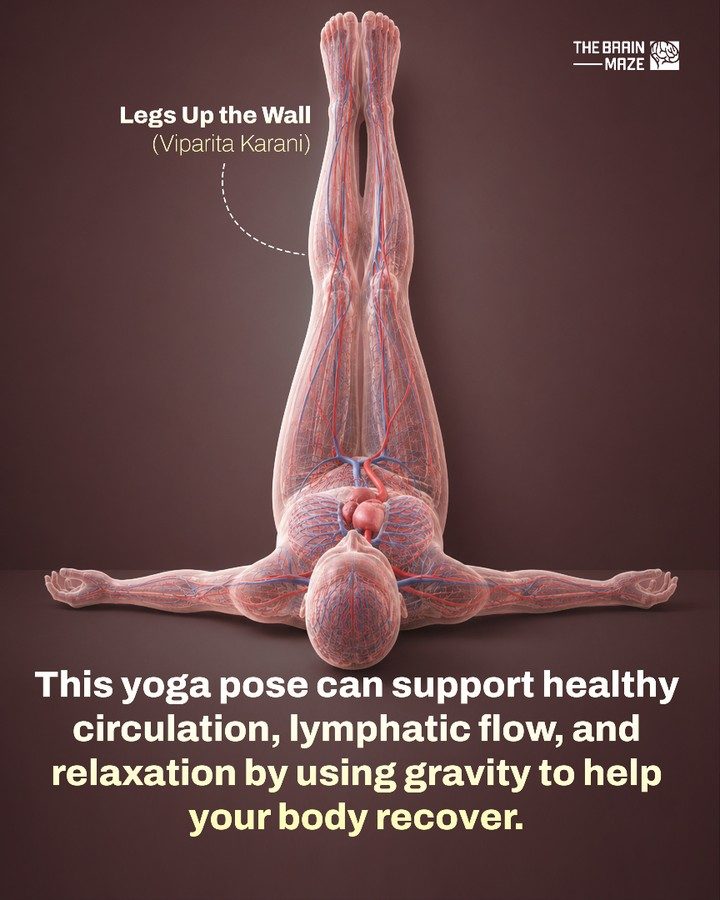
Legs Up the Wall Pose: A Simple yet Effective Recovery Technique
Legs Up the Wall, known in yoga as Viparita Karani, is a restorative pose that leverages gravity to support the body's natural recovery processes. By elevating the legs, this pose encourages blood flow back toward the heart, which can help reduce swelling and fatigue. It also aids in lymphatic drainage, eases muscle tension, and promotes deep relaxation by calming the nervous system. Whether you've spent hours standing at work, sitting at a desk, or engaging in intense physical activity, the Legs Up the Wall pose is a powerful tool for helping your body restore balance.
Why This Matters
In our fast-paced world, many of us spend significant portions of our days in sedentary positions, which can lead to discomfort, fatigue, and even long-term health issues. The Legs Up the Wall pose offers a simple, accessible way to counteract these effects. By taking just five minutes to perform this pose, you can help your body recover and promote overall wellness.
The Benefits of Legs Up the Wall
Enhanced Circulation
Elevating the legs in the Legs Up the Wall pose allows gravity to assist in circulating blood more efficiently. This enhanced circulation can help reduce swelling in the lower extremities, which is common after long periods of sitting or standing. By promoting better blood flow, this pose aids in delivering oxygen and nutrients to the body's tissues, supporting overall health and recovery.
Lymphatic Drainage
The lymphatic system plays a crucial role in the body's ability to remove waste and toxins. When the legs are elevated, the lymphatic fluid can flow more freely, aiding in the drainage process. This can help reduce inflammation and support the body's natural detoxification processes.
Muscle Tension Relief
Legs Up the Wall is particularly beneficial for easing muscle tension, especially in the lower body. By taking the weight off the legs and allowing them to relax, this pose can help alleviate tightness in the calves, hamstrings, and lower back. It's an excellent way to unwind after a strenuous workout or a long day of physical activity.
Nervous System Calming
The pose is also known for its ability to promote relaxation and calm the nervous system. By encouraging deep, slow breaths and reducing physical tension, Legs Up the Wall can help lower stress levels and induce a state of tranquility. This makes it a valuable addition to any wellness routine, especially for those looking to manage stress and anxiety.
How to Perform Legs Up the Wall
Performing the Legs Up the Wall pose is straightforward and can be done almost anywhere. Here are the steps to get into the pose comfortably:
- Find a Clear Wall: Locate a clear, unobstructed wall space where you can lie down with your legs extended up the wall.
- Position Your Body: Sit sideways next to the wall, with your hips as close to the wall as possible. Gently swing your legs up the wall as you lie down on your back.
- Adjust for Comfort: Ensure your back is flat on the floor and your legs are fully supported by the wall. Your body should form an L-shape, with your legs extended straight up and your back and head resting comfortably on the ground.
- Relax and Breathe: Close your eyes and focus on your breath. Take slow, deep breaths, inhaling through your nose and exhaling through your mouth. Allow your body to relax and release any tension.
- Hold the Pose: Stay in the pose for 5-20 minutes, depending on your comfort level and available time. To exit the pose, gently slide your legs down the wall and roll onto your side before sitting up.
Practical Tips for Maximizing the Benefits
Timing is Key
To get the most out of the pose, try to make it a daily habit. Even a short 5-minute session can make a significant difference in how your body feels. Dedicating consistent time to this practice will help you see long-term benefits.
Enhance with Props
For added comfort, consider using props such as a bolster or folded blanket under your hips to create a slight incline. This can help reduce strain on your lower back and make the pose even more relaxing.
Combine with Other Practices
Legs Up the Wall can be integrated into a broader wellness routine that includes other forms of exercise, meditation, or self-care. Combining this pose with yoga, stretching, or mindfulness practices can amplify its benefits.
Listen to Your Body
Pay attention to how your body responds to the pose. If you feel any discomfort, especially in your lower back or neck, adjust your position or use props to support your body better. It's essential to find a comfortable configuration that works for you.
Important Takeaways
The Legs Up the Wall pose is more than just a relaxation technique; it's a powerful tool for supporting your body's natural recovery processes. By taking a few minutes each day to perform this pose, you can enhance circulation, promote lymphatic drainage, ease muscle tension, and calm your nervous system. Incorporating this simple yet effective practice into your daily routine can help you feel refreshed, rejuvenated, and better equipped to handle the demands of modern life.
Conclusion
Incorporating the Legs Up the Wall pose into your daily routine is a practical and accessible way to support your body's natural healing processes. Whether you're looking to reduce swelling, ease muscle tension, or simply unwind after a long day, this pose offers a multitude of benefits. By leveraging gravity to your advantage, you can promote better circulation, lymphatic drainage, and overall relaxation.
Watch the Reel
Questions readers ask
How long should I hold the Legs Up the Wall pose for optimal benefits?
For optimal benefits, hold the Legs Up the Wall pose for 5 to 15 minutes. This duration allows your body to experience improved circulation and lymphatic drainage. However, even a few minutes can be beneficial if that's all the time you have.
Can Legs Up the Wall pose help with sleep issues?
Yes, the pose can help with sleep issues. By calming the nervous system and promoting deep relaxation, it can signal to your body that it's time to wind down, making it easier to fall asleep and improving sleep quality.
Is Legs Up the Wall pose suitable for beginners?
Absolutely, the pose is highly suitable for beginners. It is a gentle and accessible yoga pose that doesn't require any prior yoga experience. It's a great starting point for those new to yoga and its benefits.
Can I do Legs Up the Wall pose if I have high blood pressure?
If you have high blood pressure, it's important to consult with a healthcare provider before attempting this pose. While it can be beneficial for many, the pose may not be suitable for everyone with high blood pressure, as elevating the legs can affect blood flow.
What are the benefits of Legs Up the Wall for athletes?
For athletes, the pose can help speed up recovery after intense workouts by reducing muscle fatigue and swelling. It promotes blood flow and aids in lymphatic drainage, helping to flush out toxins and deliver nutrients to the muscles.
How can Legs Up the Wall pose help with swelling in the legs?
By elevating the legs above the heart, the pose encourages blood flow back toward the heart, which can help reduce swelling in the legs. This makes it a useful pose for those who experience swelling due to prolonged standing or sitting.
What if I can't get my legs straight up the wall?
If you can't get your legs straight up the wall, you can use props like bolsters or blankets to support your legs at an angle that feels comfortable. The key is to ensure your hips are supported and your legs are elevated above your heart.
Related deep dives
Similar reads based on topic and creator.


Recent articles
Fresh deep dives from the latest Reels we unpacked.




Comments
Be the first to comment.