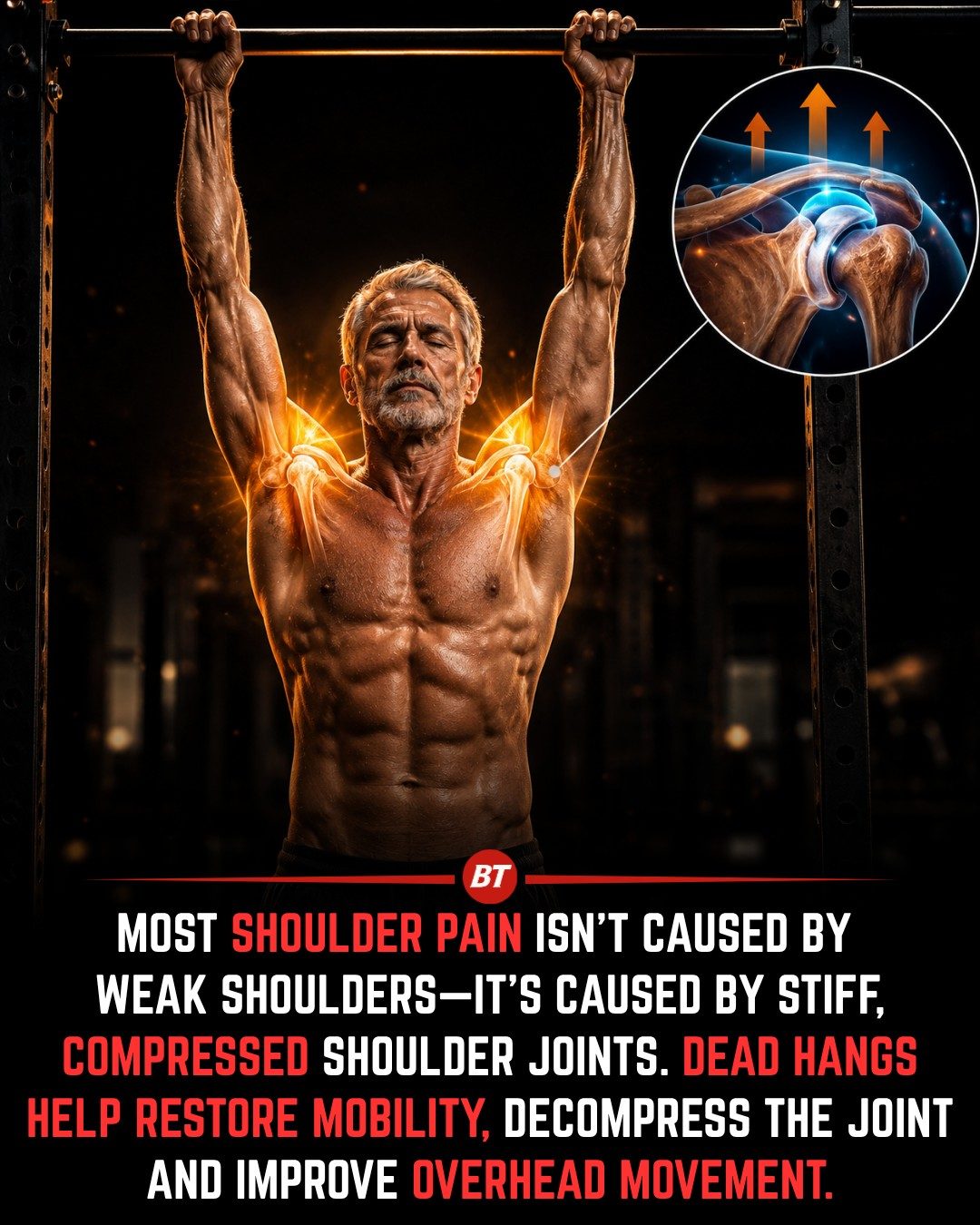
Dead Hang Exercise
Dead hang exercises are a powerful tool for improving shoulder health and overall mobility. This exercise involves hanging from a pull-up bar, allowing your body weight to create a gentle traction force through the shoulder joint. This action can help decompress the joint, restore mobility, and improve overhead movement.
Why Dead Hangs Matter
Shoulder pain is a common issue that can significantly impact daily activities and overall quality of life. While many people assume that shoulder pain is primarily due to weak muscles, recent insights have revealed a different story. Often, shoulder pain is caused by reduced mobility, stiff surrounding tissues, and limited overhead movement. This is where dead hangs come into play.
Dead hangs are particularly effective because they target the underlying issues that contribute to shoulder pain. By hanging from a bar, you can temporarily reduce pressure within the shoulder joint, encourage the shoulder blade to move more naturally, and help restore overhead range of motion. This gentle traction can be a game-changer for those struggling with shoulder issues.
The Benefits of Dead Hangs
Restoring Mobility
One of the primary benefits of dead hangs is their ability to restore mobility. The gentle traction force created by hanging helps to decompress the shoulder joint, which can alleviate stiffness and tightness. This is particularly important for individuals who spend long hours in sedentary positions, as these habits can lead to compressed joints and limited movement.
Strengthening Key Muscles
Dead hangs also play a crucial role in strengthening key muscles that support the shoulder joint. When you hang from a bar, you engage your grip, forearms, rotator cuff, and the muscles that stabilize the shoulder blades. These muscles are essential for healthy shoulder mechanics and overall upper body strength.
Improving Overhead Movement
For those involved in sports or activities that require overhead movements, dead hangs can significantly improve performance. By restoring mobility and strengthening key muscles, dead hangs help enhance the range of motion and stability needed for overhead activities. This can be particularly beneficial for athletes, weightlifters, and individuals involved in overhead sports like tennis or swimming.
Practical Tips for Performing Dead Hangs
Getting Started
If you're new to dead hangs, it's important to start slowly and gradually build up your strength. Begin with 10-20 second hangs, ensuring that your shoulders are relaxed and your core is engaged. As you become more comfortable, you can increase the duration to 30-60 seconds over several weeks.
Proper Form
Maintaining proper form is crucial for maximizing the benefits of dead hangs. Keep your shoulders relaxed and avoid shrugging them up towards your ears. Engage your core to maintain a stable position and avoid excessive swaying. If you experience sharp pain or discomfort, stop immediately and consult a healthcare professional.
Integrating Dead Hangs into Your Routine
Dead hangs can be incorporated into various fitness routines, from rehabilitation to strength training. For rehabilitation purposes, they can be used as part of a comprehensive plan to address shoulder pain and mobility issues. In strength training, they can serve as a warm-up or a finisher to enhance grip strength and shoulder stability.
Safety Precautions
While dead hangs are generally safe, it's important to consider a few precautions. If you have a recent shoulder injury or are experiencing sharp pain, consult a physical therapist or healthcare professional before attempting dead hangs. Additionally, ensure that the pull-up bar is secure and stable to avoid accidents.
Important Takeaways
Holistic Approach to Shoulder Health
Modern rehabilitation often emphasizes a holistic approach to shoulder health, focusing on restoring the way the entire shoulder complex moves together. Dead hangs are a valuable tool in this approach, as they address multiple aspects of shoulder function, including mobility, strength, and stability.
Research Support
Research published in the Journal of Orthopaedic & Sports Physical Therapy has shown that improving shoulder mobility and strengthening the muscles that control the shoulder blade can reduce pain and improve function in many people with non-traumatic shoulder conditions. This scientific backing underscores the effectiveness of dead hangs as a therapeutic and preventative measure.
Gradual Progression
For many healthy individuals, gradually building the ability to hang can improve mobility, posture, grip strength, and confidence with overhead movements. This gradual progression allows the body to adapt and strengthen over time, minimizing the risk of injury and maximizing benefits.
Conclusion
Dead hangs are a versatile and effective exercise for enhancing shoulder health, mobility, and overall strength. By incorporating dead hangs into your fitness routine, you can address common issues related to shoulder pain, improve your range of motion, and build a stronger, more stable upper body. Whether you're an athlete, a fitness enthusiast, or someone looking to enhance your daily movements, dead hangs offer a practical and beneficial approach to achieving your goals.
Watch the Reel
Questions readers ask
What makes dead hangs an effective exercise for shoulder mobility?
Dead hangs leverage body weight to gently decompress the shoulder joint, which can help restore mobility and improve overhead movement. This makes them a beneficial exercise for enhancing shoulder mobility and overall shoulder health.
How can dead hangs help alleviate shoulder pain?
Dead hangs can relieve shoulder pain by reducing stiffness in the surrounding tissues and decompressing the shoulder joint. This gentle traction can counteract the effects of sedentary habits, providing relief from discomfort and improving overall shoulder function.
What is the proper form for performing a dead hang?
To perform a dead hang correctly, grasp a pull-up bar with an overhand grip, allowing your body to hang naturally. Keep your shoulders engaged and avoid swinging or using momentum. Allow your body weight to create a gentle traction force through the shoulder joint.
Can dead hangs be incorporated into a rehabilitation program for shoulder injuries?
Yes, dead hangs can be a valuable part of a rehabilitation program for shoulder injuries. They help to improve mobility, reduce stiffness, and decompress the shoulder joint, all of which can aid in recovery and prevent future injuries. Always consult a healthcare professional before starting any new exercise routine, especially post-injury.
How do dead hangs compare to other exercises for improving shoulder mobility?
Dead hangs are unique in their ability to use body weight to decompress the shoulder joint, which can be particularly effective for improving mobility and relieving pain. Other exercises might focus more on strengthening muscles, but dead hangs specifically target the joint itself, making them a complementary addition to any routine aimed at improving shoulder health.
Are there any specific conditions where dead hangs should be avoided?
While dead hangs are generally beneficial, they may not be suitable for everyone. Individuals with certain conditions, such as shoulder dislocations, rotator cuff tears, or other serious shoulder injuries, should avoid dead hangs or consult a healthcare professional before incorporating them into their routine. Always start with a lighter version of the exercise and gradually increase the duration as your shoulders adapt.
How often should I perform dead hangs to see improvements in shoulder mobility and pain relief?
Consistency is key with dead hangs. Aim to perform them 2-3 times per week, holding for 10-30 seconds initially and gradually increasing the duration as your shoulders adapt. Incorporate them into your warm-up or cool-down routine for optimal results, but always listen to your body and avoid overdoing it.
Related deep dives
Similar reads based on topic and creator.




Recent articles
Fresh deep dives from the latest Reels we unpacked.




Comments
Be the first to comment.