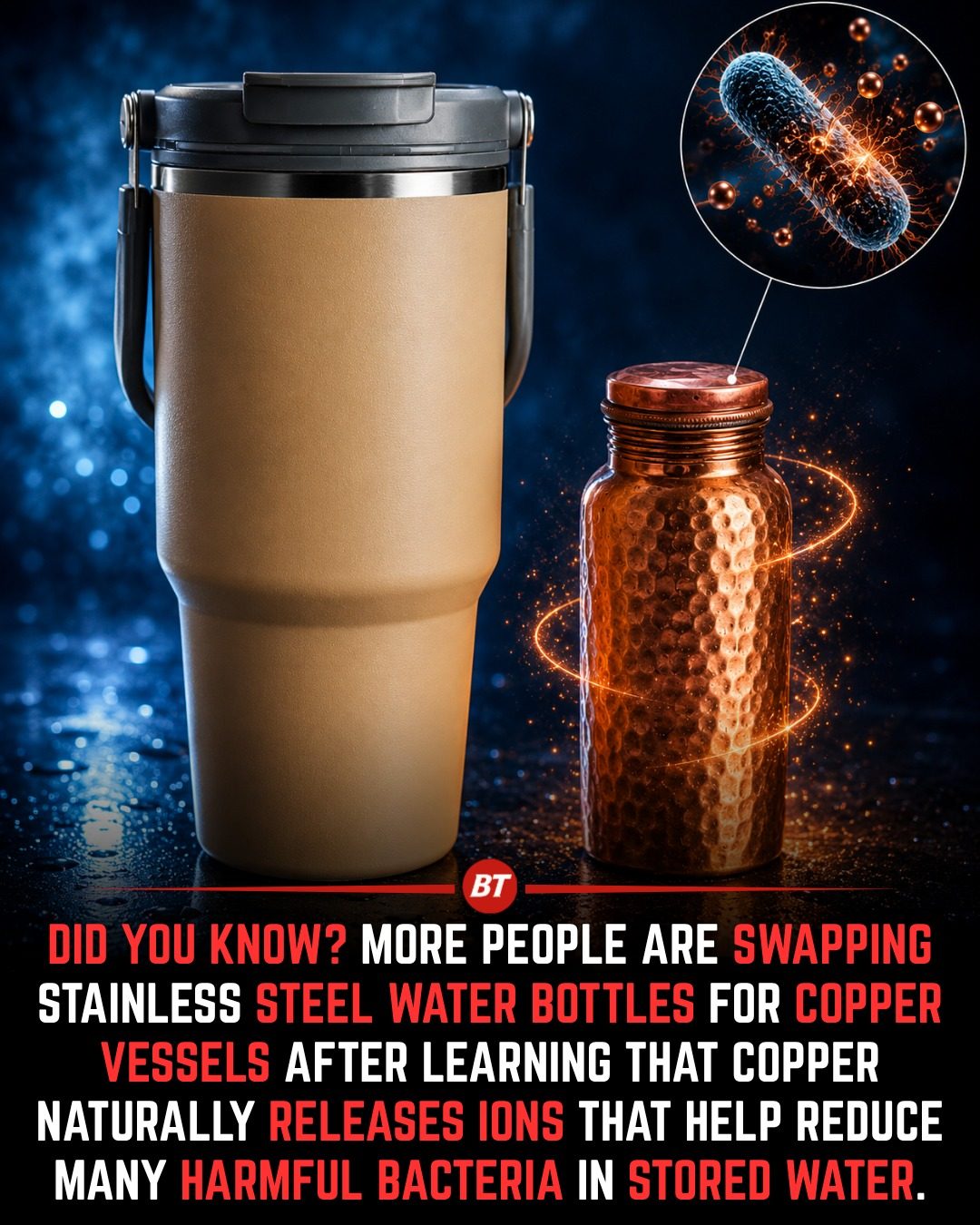
Copper Water Bottles: An Ancient Remedy for Modern Hydration
Copper water bottles have gained popularity as a modern alternative to conventional stainless steel bottles. This trend isn't just about aesthetics; it's rooted in ancient wisdom and backed by modern science. Copper's natural antimicrobial properties make it an excellent material for water storage, offering an additional layer of protection against bacterial growth.
What is the Oligodynamic Effect?
The key to copper's antimicrobial prowess lies in the oligodynamic effect. This phenomenon describes how tiny amounts of copper ions can damage the cell membranes and genetic material of certain bacteria, making it difficult for them to survive and multiply. When water sits in a copper vessel, microscopic copper ions are gradually released, creating an environment hostile to many harmful bacteria.
Historical and Scientific Context
Traditional Uses
Copper water bottles have been used for centuries in various traditional cultures. Ancient civilizations, from India to Egypt, recognized copper's beneficial properties and utilized it for storing water and other liquids. While the exact mechanisms were not understood at the time, the practical benefits were evident.
Modern Research
Today, scientific research has caught up with traditional knowledge. A notable study published in the Journal of Health, Population and Nutrition in 2012 examined the effects of storing contaminated drinking water in copper vessels. The findings were striking: storing water in copper for just 16 hours significantly reduced disease-causing bacteria, including Escherichia coli, Salmonella Typhi, and Vibrio cholerae, to undetectable levels.
This study underscores the potential of copper vessels to enhance water safety, particularly in environments where access to clean water is limited. Researchers continue to explore copper's antimicrobial properties, investigating its applications in hospital surfaces, water storage, and more.
Copper Water Bottles vs. Stainless Steel
The Transition
More people are transitioning from stainless steel water bottles to copper vessels. This shift is driven by the understanding that copper naturally releases ions that help reduce harmful bacteria in stored water. While stainless steel is durable and resistant to corrosion, it lacks the antimicrobial benefits of copper.
Benefits of Copper
Copper water bottles offer several advantages:
- Antimicrobial Properties: Copper's natural antimicrobial properties can help inhibit the growth of bacteria, making it a safe choice for storing drinking water.
- Environmentally Friendly: Copper is a natural material, making it a more sustainable choice compared to some plastics.
- Aesthetic Appeal: Copper vessels have a unique and elegant appearance that can enhance the aesthetic of any kitchen or home.
What to Consider When Choosing a Copper Water Bottle
Purity and Quality
When selecting a copper water bottle, opt for a pure copper vessel. Some bottles may be lined with other metals or contain alloys, which can affect the antimicrobial benefits and overall quality. Always check the product specifications to ensure you're getting a genuine copper bottle.
Maintenance
Copper water bottles require regular cleaning to maintain their antimicrobial properties. Here are some practical tips:
- Cleaning: Regularly clean the bottle with lemon juice or vinegar and salt to remove any oxidation that may occur.
- Avoiding Acidic Drinks: While copper is great for water, avoid storing acidic drinks like citrus juices, vinegar, or soda in copper containers, as they can react with the metal and potentially leach into the liquid.
- Storage: Allow the water to sit in the copper bottle for 6–8 hours or overnight before drinking to maximize the antimicrobial effects.
Practical Tips
Maximizing the Benefits
To get the most out of your copper water bottle, follow these practical tips:
- Fill and Store: Fill the bottle with clean drinking water and let it sit for 6–8 hours or overnight. This allows the copper ions to effectively permeate the water.
- Regular Cleaning: Maintain your bottle by cleaning it regularly with a mixture of lemon juice or vinegar and salt. This helps remove oxidation and keeps the bottle in optimal condition.
- Avoid Acidity: Steer clear of storing acidic beverages in your copper bottle, as these can react with the copper and alter the taste or safety of the drink.
Incorporating Copper into Your Lifestyle
Incorporating a copper water bottle into your daily routine can be a simple yet effective way to enhance your hydration experience. Beyond the health benefits, the aesthetic appeal of copper can add a touch of elegance to your home or office.
Important Takeaways
Copper water bottles offer a unique blend of traditional wisdom and modern science. By harnessing the oligodynamic effect, these bottles provide an extra layer of protection against harmful bacteria in stored water. When choosing a copper water bottle, prioritize purity and quality, and follow proper maintenance practices to ensure longevity and effectiveness. By incorporating a copper water bottle into your daily routine, you can enjoy the benefits of clean, safe, and antimicrobial water.
Conclusion
Copper water bottles are more than just a trendy alternative to stainless steel. They offer a time-tested solution for safe and clean water storage. Whether you're seeking to improve your hydration habits or simply looking for a stylish and functional water bottle, consider the benefits of copper. With proper care and usage, a copper water bottle can be a valuable addition to your daily routine, offering both aesthetic and health benefits. Make the switch and experience the difference for yourself.
Watch the Reel
Questions readers ask
Why are copper water bottles better than stainless steel for water storage?
Copper water bottles offer a natural advantage over stainless steel bottles due to the former's antimicrobial properties. Copper can inhibit the growth of harmful bacteria in the water. Copper also helps to maintain these benefits without any added chemicals or treatments.
How do copper water bottles help in maintaining clean water?
Copper bottles help keep water clean by releasing copper ions into the water. These ions utilize the oligodynamic effect, which disrupts the cellular processes of bacteria, making it difficult for them to survive and reproduce. As a result, the water remains free from bacteria.
What is the oligodynamic effect and how does it relate to copper water bottles?
The oligodynamic effect refers to the process by which small amounts of copper ions, released from the bottle, disrupt the cellular functions of bacteria. In the context of copper water bottles, this effect helps to prevent bacterial growth in the stored water, providing an additional layer of safety compared to other metal bottles.
How long does it take for a copper water bottle to release beneficial copper ions?
Copper ions are gradually released into the water as soon as the water comes into contact with the copper bottle. The process continues for as long as the water is stored in the bottle, with the release of copper ions being gradual. This means the water will benefit from the antimicrobial properties of copper.
Can copper water bottles remove existing bacteria from water?
Yes, copper water bottles can reduce the presence of existing bacteria in the water. The antimicrobial properties of copper work to eliminate bacteria already present in the water, in addition to preventing the growth of new bacteria. However, it's essential to use the bottle regularly to maintain its effectiveness.
Are there any other benefits to drinking water from copper vessels besides bacteria-free water?
Drinking water from copper vessels offers additional health benefits, such as aiding digestion, boosting the immune system, and enhancing overall health. The copper ions released into the water help absorb nutrients from food and stimulate enzyme reactions in the body.
Related deep dives
Similar reads based on topic and creator.




Recent articles
Fresh deep dives from the latest Reels we unpacked.




Comments
Be the first to comment.