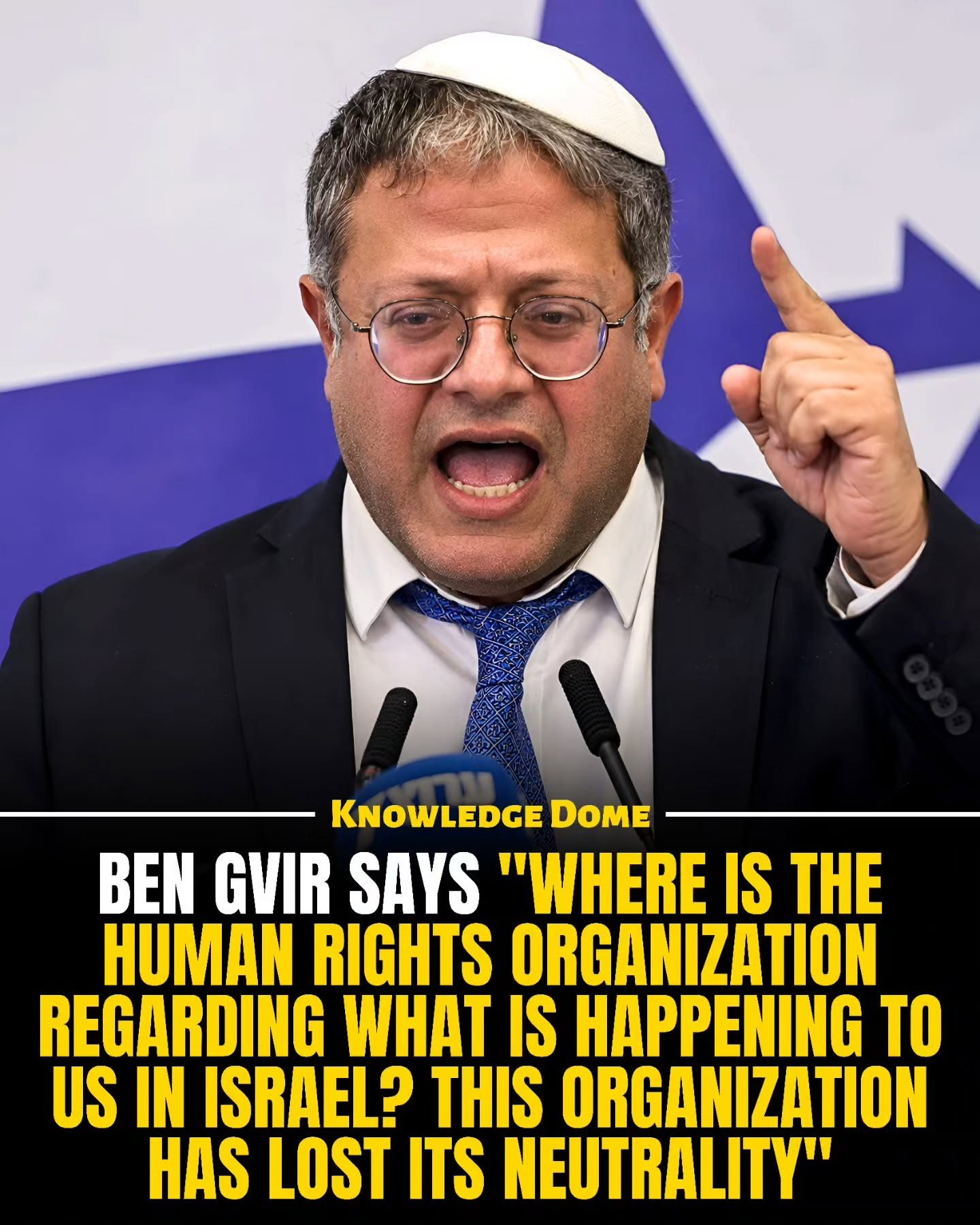
Israeli Security Concerns and International Critique
Far-right National Security Minister of Israel, Itamar Ben-Gvir, recently voiced strong criticisms against international watchdog organizations. Ben-Gvir asserted that these groups, including the United Nations, have lost their neutrality. According to Ben-Gvir, their excessive focus on the humanitarian crisis in Palestinian areas ignores the security challenges and daily suffering of Israeli civilians. This statement is part of a broader, ongoing diplomatic struggle.
Why This Matters
The ongoing conflict in the Middle East has led to a deep divide between Israeli officials and international watchdog groups. While Israeli officials argue that global institutions are biased against Israel, international organizations insist that they are merely reporting on civilian suffering, displacement, and potential violations of international law. This divide highlights the complexity and sensitivity of the situation, making it essential to understand the perspectives of both sides.
International Humanitarian Focus
Humanitarian Crisis in Palestinian Areas
International organizations often focus on the humanitarian crisis in Palestinian territories. This includes issues such as access to clean water, healthcare, and education, as well as the impact of military actions on civilians. These organizations argue that their work is impartial and aims to address human rights violations and violations of international law. Additionally, they stress the importance of reporting on civilian suffering and displacement, regardless of the political context.
Israeli Security Concerns
Israeli officials, including Ben-Gvir, point out that the international community often overlooks the security issues that Israeli civilians face. This includes daily threats, fear, and trauma resulting from ongoing conflicts. Israeli officials maintain that while humanitarian issues are important, the international community must also acknowledge and address the security challenges faced by Israelis.
Diplomatic Tensions
Perception of Bias
The perception of bias is a significant point of contention. Israeli officials argue that international organizations are too critical of Israel and do not give enough attention to the legitimate security concerns of Israeli civilians. This perceived bias has led to tensions and mistrust between Israel and these organizations. Additionally, Israeli officials often feel that global institutions put too much pressure on Israel, ignoring the broader context of the conflict.
Neutrality and Fair Reporting
International organizations, on the other hand, maintain that their work is impartial and driven by the need to report on civilian suffering and violations of international law. They insist that their focus is on human rights and that they strive to be neutral in their reporting. However, the ongoing conflict and the complex political landscape make it difficult for these organizations to maintain a balance that satisfies all parties involved.
One Side’s Pain vs. The Other Side’s Pain
The debate between Israeli officials and international groups often revolves around the issue of whose suffering is more deserving of attention. Israeli officials argue that the international community must acknowledge the suffering of Israeli civilians, who live in constant fear of attacks. On the other hand, international groups stress the importance of addressing the suffering of civilians in conflict zones, regardless of their political affiliation.
Practical Tips
For International Organizations
When reporting on conflicts, it is essential to address the security concerns of all parties involved. This includes acknowledging the daily threats and trauma faced by Israeli civilians and recognizing the broader context of the conflict. Additionally, international organizations should strive to maintain neutrality and avoid perceived bias, even when reporting on civilian suffering and violations of international law. Communication with local authorities and stakeholders is vital in maintaining transparency and building trust.
For Israeli Officials
Israeli officials must communicate their security concerns effectively to the international community. This includes providing evidence and examples of the daily threats and fear experienced by Israeli civilians. Additionally, Israeli officials should engage in dialogue with international organizations to address perceived biases and mistrust.
Important Takeaways
The debate between Israeli officials and international watchdog groups highlights the complexity of the ongoing conflict in the Middle East. Both sides have valid concerns and perspectives, and it is essential to acknowledge and address these issues to achieve a peaceful resolution.
Conclusion
Understanding the perspectives of both Israeli officials and international organizations is crucial in addressing the ongoing conflict in the Middle East. While Israeli officials argue that global institutions are biased and overlook their security concerns, international groups maintain that their focus is on impartial reporting and addressing human rights violations. Communication, dialogue, and a deeper understanding of the complex political landscape are essential in bridging the divide and achieving a more balanced and fair approach to the conflict.
Watch the Reel
Questions readers ask
What specific criticisms has Ben-Gvir leveled against international watchdog groups?
Ben-Gvir has accused international watchdog groups, such as the United Nations, of losing their neutrality and being overly focused on the humanitarian crisis in Palestinian areas while ignoring the security challenges and daily struggles of Israeli civilians.
How does Ben-Gvir's critique reflect the broader conflict between Israeli officials and global watchdog groups?
Ben-Gvir's critique highlights the deep divide between Israeli officials and international organizations. Israeli officials, including Ben-Gvir, believe that these groups are biased against Israel, while the international bodies maintain that their focus is on addressing humanitarian issues.
What are some of the security challenges that Ben-Gvir believes are overlooked by international bodies?
Ben-Gvir claims that international bodies overlook the daily security challenges faced by Israeli civilians, including threats from rocket attacks, terrorism, and ongoing violence in the region. These challenges are often overshadowed by the focus on Palestinian humanitarian issues.
Why does the debate between Israeli security and Palestinian rights matter?
This debate is crucial because it highlights the complex nature of the Middle East conflict. It involves a delicate balance between addressing the security needs of Israeli civilians and the humanitarian needs of Palestinians, a balance that is often contentious and difficult to achieve.
What are some of the humanitarian crises that international bodies focus on in the Middle East?
International bodies often focus on issues such as the displacement of Palestinians, access to basic services like healthcare and clean water, and the impact of Israeli security measures on Palestinian daily life.
How does Ben-Gvir's perspective on international bias compare with that of other Israeli officials?
Ben-Gvir's perspective aligns with other Israeli officials who have criticized international bodies for perceived bias. Many Israeli officials argue that these organizations do not sufficiently acknowledge the security threats Israel faces, leading to a sense of being unfairly targeted.
What are the potential implications of Ben-Gvir's criticisms for international diplomacy?
Ben-Gvir's criticisms could further strain international relations, making it more challenging to achieve a balanced approach to the Middle East conflict. This could hinder efforts towards peace and stability in the region, as both sides may feel more entrenched in their positions.
Recent articles
Fresh deep dives from the latest Reels we unpacked.




Comments
Be the first to comment.