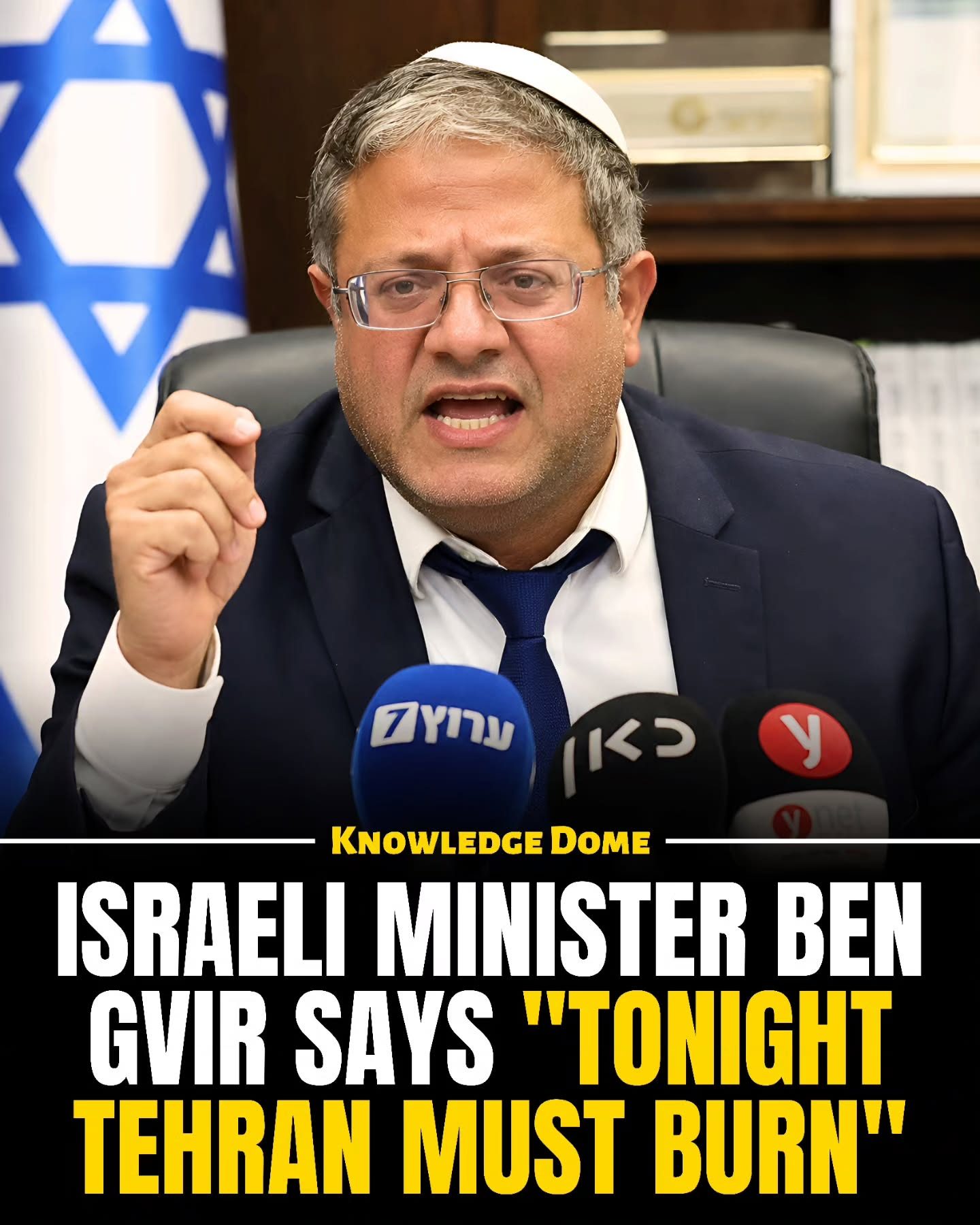
Israel has been facing a recent escalation in tensions with Iran, highlighted by a strong statement from Israeli National Security Minister Itamar Ben-Gvir. The rising tensions in the region have been brought to the forefront, with both nations exchanging threats and defensive maneuvers. The recent missile strikes and the subsequent statements from key figures in Israeli and Iranian politics have left many observing the geopolitical situation with apprehension.
Why This Matters
The Middle East has long been a region of strategic importance, with Israel and Iran at the center of frequent geopolitical conflicts. The latest developments underscore the delicate balance of power and the potential for broader regional conflict. Monitoring these events closely is crucial for understanding the geopolitical landscape and the potential for further escalations.
The Recent Missile Strike and Israel's Response
Iran recently launched a barrage of ballistic missiles targeting northern Israel. This action was swiftly countered by the Israeli Defense Forces, which successfully intercepted approximately 10 incoming missiles. Fortunately, there were no immediate casualties or injuries reported by emergency services.
Ben-Gvir's Statement and Its Implications
In the wake of the missile attack, Israeli National Security Minister Itamar Ben-Gvir issued a strong statement on social media, declaring, “Tonight Tehran must burn!” This aggressive rhetoric from a senior Israeli official underscores the heightened tensions and the potential for retaliatory actions. Ben-Gvir's statement was delivered with a serious demeanor, with an Israeli flag serving as a backdrop, symbolizing his official capacity and the gravity of the situation.
While Ben-Gvir's words were particularly stark, he was not alone in advocating for a tough response. Other Israeli leaders, including Defense Minister Israel Katz, also pushed for a firm stance, warning that Tehran could face severe consequences if the attacks continued. These statements reflect a unified front within the Israeli government, emphasizing their readiness to defend against further aggression.
International Responses
The situation has not only garnered attention within Israel but also internationally. U.S. President Donald Trump urged restraint, indicating that he would engage with Israeli Prime Minister Benjamin Netanyahu to prevent further escalation. This diplomatic intervention highlights the broader implications of the conflict and the role of external actors in managing tensions.
Meanwhile, Iran's Foreign Ministry maintained that their strikes were directed at military targets, emphasizing that any retaliation from Israel would prompt a strong response. This mutual exchange of threats suggests a fragile peace, with both sides poised to escalate the conflict if their interests are threatened.
The Role of Knowledge Dome and Media Coverage
The media has played a pivotal role in disseminating information and maintaining transparency during these tense times. Platforms like "Knowledge Dome" have provided real-time updates and analysis, ensuring the public is informed about the developing situation. The swift coverage and dissemination of critical statements, such as Ben-Gvir's declaration, have helped to keep the public and international observers abreast of the latest developments.
Key Figures and Their Roles
Several key figures have emerged as central to this geopolitical drama, including:
- Itamar Ben-Gvir: As the National Security Minister, Ben-Gvir's statement carries significant weight within Israel and beyond. His declaration of "Tonight Tehran must burn!" reflects the nation's resolve to defend itself against external threats.
- Donald Trump: The U.S. President's call for restraint and his offer to engage in dialogue with Israeli leadership demonstrate the international community's role in mitigating conflicts.
- Benjamin Netanyahu: As the Prime Minister of Israel, Netanyahu is at the helm of the country's strategic decisions in response to the crisis, working closely with international allies.
- Israel Katz: The Defense Minister’s warnings about potential heavy damage to Tehran underscore Israel's military readiness and strategic planning.
Practical Tips for Staying Informed
Given the rapidly evolving nature of the situation, staying informed is crucial. Here are some practical tips for navigating the latest developments:
- Follow Reputable News Sources: Ensure that you are getting your information from reliable news outlets that provide accurate and up-to-date reporting.
- Monitor Official Statements: Keep an eye on official statements from key figures, as these often provide direct insight into the strategic thinking and intentions of major players.
- Engage with International Analysis: Look for expert analysis that can provide context and deeper understanding of the geopolitical dynamics at play.
- Stay Calm and Rational: While the situation is tense, it's important to maintain a level head and avoid speculation or misinformation.
Important Takeaways
The recent escalation in tensions between Israel and Iran underscores the need for vigilance and diplomacy in the Middle East. Key takeaways include:
- Direct Confrontation: The missile strikes and intercepted missiles highlight the direct confrontation between the two nations, with both sides ready to defend their interests.
- Public Statements: The public statements from Israeli leaders, including Ben-Gvir, reflect a strong stance and the potential for retaliation.
- International Involvement: The role of external actors, like the United States, in urging restraint and facilitating dialogue is critical for managing the conflict.
- Media Role: Platforms like "Knowledge Dome" are essential in providing real-time updates and ensuring transparency during crises.
Conclusion
The current situation between Israel and Iran is a reminder of the delicate balance of power in the Middle East. As tensions rise, it is essential to stay informed and understand the strategic implications. The statements from key figures, the international responses, and the role of media coverage all contribute to our understanding of this complex geopolitical landscape. By remaining vigilant and seeking accurate information, we can better navigate the ongoing developments and their potential impact on the region.
Watch the Reel
Questions readers ask
What is the current status of the standoff between Israel and Iran?
As of recent events, Israel and Iran are in a tense standoff, marked by missile strikes from Iranian forces. Israeli leaders, such as National Security Minister Itamar Ben-Gvir, have responded with strong rhetoric and defensive measures. The situation is fluid and requires close monitoring for any further developments.
Who is Itamar Ben-Gvir and what role does he play in the current tensions?
Itamar Ben-Gvir is the National Security Minister of Israel. He has been a prominent figure in the recent escalation of tensions with Iran, issuing strong statements and threats in response to Iranian actions. His comments have contributed to the heightened rhetoric and defensive maneuvers from both sides.
What are some of the defensive measures Israel has taken in response to Iran's actions?
Israel has implemented various defense measures in response to Iran's missile strikes and threats. These include activating missile defense systems, heightening security along borders, and increasing intelligence and surveillance activities. Additionally, Israeli leaders have issued retaliatory threats to deter further aggression from Iran.
What is the significance of the Middle East geopolitical balance in the Israel-Iran conflict?
The Middle East is a region of strategic importance, with Israel and Iran being key players in the geopolitical landscape. The current conflict between the two nations has the potential to disrupt the delicate balance of power in the region, drawing in other countries and leading to broader conflict. Understanding this dynamic is crucial for assessing the implications of the standoff.
What are the possible outcomes of the recent escalations between Israel and Iran?
The current escalations could lead to several outcomes, including a further intensification of the conflict with more missile strikes and retaliatory actions. There is also the possibility of diplomatic intervention from other international actors to de-escalate tensions. Additionally, the standoff could potentially stabilize if both sides agree to a ceasefire or negotiate a resolution.
How have Iranian leaders responded to Israel's actions and statements?
Iranian leaders have responded to Israel's actions and statements with a mix of defiance and retaliatory threats. They have accused Israel of escalating tensions and have vowed to continue their defensive and offensive operations. The exchange of threats has contributed to the heightened tension and uncertainty in the region.
What are some of the key geopolitical factors influencing the Israel-Iran standoff?
Several factors influence the Israel-Iran standoff, including historical animosity, ongoing regional conflicts, and the strategic importance of the Middle East. The geopolitical landscape is further complicated by the involvement of other regional powers, such as Saudi Arabia and Turkey, as well as international actors like the United States, which adds layers of complexity to the situation.
Recent articles
Fresh deep dives from the latest Reels we unpacked.




Comments
Be the first to comment.