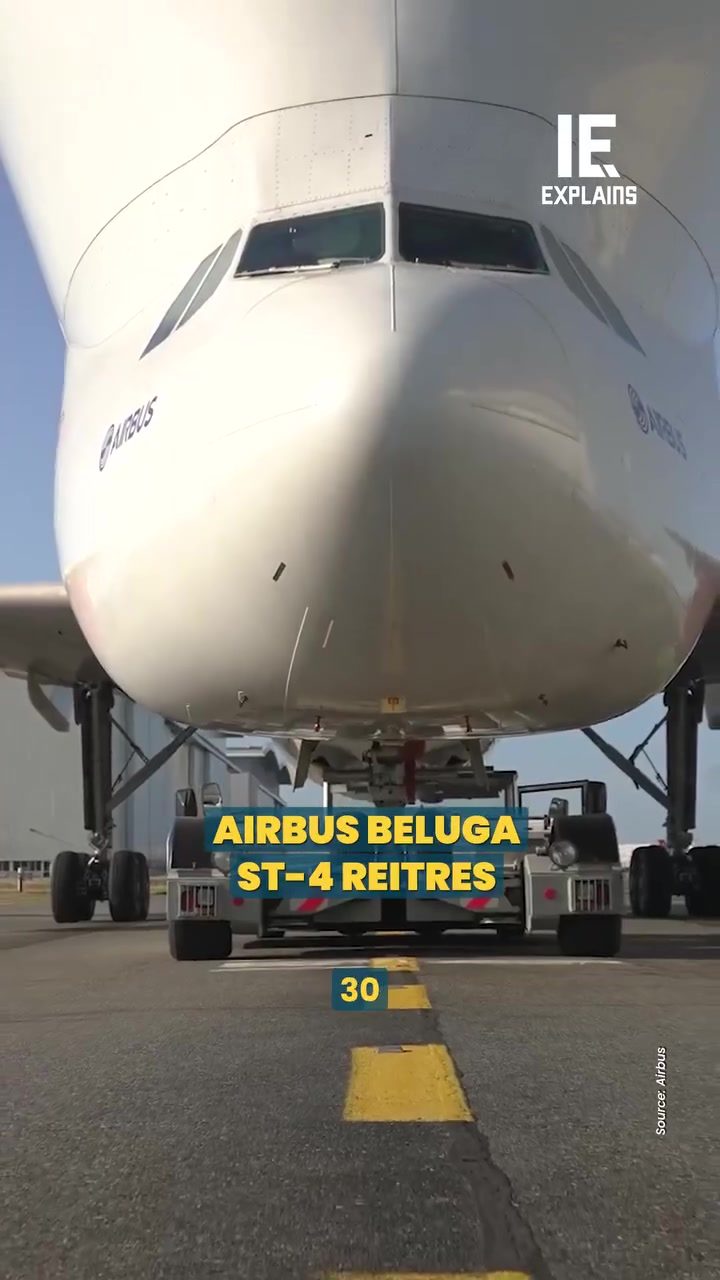
Airbus Beluga ST-4: The Retired Cargo Plane That Transformed Europe's Aviation Logistics
The Airbus Beluga ST-4, a distinctive whale-shaped cargo plane, has officially retired after nearly three decades of transporting massive aircraft components across Europe. Its last flight on June 24, 2026, marked the end of an era for this unique aircraft. The journey from Toulouse to the Aeroscopia Museum in Blagnac, France, was a grand send-off for the ST-4, which was then towed to its new home.
Why This Matters
The retirement of the Beluga ST-4 is significant for several reasons. It's a crucial part of aviation history, representing how logistics and transportation for large aircraft components have evolved over the decades. This aircraft was more than just a cargo plane; it was a symbol of innovation and efficiency in the aerospace industry.
The Beluga ST-4: A Legacy of Logistical Innovation
The Design and Purpose
The Beluga ST-4 was part of the larger Beluga family of cargo aircraft, named for their distinctive shape that resembles a whale. These planes were specifically designed to transport oversized and bulky components for Airbus aircraft, including wings and fuselage sections. The design of the Beluga ST-4 made it possible to transport parts that were too large to be moved using conventional methods.
The Role in Europe's Aviation Industry
For nearly 30 years, the Beluga ST-4 played a vital role in connecting various Airbus factories across Europe. It was the backbone of the company's logistics, ensuring that parts could be efficiently moved between different manufacturing sites. This capability was crucial for the production and assembly of Airbus aircraft, enabling the company to maintain high operational efficiency and cost-effectiveness.
The Final Flight and Farewell
On June 24, 2026, the Beluga ST-4 made its final flight over Toulouse, a low pass that served as a fitting farewell. After the flight, it was carefully towed on public roads to the Aeroscopia Museum in Blagnac, France. This journey marked a significant milestone, symbolizing the end of an era and the beginning of a new chapter for aviation history.
The Evolution of Cargo Aircraft: From Super Guppy to Beluga XL
The Super Guppy: The Predecessor
The Beluga ST-4 was designed to replace the Super Guppy, an earlier cargo plane used for transporting oversized aircraft parts. The Super Guppy, which is now on display at the Aeroscopia Museum, was a pioneering craft but had limitations in terms of cargo capacity and range. The Beluga ST-4, with its innovative design, addressed these issues and became a more efficient solution for Airbus's logistics needs.
The Beluga XL: The Successor
The Beluga XL, which is still in service, is the successor to the Beluga ST-4. This new aircraft features an even larger cargo hold, allowing it to transport a wider range of oversized components. The Beluga XL represents the next step in the evolution of cargo aircraft, continuing the legacy of the Beluga ST-4 with enhanced capabilities and efficiency.
Practical Tips for Aviation Enthusiasts
Visiting the Aeroscopia Museum
If you're an aviation enthusiast, a visit to the Aeroscopia Museum in Blagnac, France, is a must. Here, you can see the Beluga ST-4 up close, alongside other historic aircraft like the Super Guppy. It's a unique opportunity to learn about the evolution of aviation logistics and the role these planes played in the industry.
Learning From Logistical Innovations
The design and operation of the Beluga ST-4 offer valuable insights into the importance of logistics in the aerospace industry. Whether you're interested in aviation, engineering, or logistics, studying the Beluga ST-4 can provide practical lessons in efficiency, innovation, and problem-solving.
Important Takeaways
The retirement of the Beluga ST-4 marks the end of an important chapter in aviation history. This unique cargo plane not only facilitated the transport of oversized aircraft components but also paved the way for more advanced cargo aircraft like the Beluga XL. Its legacy serves as a testament to the importance of innovation and efficiency in the aerospace industry.
The Future of Cargo Aircraft
As the aviation industry continues to evolve, the future of cargo aircraft looks promising. With advancements in technology and design, we can expect even more efficient and capable aircraft to emerge. The lessons learned from the Beluga ST-4 and its successors will undoubtedly shape the future of aviation logistics.
Conclusion
The Airbus Beluga ST-4 was more than just a cargo plane; it was a symbol of innovation and efficiency in the aerospace industry. Its retirement marks the end of an era but also paves the way for future advancements. Whether you're an aviation enthusiast or simply curious about the logistics behind aircraft production, the story of the Beluga ST-4 offers valuable insights and inspiration.
Watch the Reel
Questions readers ask
What was the significance of the Airbus Beluga ST-4's retirement?
The retirement of the Beluga ST-4 marked the end of an era in Europe's aviation logistics. The cargo plane had spent nearly three decades transporting oversized aircraft components across Europe. This retirement is an important historical milestone and signifies how aerospace logistics have evolved. It signifies the end of a unique era in aircraft transportation and innovation.
When and where was the Beluga ST-4's final flight?
The final flight of the Beluga ST-4 took place on June 24, 2026. The plane flew from Toulouse to the Aeroscopia Museum in Blagnac, France, where it was then towed to its new home. This flight was a significant event in European aviation history.
What made the Beluga ST-4 unique in the aerospace industry?
The Beluga ST-4 was unique due to its distinctive whale-like shape, which allowed it to transport oversized aircraft components. Its design and capabilities made it an iconic figure in the aerospace industry and a key player in aviation logistics. The aircraft's unique design allowed it to transport components that other planes could not accommodate.
What was the route of the Beluga ST-4's final flight?
The Beluga ST-4's final flight route was from Toulouse to the Aeroscopia Museum in Blagnac, France. This route was chosen to symbolize the end of an era and to mark the Beluga ST-4's retirement. The plane was then towed to its new home at the museum.
What is the Aeroscopia Museum and why is the Beluga ST-4 significant to it?
The Aeroscopia Museum in Blagnac, France, is a museum dedicated to aerospace history. The Beluga ST-4 is significant to the museum as it is an important part of European aviation history. Its unique design and role in transporting large aircraft components make it a valuable addition to the museum's collection.
What does the retirement of the Beluga ST-4 mean for the Airbus fleet?
The retirement of the Beluga ST-4 means that the Airbus fleet is evolving and adapting to new technologies and innovations. The Beluga ST-4's retirement opens up opportunities for new aircraft to take on its role in transporting large components. The fleet is expanding with new planes to improve efficiency and logistics.
How has the Beluga ST-4 influenced Europe's aviation logistics?
The Beluga ST-4 has significantly influenced Europe's aviation logistics by setting new standards for transporting oversized aircraft components. Its unique design and capabilities allowed for more efficient and innovative logistics. The plane's retirement marks the end of an era and the beginning of a new one in Europe's aviation logistics.
Related deep dives
Similar reads based on topic and creator.

Recent articles
Fresh deep dives from the latest Reels we unpacked.




Comments
Be the first to comment.