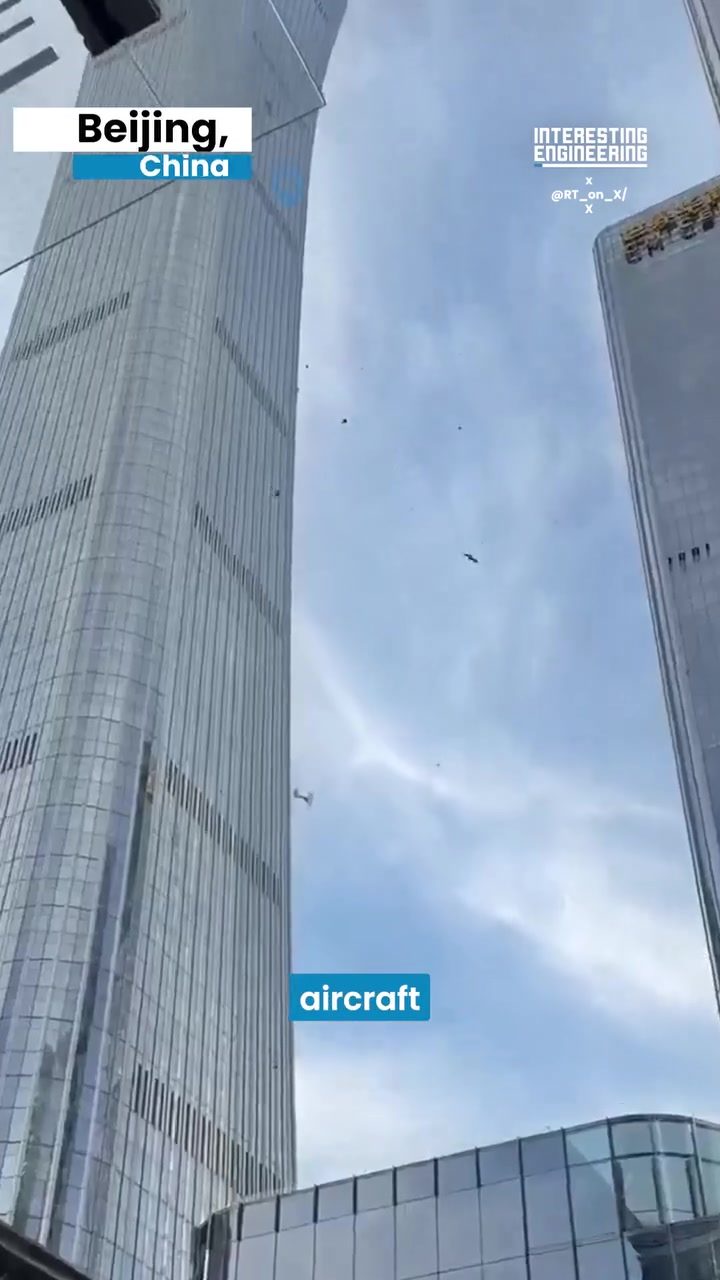
The Sunward SA 60L Aurora Aircraft Incident in Beijing
In one of the world's most tightly controlled airspaces, a shocking incident occurred on a Friday when a light sport aircraft struck the 109-story CITIC Tower in central Beijing. The Sunward SA 60L Aurora, owned by a local company, sent debris falling from the skyscraper, prompting immediate evacuations and a major emergency response.
Context / Why this Matters
Beijing's airspace is renowned for its stringent regulation and control, making such incidents exceedingly rare. The CITIC Tower, also known as China-Zun, is not just a symbol of Beijing's skyline but also a testament to its architectural and engineering prowess. The tower stands at 528 meters (1,732 feet) tall, making it a critical landmark in the city.
The incident has raised questions about air traffic safety and the potential vulnerabilities in even the most regulated airspaces. Understanding the specifics of this event can offer insights into aviation safety and emergency response protocols.
Main Discussion
The Incident and Emergency Response
A small aircraft, identified as a Sunward SA 60L Aurora, crashed into the CITIC Tower, triggering an immediate and extensive emergency response. Authorities in the Chinese capital swiftly evacuated the building's occupants and deployed firefighters, police, and ambulances to the scene. Videos captured debris falling from the tower, highlighting the severity of the impact and the urgency of the response.
The Aircraft
The Sunward SA 60L Aurora is a light sport aircraft, domestically built and typically used for recreational and general aviation purposes. Its presence near the CITIC Tower has led to speculation about its flight path and the circumstances leading to the collision.
The Flight Path and Impact
Flight data indicates that the aircraft followed an unusually erratic flight path before impact. This erratic behavior has raised concerns about potential issues with the aircraft, its pilot, or external factors that may have contributed to the incident.
The Emergency Response
The Chinese capital's emergency services responded swiftly and efficiently to the incident. Evacuations were carried out promptly, and firefighters, police, and ambulances were deployed to manage the situation. This rapid response is a testament to the preparedness of Beijing's emergency services, even though such incidents are rare.
Practical Tips for Light Sport Aircraft Pilots
While the specifics of this incident are still under investigation, there are general safety tips that light sport aircraft pilots can follow to minimize risks:
Pre-Flight Checks
Always conduct thorough pre-flight checks to ensure the aircraft is in optimal condition. This includes checking the engine, controls, and flight instruments.
Familiarity with Airspace Regulations
Ensure that you are familiar with the airspace regulations and controlled zones, especially when flying near urban areas. This knowledge is crucial for avoiding potential hazards and ensuring safety.
Maintaining Clear Communication
Maintain clear and consistent communication with air traffic control and other pilots in the area. This can help prevent collisions and ensure a safe flight path.
Weather Awareness
Be aware of weather conditions and how they might affect your flight. Adverse weather can significantly impact flight performance and safety.
Regular Maintenance
Regularly maintain your aircraft to prevent mechanical failures. This includes routine inspections and addressing any issues promptly.
Important Takeaways
The incident involving the Sunward SA 60L Aurora and the CITIC Tower in Beijing serves as a stark reminder of the potential risks in aviation, even in highly regulated airspaces. Key takeaways include:
- Awareness and Preparedness: Pilots and aviation authorities must remain vigilant and prepared for unexpected incidents.
- Emergency Response: The swift and effective response by Beijing's emergency services is a model for handling such situations.
- Safety Measures: Following safety protocols, conducting thorough checks, and maintaining clear communication are essential for preventing similar incidents.
Conclusion
The collision between a light sport aircraft and the CITIC Tower in Beijing underscores the importance of air traffic safety and emergency preparedness. While such incidents are rare in heavily regulated airspaces, they highlight the need for constant vigilance and adherence to safety protocols. As investigations continue, it is crucial for aviation authorities and pilots to learn from this event and ensure that all necessary measures are in place to prevent future occurrences.
Watch the Reel
Questions readers ask
What type of aircraft was involved in the Beijing skyscraper incident?
The aircraft involved was a Sunward SA 60L Aurora, a light sport aircraft. This type of aircraft is typically used for recreational flying and is much smaller than commercial airliners. The plane is owned by a local company.
Why is the CITIC Tower significant in Beijing?
The CITIC Tower, also known as China-Zun, is a prominent landmark in Beijing's skyline, standing at 528 meters (1,732 feet) tall with 109 stories. It is renowned for its architectural and engineering achievements, including its unique design and sustainability features.
How did the emergency response unfold after the aircraft hit the CITIC Tower?
Immediately after the incident, urgent evacuations were initiated and a major emergency response was triggered. The impact caused debris to fall from the skyscraper, and emergency services were mobilized to handle the situation, highlighting the effectiveness of Beijing's emergency protocols.
What makes Beijing's airspace notable in relation to this incident?
Beijing's airspace is one of the most tightly controlled and regulated in the world, making such incidents extremely rare. The strict regulations are designed to ensure high levels of air traffic safety and efficient management of the airspace.
What are some interesting engineering aspects of the CITIC Tower?
The CITIC Tower boasts several notable engineering features, including its distinctive shape inspired by ancient Chinese bronze vessels, advanced structural systems, and sustainable design elements. These aspects make it a significant example of modern architecture in Beijing.
What should I expect if I want to watch the videos related to the Beijing skyscraper crash?
Videos related to the incident may capture the immediate aftermath, including the impact, the deployment of emergency services, and the evacuation process. However, be aware that these videos may contain graphic or distressing content due to the nature of the event.
Related deep dives
Similar reads based on topic and creator.

Recent articles
Fresh deep dives from the latest Reels we unpacked.




Comments
Be the first to comment.