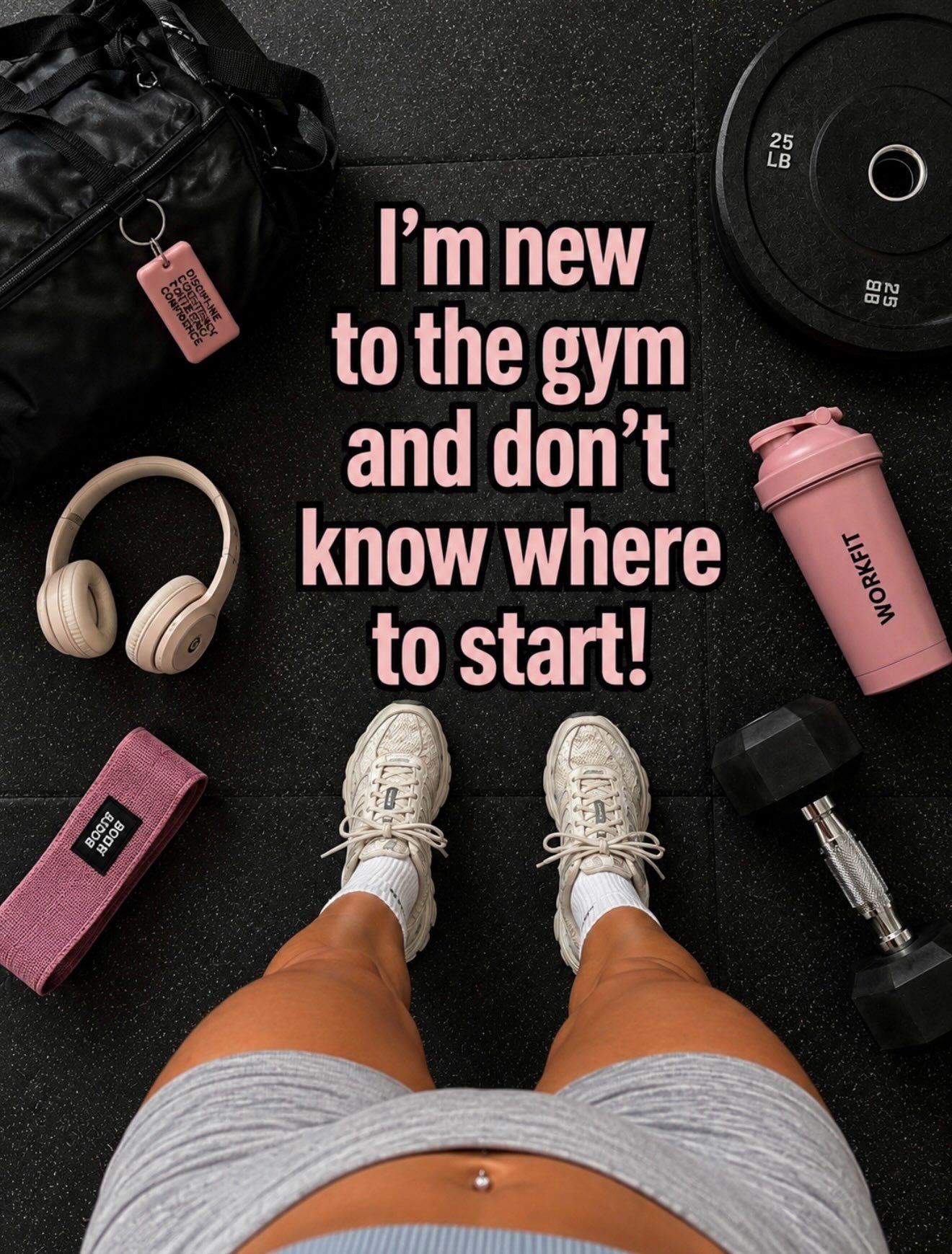
The Ultimate Beginner's Guide to Starting at the Gym
Embarking on a fitness journey at the gym can be daunting, especially with the myriad of machines, exercises, and conflicting advice. The key to success lies in having a simple, repeatable plan that allows for gradual improvement. Let’s dive into a structured 4-day beginner gym split designed to help you build a solid foundation, improve your form, and gain confidence.
Why This Matters
Starting a gym routine can be overwhelming, but having a structured plan can make all the difference. Understanding the importance of form, consistency, and progression is crucial for long-term success. This 4-day gym split not only helps you train your full body but also ensures you become comfortable with the equipment and the gym environment.
Understanding the 4-Day Gym Split
This 4-day gym split is designed to be simple and effective, focusing on full-body training and gradual improvement. Here’s a breakdown of each day:
Day 1: Lower Body + Glutes
Day 1 focuses on building a strong foundation for your lower body and glutes. The exercises include:
- Hip thrusts: Great for glute activation and strength.
- Romanian deadlifts: Targets the hamstrings, glutes, and lower back.
- Bulgarian split squats: Excellent for unilateral leg strength and stability.
- Sumo squats: Activates the inner thighs and glutes.
- Controlled leg-machine work: Focuses on leg isolation and control.
Day 2: Core + Abs
A strong core is essential for overall fitness and stability. Day 2 includes:
- Leg raises: Targets the lower abs.
- Russian twists: Works the obliques and core stability.
- Plank twists: Engages the entire core.
- Flutter kicks: Great for lower abs and hip flexors.
- Crunches: Basic ab exercise for overall core strength.
- Forearm plank: Excellent for core endurance.
- Short StairMaster finisher: Adds a cardio element to finish the workout.
Day 3: Upper Body
Day 3 is dedicated to building upper body strength and muscle. The exercises include:
- Cable rows: Targets the back muscles, including the lats and rhomboids.
- Lat pulldowns: Works the lat muscles and biceps.
- Curls: Focuses on bicep strength and development.
- Back flyes: Targets the rear deltoids and upper back.
- Assisted pull-ups: Builds back and bicep strength with the help of an assisted machine.
- Tricep pushdowns: Isolates and strengthens the triceps.
- Push-ups: A classic exercise for overall upper body strength and stability.
Day 4: Lower Body + Glutes
Day 4 revisits the lower body and glutes, focusing on improving form, control, or resistance. This repetition helps solidify the movements and allows for progression. The exercises are similar to Day 1, but with a focus on improving technique and adding more resistance as you get stronger.
Important Considerations for Beginners
Starting a gym routine requires more than just a list of exercises. Here are some essential tips to keep in mind:
Start with Manageable Weights
It's crucial to start with weights that challenge you but allow you to complete the exercises with good form. Gradually increase the weight as you become more comfortable and stronger.
Rest and Recovery
Rest between sets should be around 60–90 seconds. This allows your muscles to recover and prepares you for the next set. Moving slowly through every repetition helps you focus on proper form and control.
Listen to Your Body
If any exercise causes sharp pain, stop immediately. It's essential to differentiate between muscle soreness and pain. Sharp pain can indicate an injury or improper form.
Focus on Consistency
You don’t need to complete all four sessions back-to-back. Place rest days between them to allow your body to recover. Consistency is key, so find a schedule that works for you and stick to it.
Form Over Weight
Your first goal isn't to lift the heaviest weight in the room. It’s to become comfortable using the equipment and building a routine you can maintain. Strength and confidence will follow naturally as you progress.
Practical Tips for Success
Use the Workit App
The Workit app is a valuable tool for planning workouts, following guided programs, and tracking daily progress. Features like calorie tracking, water intake, and challenges can help keep you motivated and on track.
Set Realistic Goals
Set small, achievable goals for yourself. This could be completing a set of exercises with proper form or increasing the weight by a small amount each week. Celebrate these milestones as they keep you motivated.
Stay Consistent
Consistency is key when it comes to fitness. Aim to show up at the gym regularly, even if it's just for a short session. Over time, this consistency will build into a strong routine.
Stay Hydrated
Hydration is crucial for performance and recovery. Make sure to drink plenty of water before, during, and after your workouts. A shaker bottle can help you stay hydrated and also serve as a convenient way to mix protein shakes or other supplements.
Important Takeaways
Starting a gym routine can be intimidating, but with the right plan and mindset, it can be a rewarding experience. Here are the key takeaways:
- Start with a simple, repeatable plan: This helps you learn and gradually improve.
- Focus on form and control: Proper form is essential for preventing injuries and maximizing benefits.
- Listen to your body: Rest when needed and avoid exercises that cause sharp pain.
- Use tools like the Workit app: This can help you plan, track, and stay motivated.
- Set realistic goals and stay consistent: Small, achievable goals and consistent effort will lead to long-term success.
Conclusion
Starting at the gym doesn't have to be overwhelming. With a structured 4-day gym split and the right approach, you can build a strong foundation, improve your form, and gain confidence. Remember to focus on consistency, proper form, and gradual improvement. The Workit app can be a valuable tool in your fitness journey, helping you plan your workouts, track your progress, and stay motivated. Embrace the journey, and watch as your strength and confidence grow with each workout.
Watch the Reel
Questions readers ask
What does a 4-day gym split involve for beginners?
A 4-day gym split for beginners involves dividing your weekly workouts into four sessions, each focusing on different muscle groups. This approach ensures that you target all major muscle groups throughout the week while allowing for adequate rest and recovery. Typically, you might have two upper-body days and two lower-body days, or a mix of push, pull, and leg days, but the focus will be on mastering basic exercises and maintaining a consistent workout schedule.
Why is proper form important for beginners in the gym?
Proper form is crucial for beginners because it helps prevent injuries, ensures that you are effectively targeting the intended muscle groups, and sets a strong foundation for more advanced exercises. It also helps in building muscle memory and making your workouts more efficient and effective. Always start with lighter weights and focus on mastering the movement before increasing the load.
How often should beginners go to the gym?
Beginners should aim to go to the gym 3-4 times a week, with at least one rest day between sessions targeting the same muscle group. This frequency allows for sufficient recovery time while maintaining consistency. As you progress, you can adjust the frequency based on your goals and how your body responds to the workload.
What are some essential tips for beginners on how to do squats properly?
To perform squats properly, start with your feet shoulder-width apart, toes slightly pointed out. Keep your chest up, back straight, and core engaged. Initiate the movement by pushing your hips back and bending your knees, keeping your weight in your heels. Aim to go as low as you can while maintaining proper form, then drive through your heels to stand back up.
How should beginners structure their workout schedule?
Beginners should structure their workout schedule to include a mix of compound and isolation movements. Compound movements, like squats and deadlifts, should form the core of your workouts as they target multiple muscle groups. Isolation movements can be added later to target specific muscles. Start with a full-body routine or an upper/lower split, and gradually progress to more specialized splits as you gain experience.
What equipment should beginners use in the gym?
Beginners should start with basic equipment like dumbbells, barbells, and resistance bands. These tools allow for a wide range of exercises and help in mastering fundamental movements. As you become more comfortable, you can incorporate machines and more specialized equipment. Remember, the key is to focus on progression and proper form, not on using the most advanced equipment from the start.
How can beginners stay motivated in the gym?
Beginners can stay motivated by setting realistic goals, tracking their progress, and celebrating small victories. It's also helpful to find a workout buddy or join a fitness community for support and accountability. Consistency is key, so make sure to stick to your workout schedule and gradually increase the challenge as you get stronger.
Recent articles
Fresh deep dives from the latest Reels we unpacked.




Comments
Be the first to comment.