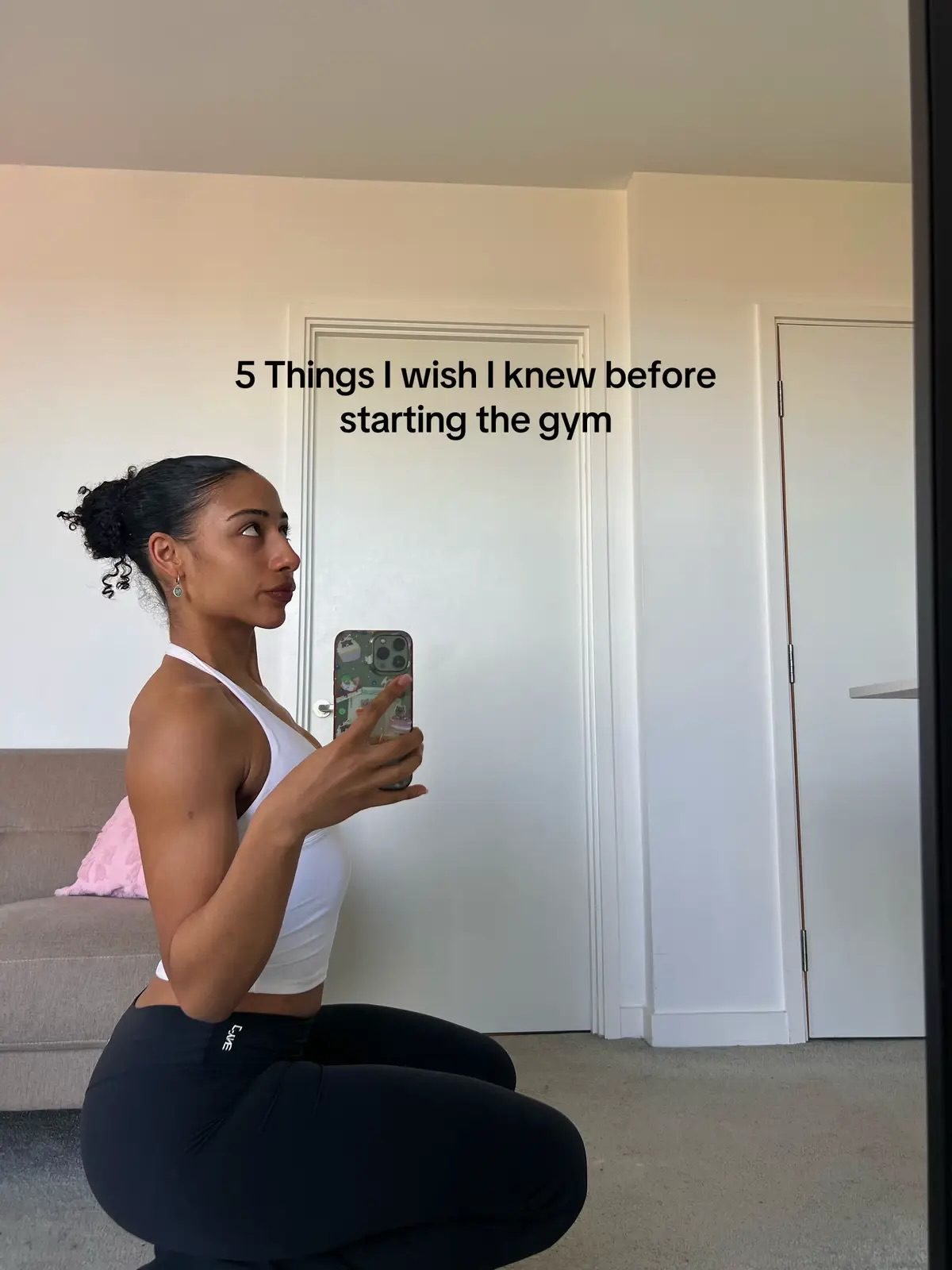
Gym Advice for Beginners
Starting a gym journey can be exciting and daunting. Knowing some key tips can save a lot of time and prevent frustration. Here are five essential pieces of advice that can help beginners optimize their fitness journey.
Why This Matters
Understanding these points can help beginners avoid common pitfalls and achieve their fitness goals more efficiently. Whether you're looking to build muscle, lose weight, or improve overall fitness, these tips can guide you toward a more effective and sustainable fitness routine.
Protein Intake: More Isn't Always Better
One of the first myths many beginners encounter is the need for extremely high protein intake. While protein is essential for muscle repair and growth, consuming excessive amounts does not equate to better results. Aim for 0.8–1 gram of protein per pound of body weight. Consistency in your protein intake is more important than sporadic high doses. Focus on maintaining a balanced diet with quality protein sources rather than overloading on supplements or high-protein products.
Genetics and Physique: Start Optimizing for Yourself
Genetics play a significant role in determining how your body responds to exercise and diet. Some people naturally build muscle faster in certain areas, while others might struggle. Instead of comparing yourself to others, focus on what works best for you. Everyone's body responds differently to exercise and nutrition, so tailoring your approach to your specific needs is crucial. Don't let genetics discourage you; instead, use them as a guide to optimize your workout and diet plan.
Simple and Effective Workouts
When starting out, keep your workouts simple and effective. Focusing on 4-5 exercises done properly is more beneficial than doing 10 random exercises half-heartedly. The quality of your movements and the attention to proper form are crucial for building a strong foundation. Sweating for the sake of it won't yield the same results as controlled, focused exercises. Prioritize exercises that target major muscle groups and ensure you're using the correct technique.
Balanced Diet for Sustainable Results
Diet is a crucial component of any fitness journey, and a common mistake is trying to out-train a bad diet. Eating well doesn't mean you have to give up all your favorite foods. The key is balance. Include a variety of nutrient-dense foods in your diet while allowing room for moderation in treats and indulgences. A balanced diet helps maintain results over the long term, making it easier to stick to your fitness goals.
The Importance of Repetition
Repetition is essential for tracking progress and achieving results. Performing the same lifts each week allows you to measure your strength gains and make adjustments as needed. Progressive overload, where you gradually increase the weight or resistance over time, is a proven method for muscle growth. Don't fall into the trap of thinking that variety is always better than consistency. Stick to a structured routine and focus on progressive improvements.
Practical Tips for Beginners
- Set Clear Goals: Define what you want to achieve, whether it's building muscle, losing weight, or improving endurance. Clear goals help you stay motivated and focused.
- Track Your Progress: Use a fitness app or journal to monitor your workouts and diet. Tracking helps you identify patterns, make adjustments, and celebrate milestones.
- Stay Consistent: Consistency is key in fitness. Stick to your workout and nutrition plan, even on days when you don't feel motivated. Small, consistent efforts add up to significant results over time.
- Listen to Your Body: Pay attention to how your body responds to different exercises and foods. If something doesn't feel right or isn't yielding results, adjust your approach.
- Seek Guidance: If you're unsure about your workout or diet plan, consider consulting a fitness professional. They can provide personalized advice and help you avoid common mistakes.
Important Takeaways
- Protein: Aim for 0.8–1 gram per pound of body weight. Consistency over extremes.
- Genetics: Tailor your fitness plan to your genetic strengths and weaknesses.
- Workouts: Focus on quality and proper form with 4-5 key exercises.
- Diet: Balance is crucial for sustainable results.
- Repetition: Track progress with consistent exercises and progressive overload.
Conclusion
Starting a gym journey can be overwhelming, but with the right knowledge and approach, you can avoid common pitfalls and achieve your fitness goals more effectively. Focus on consistency, balance, and personalization to optimize your results. Use these tips as a guide to build a sustainable and effective fitness routine tailored to your unique needs.
Watch the Reel
Questions readers ask
What's the best workout routine for beginners at the gym?
A good beginner workout routine should focus on compound movements that target multiple muscle groups. Include exercises like squats, deadlifts, bench press, and rows. Aim for 2-3 full-body workouts per week, with at least one rest day between sessions to allow your body to recover.
How can a beginner optimize their gym workouts for fat loss?
To optimize gym workouts for fat loss, incorporate both strength training and cardiovascular exercises. Strength training builds muscle, which boosts your metabolism, while cardio helps burn calories. Maintain a balanced diet and stay consistent with your workouts to see progress.
What are some useful eating habits for gym beginners?
Maintain a balanced diet with adequate protein, carbohydrates, and healthy fats. Protein aids muscle repair, carbohydrates fuel workouts, and healthy fats support overall health. Stay hydrated by drinking plenty of water throughout the day.
How can a beginner track their workout progress?
Use a fitness app or a simple notebook to log your workouts. Track the exercises performed, sets, reps, and weights used. Regularly reviewing your progress helps you stay motivated and make informed adjustments to your routine.
What are some common mistakes beginners make at the gym?
Beginners often make mistakes like focusing too much on isolation exercises, not using proper form, and pushing too hard too fast. These errors can lead to injuries and slow progress. Focus on compound movements, maintain good form, and gradually increase intensity.
How often should a beginner go to the gym?
Aim for 2-3 gym sessions per week when starting out. This will give your body enough time to recover between workouts. Consistency is key, so find a schedule that works for you and stick with it. As you progress, you can adjust the frequency and intensity of your workouts.
Recent articles
Fresh deep dives from the latest Reels we unpacked.




Comments
Be the first to comment.