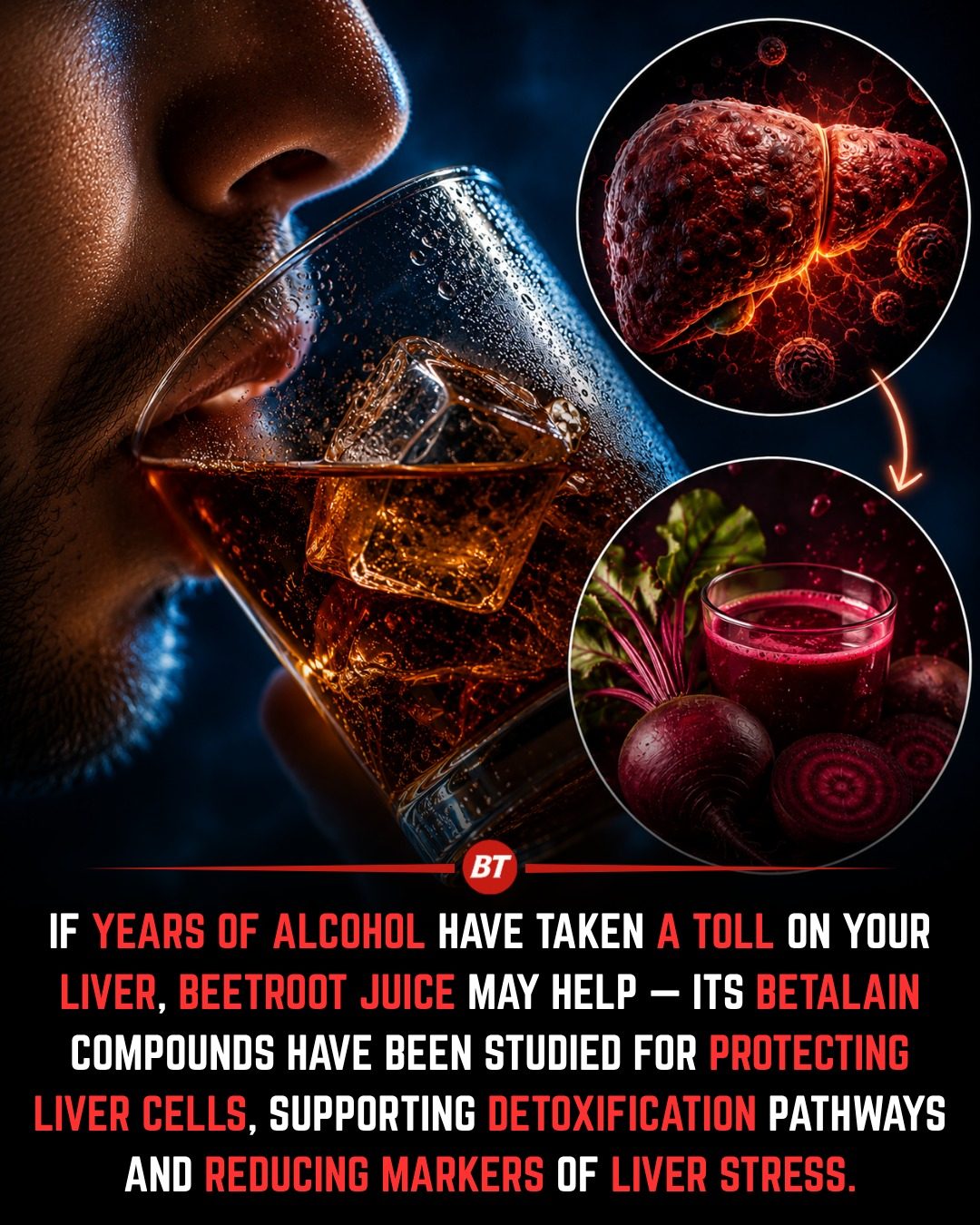
Liver Health & Beetroot Juice
The liver, a vital organ, plays a crucial role in detoxification, metabolism, and overall health. Beetroot juice, with its vibrant red pigments, has emerged as a potential ally in supporting liver health. This beverage, derived from the humble beetroot, is rich in powerful antioxidants and essential nutrients that may aid in reducing liver stress and promoting cellular healing.
Why This Matters
Years of excessive alcohol consumption can severely impact liver health, leading to inflammation, oxidative damage, and the accumulation of fat within liver cells. While reducing or eliminating alcohol is the primary step in liver recovery, incorporating certain foods and beverages into your diet can provide additional support. Beetroot juice, in particular, contains compounds that have been studied for their potential to protect liver cells and support healthy liver function.
Main Discussion
Beetroot and Betalains
Beets are rich in betalains, the vibrant red pigments that give the vegetable its distinctive color. Betalains are a type of antioxidant, which means they help neutralize harmful molecules known as free radicals. By doing so, they can decrease oxidative stress and inflammation. This is particularly important for the liver, as it is one of the body's primary detoxification organs. Oxidative stress and inflammation can impair liver function and lead to various liver diseases.
How Betalains Work
Researchers have found that betalains may support liver health in several ways:
Reducing Inflammation: Chronic inflammation can damage liver cells and impair liver function. Betalains have been shown to reduce markers of inflammation, both in animal and human studies.
Supporting Detoxification: The liver plays a critical role in detoxification, breaking down and eliminating harmful substances. Betalains may help support these detoxification pathways, ensuring the liver can effectively remove toxins from the body.
Protecting Liver Cells: Antioxidants like betalains can protect liver cells from oxidative stress and damage. This is particularly important for individuals who have experienced liver stress due to excessive alcohol consumption or other factors.
Other Nutrients in Beetroot
In addition to betalains, beetroot is packed with other essential nutrients that support overall health, including:
Nitrates: These compounds help improve blood flow and oxygen delivery to tissues, including the liver.
Folate: This B vitamin is essential for DNA synthesis and repair, as well as for the production of red blood cells.
Potassium: This mineral is crucial for maintaining proper fluid balance, nerve function, and muscle control.
Polyphenols: These compounds have antioxidant and anti-inflammatory properties, further supporting liver health.
How to Incorporate Beetroot Juice into Your Diet
To reap the potential benefits of beetroot juice, it's important to include it consistently in your diet. Here are some tips for incorporating beetroot juice into your daily routine:
Practical Tips
Start Small: If you're new to beetroot juice, start with small amounts and gradually increase your intake. This can help you adjust to the taste and reduce the likelihood of digestive discomfort.
Blend or Juice: You can either blend or juice beetroot to make a delicious and nutritious beverage. Blending is a great option if you prefer a thicker, more filling drink, while juicing is ideal for a lighter, more refreshing option.
Combine with Other Fruits and Vegetables: For added flavor and nutrients, combine beetroot with other fruits and vegetables, such as carrots, lemon, ginger, or apples. This can also help mask the earthy flavor of beetroot, making it more palatable.
Consistency is Key: While there is no specific recommended dosage for beetroot juice, consistency is crucial for supporting long-term liver health. Aim to consume beetroot juice several times per week as part of a balanced diet.
Important Takeaways
- The liver's natural ability to repair itself can be supported through dietary choices.
- Years of excessive alcohol consumption can stress the liver, leading to inflammation, oxidative damage, and fat accumulation.
- Beetroot juice contains betalains, which have been shown to reduce inflammation, support detoxification, and protect liver cells.
- While beetroot juice isn't a cure for liver disease, it may be a valuable addition to a liver-friendly lifestyle.
Conclusion
Incorporating beetroot juice into your diet may offer a range of health benefits, particularly for liver health. With its rich antioxidant content and essential nutrients, beetroot juice can help reduce inflammation, support detoxification, and protect liver cells from oxidative damage. While it is not a cure for liver disease, combining beetroot juice with a healthy lifestyle can provide valuable support for overall liver health.
Watch the Reel
Questions readers ask
How does beetroot juice contribute to liver health?
Beetroot juice contains powerful antioxidants and nutrients that may help reduce liver inflammation, oxidative stress, and support liver cell regeneration. These properties make it a helpful addition to a diet focused on promoting liver wellness.
Can beetroot juice help with liver damage caused by alcohol?
Yes, beetroot juice may assist in mitigating liver damage caused by excessive alcohol consumption. Its antioxidants can help reduce oxidative stress and inflammation, which are common effects of alcohol on the liver. However, it's crucial to reduce or eliminate alcohol intake for effective liver recovery.
What are the key nutrients in beetroot juice that support liver function?
Beetroot juice is rich in betalains, which are potent antioxidants, as well as folate, manganese, and other essential vitamins and minerals. These components work together to support liver detoxification, reduce stress, and promote overall liver health.
How can I incorporate beetroot juice into my daily routine for liver support?
You can start by drinking a small glass (4-6 ounces) of beetroot juice daily. To make it more palatable, you can mix it with other juices like apple or carrot. Gradually, you can increase the intake to 8-12 ounces per day, depending on your tolerance and preference.
Is beetroot juice a suitable supplement for those with fatty liver disease?
Beetroot juice may be beneficial for those with fatty liver disease due to its ability to reduce inflammation and oxidative stress. However, it's important to consult with a healthcare provider before making significant dietary changes, especially if you have an existing liver condition.
Can beetroot juice help with natural liver detoxification processes?
Beetroot juice can support the liver's natural detoxification processes by enhancing the body's ability to eliminate toxins. Its antioxidants help neutralize harmful molecules, reducing the burden on the liver and promoting overall liver health.
What are some tips for maximizing the benefits of beetroot juice for liver health?
To maximize the benefits, opt for fresh, cold-pressed beetroot juice to ensure you get the most nutrients. Drink it on an empty stomach for better absorption. Additionally, pair it with a balanced diet and healthy lifestyle choices to enhance its effects on liver health.
Related deep dives
Similar reads based on topic and creator.




Recent articles
Fresh deep dives from the latest Reels we unpacked.




Comments
Be the first to comment.