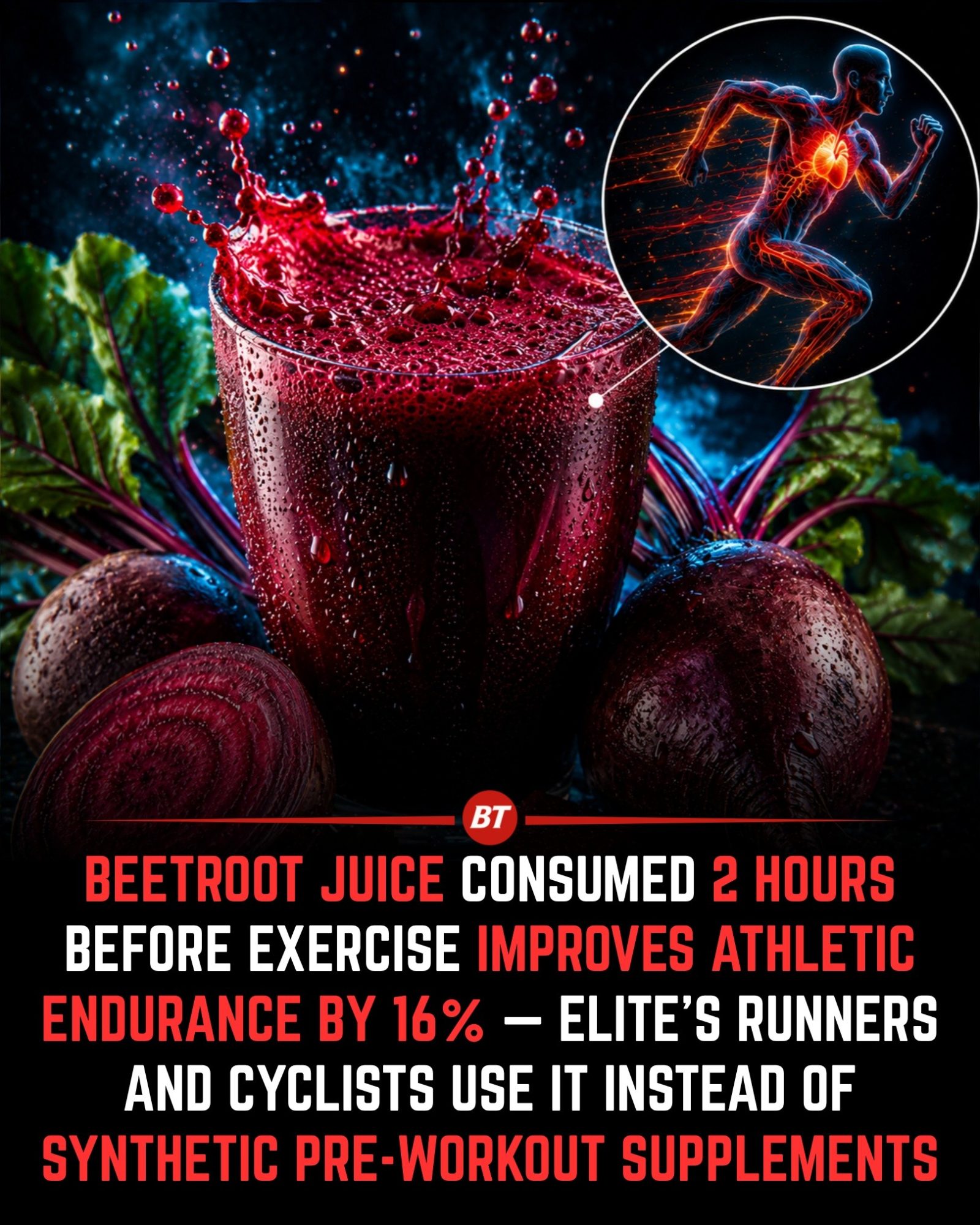
Beetroot Juice and Athletic Performance
Beetroot juice has gained significant attention in the athletic community for its potential to enhance exercise endurance. This vibrant, earthy drink is more than just a trend; it's a scientifically backed tool that athletes use to improve their performance naturally.
Why This Matters
For athletes and fitness enthusiasts, optimizing performance is a constant pursuit. Traditional pre-workout supplements often rely on stimulants like caffeine to boost energy. However, these can come with unwanted side effects and crashes. Beetroot juice offers a natural alternative by leveraging the body's own mechanisms to improve endurance.
The Science of Beetroot Juice
Beetroot juice is rich in dietary nitrates, which are converted into nitric oxide in the body. This conversion process begins in the mouth, where bacteria transform the nitrates into nitric oxide. This powerful molecule plays a crucial role in enhancing athletic performance.
The Role of Nitric Oxide
Nitric oxide acts as a vasodilator, meaning it relaxes and widens blood vessels. This relaxation improves blood flow and circulation, allowing more oxygen to reach working muscles. Enhanced oxygen delivery means muscles can perform the same amount of work while using less oxygen, making exercise feel easier and delaying the onset of fatigue. This is particularly beneficial for endurance athletes who need to sustain performance over extended periods.
The Impact on Performance
Several studies have explored the effects of beetroot juice on athletic endurance. A landmark study published in the Journal of Applied Physiology found that participants who consumed beetroot juice before a cycling session could exercise significantly longer before reaching exhaustion. Other studies have reported endurance improvements of up to 16%. Although individual results may vary, the overall consensus is that beetroot juice can enhance athletic performance without the side effects associated with synthetic supplements.
Practical Tips for Using Beetroot Juice
To reap the benefits of beetroot juice, it's essential to consume it at the right time and in the right amount. Here are some practical tips for incorporating beetroot juice into your workout routine:
Timing Your Consumption
The timing of beetroot juice consumption is crucial for maximizing its benefits. Drink 300–500 mL (10–17 oz) of beetroot juice about 2–3 hours before your exercise session. This window allows the body enough time to convert the nitrates into nitric oxide, ensuring that you have enhanced circulation and oxygen delivery during your workout.
Maintaining Oral Bacteria Health
One often overlooked aspect of beetroot juice consumption is the role of oral bacteria. These bacteria are responsible for converting nitrates into nitric oxide. Using antibacterial mouthwash before consuming beetroot juice can reduce the beneficial bacteria in your mouth, potentially diminishing the juice's effectiveness. Avoid using antibacterial mouthwash before your workout to ensure optimal nitrate conversion.
Benefits for Elite Athletes
Elite runners, cyclists, and endurance athletes have embraced beetroot juice as a natural way to boost their performance. This trend highlights the juice's effectiveness in supporting the body's natural nitric oxide production, providing a cleaner, more sustainable energy source than synthetic pre-workout supplements.
Endurance Sports
For endurance sports like running, cycling, and rowing, beetroot juice offers a significant advantage. The improved oxygen delivery and reduced fatigue allow athletes to push harder and longer, ultimately leading to better performance and faster recovery.
A Clean Alternative
Elite athletes often seek natural and clean sources of performance enhancement. Beetroot juice fits this criteria perfectly, as it relies on the body's natural processes rather than high doses of stimulants. This makes it a popular choice among professional and amateur athletes alike.
Important Takeaways
Beetroot juice is more than just a trendy health drink. Its rich content of dietary nitrates and the subsequent production of nitric oxide can significantly enhance athletic endurance. By improving blood flow and oxygen delivery, beetroot juice helps athletes push harder and longer, making it a valuable tool in their performance arsenal.
Conclusion
Whether you're a professional athlete or a weekend warrior, beetroot juice offers a natural, effective way to boost your performance. Incorporating this vibrant drink into your pre-workout routine can provide the endurance boost you need to achieve your fitness goals. By understanding the science behind beetroot juice and following practical tips for its consumption, you can unlock your body's full potential and take your workouts to the next level.
Watch the Reel
Questions readers ask
How does beetroot juice help improve athletic performance?
Beetroot juice boosts athletic performance by increasing blood flow and oxygen delivery to muscles. This is due to its high nitrate content, which gets converted into nitric oxide, helping muscles work more efficiently and delaying the onset of fatigue during intense exercise.
When is the best time to consume beetroot juice for optimal benefits?
For optimal benefits, consume beetroot juice 2-3 hours before exercise. This allows enough time for the nitrates to be converted into nitric oxide, ensuring that your body can utilize these compounds during your workout.
Can beetroot juice benefit both runners and cyclists?
Yes, beetroot juice can benefit both runners and cyclists. Its ability to enhance endurance and reduce fatigue makes it a useful supplement for any athlete looking to improve their performance in endurance sports. It is particularly beneficial for long-distance events.
Is beetroot juice a suitable natural alternative to traditional pre-workout supplements?
Yes, beetroot juice is an excellent natural alternative to traditional pre-workout supplements. Unlike many pre-workout supplements that rely on stimulants like caffeine, beetroot juice works by enhancing the body's natural processes, providing a sustained boost without the risk of crashes or unwanted side effects.
How much beetroot juice should athletes consume to see noticeable improvements?
To see noticeable improvements, athletes typically need to consume about 500 milliliters of beetroot juice daily. This amount is generally recommended to ensure a sufficient intake of nitrates. However, it's always a good idea to consult with a healthcare provider or a nutritionist for personalized advice.
Can beetroot juice be used as part of a daily supplement routine for athletes?
Yes, beetroot juice can be incorporated into a daily supplement routine for athletes. Its natural benefits make it a valuable addition for those looking to enhance endurance and improve overall performance. It can be consumed in a glass with a meal or as a stand-alone juice to meet the daily requirements.
Are there any potential side effects of consuming beetroot juice before workouts?
While beetroot juice is generally safe for most people, some individuals may experience mild side effects such as stomach discomfort or changes in stool color due to its high fiber content and natural pigments. It's always a good idea to start with a smaller amount to see how your body reacts before increasing your intake.
Related deep dives
Similar reads based on topic and creator.




Recent articles
Fresh deep dives from the latest Reels we unpacked.




Comments
Be the first to comment.