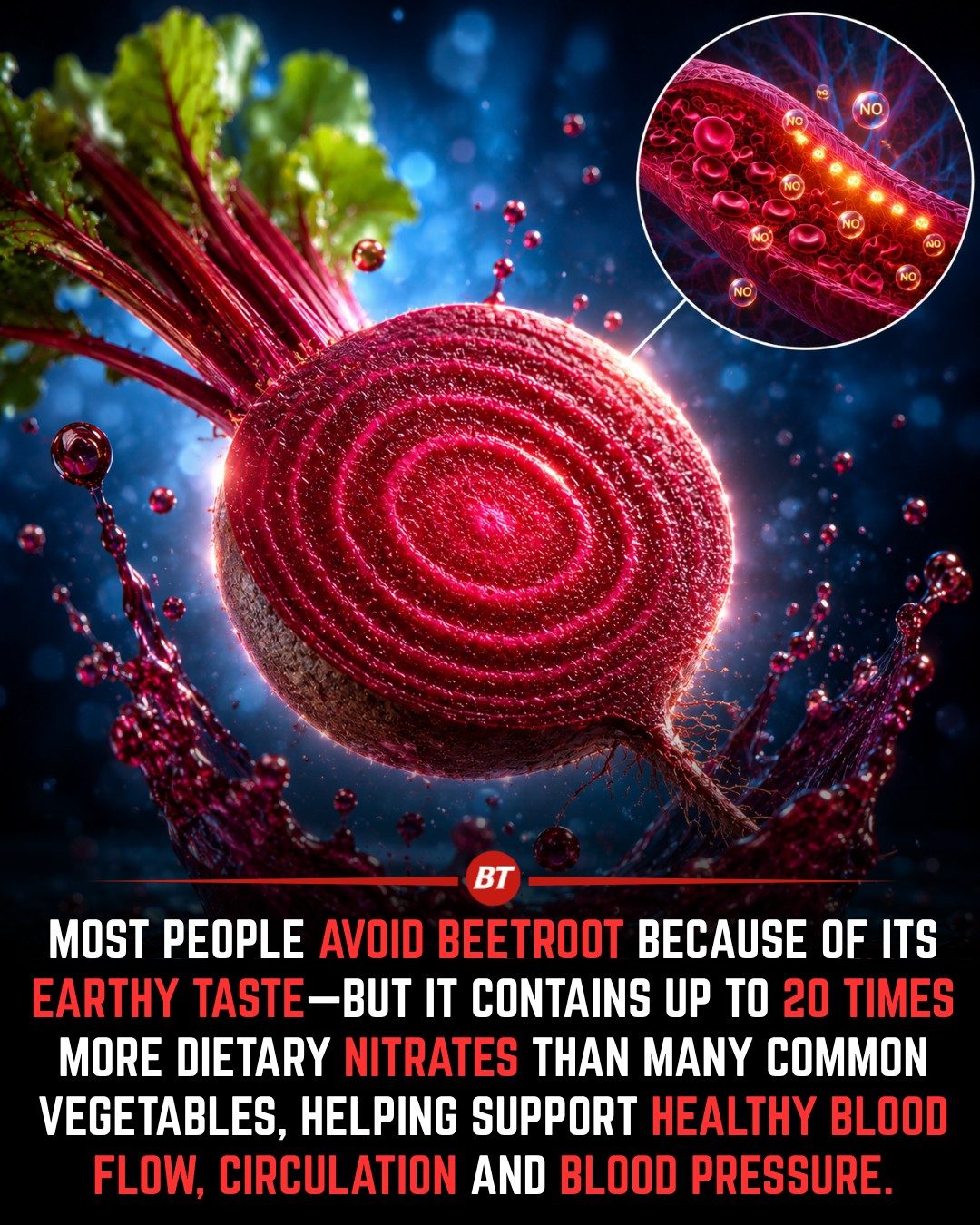
Beetroot: A Powerhouse of Nutrients
Beetroot, often overlooked due to its earthy flavor, is a nutritional powerhouse packed with dietary nitrates. These nitrates play a crucial role in supporting healthy blood flow, circulation, and blood pressure, making beetroot a valuable addition to a balanced diet.
Context: Why This Matters
The earthy taste of beetroot often deters many from incorporating it into their meals. However, this vibrant root vegetable is one of the richest natural sources of dietary nitrates. These nitrates are converted by the body into nitric oxide, a molecule essential for healthy circulation. Nitric oxide helps relax and widen blood vessels, enabling better blood flow throughout the body. This process supports healthy blood pressure, enhances oxygen delivery to muscles, and is why beetroot has gained popularity among athletes and researchers studying cardiovascular health.
Main Discussion
The Nitrate Connection
Beetroot contains up to 20 times more dietary nitrates than many commonly eaten vegetables. Once consumed, these natural nitrates are converted into nitric oxide, a molecule that aids in vasodilation, or the widening of blood vessels. This process is crucial for maintaining healthy blood pressure and ensuring efficient oxygen delivery to muscles. A 2023 review published in Nutrients concluded that dietary nitrate from vegetables like beetroot can support vascular function and maintain healthy blood pressure. Regular consumption of beetroot as part of a balanced diet can yield significant benefits, primarily due to its naturally high nitrate content and antioxidants known as betalains, which help protect cells from oxidative stress.
Beyond Nitrates: Other Nutritional Benefits
In addition to its high nitrate content, beetroot is a good source of various essential nutrients. It provides folate, potassium, fiber, and vitamin C, making it a nutrient-dense food that supports heart health, digestion, and overall metabolic wellness. The combination of these nutrients and antioxidants makes beetroot a versatile addition to any diet, offering a range of health benefits beyond its cardiovascular advantages.
Beetroot and Cardiovascular Health
The cardiovascular benefits of beetroot are well-documented. Nitric oxide, produced from the nitrates in beetroot, helps relax and widen blood vessels, improving blood flow and circulation. This process supports healthy blood pressure and enhances oxygen delivery to muscles, making beetroot a popular choice among athletes. Regular consumption of beetroot can help maintain vascular function and healthy blood pressure, especially when included as part of a balanced diet.
Practical Tips
Incorporating Beetroot into Your Diet
You don't have to love plain beets to enjoy their benefits. Pairing beetroot with bright, fresh flavors can make them much more enjoyable while preserving their nutritional value. Here are a few simple and effective ways to incorporate beetroot into your meals:
-
Blended Drinks: Blend one small cooked beetroot with fresh lemon juice, ginger, and a little apple for a naturally sweet drink. This combination not only enhances the flavor but also adds vitamin C, complementing beetroot's nutrient profile.
-
Roasted Beets: Roast sliced beets with olive oil and herbs for a simple side dish. The roasting process brings out the natural sweetness of the beets, making them more palatable.
-
Salads and Smoothies: Grate raw beets and add them to salads for a colorful and nutritious boost. You can also blend cooked beets into smoothies for a vibrant and healthful beverage.
Recipes to Try
Beetroot and Ginger Smoothie
Ingredients:
- 1 small cooked beetroot
- 1/2 apple, cored and chopped
- 1 tablespoon fresh lemon juice
- 1 teaspoon fresh ginger, grated
- 1/2 cup water
Instructions:
- Combine all ingredients in a blender.
- Blend until smooth.
- Pour into a glass and enjoy immediately.
Roasted Beetroot with Herbs
Ingredients:
- 2 medium beetroots, peeled and sliced
- 2 tablespoons olive oil
- 1 teaspoon dried rosemary
- 1 teaspoon dried thyme
- Salt and pepper to taste
Instructions:
- Preheat your oven to 400°F (200°C).
- Toss the beetroot slices in olive oil, rosemary, thyme, salt, and pepper.
- Spread the beetroot slices on a baking sheet lined with parchment paper.
- Roast for 20-25 minutes or until tender.
- Serve warm as a side dish.
Important Takeaways
- High in Nitrates: Beetroot is one of the richest natural sources of dietary nitrates, which are converted into nitric oxide, supporting healthy blood flow and circulation.
- Heart Health: Regular consumption of beetroot can help maintain vascular function and healthy blood pressure.
- Nutrient-Dense: Beetroot provides essential nutrients like folate, potassium, fiber, and vitamin C, supporting overall health and metabolism.
- Versatile: Beetroot can be incorporated into various dishes, from smoothies and juices to salads and roasted sides, making it easy to enjoy its benefits.
Conclusion
Beetroot, often overlooked due to its earthy flavor, is a nutritional powerhouse. Rich in dietary nitrates, it plays a crucial role in maintaining healthy blood flow, circulation, and blood pressure. Beyond its cardiovascular benefits, beetroot is a good source of essential nutrients, supporting heart health, digestion, and overall metabolic wellness. By incorporating beetroot into your diet through various recipes, you can enjoy its nutritional benefits while adding flavor and variety to your meals.
Watch the Reel
Questions readers ask
What makes beetroot beneficial for cardiovascular health?
Beetroot is highly beneficial for cardiovascular health due to its high nitrate content. Once consumed, the body converts these nitrates into nitric oxide, which helps to relax and widen blood vessels, promoting better blood flow and supporting healthy blood pressure.
How do dietary nitrates in beetroot support healthy blood flow?
The dietary nitrates found in beetroot are converted into nitric oxide in the body. Nitric oxide acts as a vasodilator, meaning it helps to relax and widen blood vessels, which in turn enhances blood flow and improves circulation throughout the body.
What are some high nitrate vegetables besides beetroot?
Besides beetroot, other vegetables high in nitrates include leafy greens like spinach and arugula, as well as celery and radishes. Incorporating a variety of these vegetables into your diet can help increase your intake of dietary nitrates.
Can beetroot be part of a diet focused on heart health?
Absolutely, beetroot is an excellent addition to a heart-healthy diet. Its high nitrate content supports cardiovascular health by promoting healthy blood flow and blood pressure, which is beneficial for overall heart health.
How does beetroot help in maintaining healthy blood pressure?
Beetroot aids in maintaining healthy blood pressure due to its high nitrate content. The nitrates are converted into nitric oxide, which helps to relax and widen blood vessels, making it easier for blood to flow and reducing the strain on the heart, thereby supporting healthy blood pressure levels.
What are some natural ways to incorporate more nitrates into the diet to better blood pressure?
Incorporating more nitrates into your diet can be achieved by including foods rich in nitrates, such as beetroot, leafy greens, and other high nitrate vegetables. These foods can be consumed raw, cooked, or juiced to boost your intake of dietary nitrates and support healthy blood pressure.
Is beetroot the best source of dietary nitrates?
Beetroot is one of the richest natural sources of dietary nitrates, making it an excellent choice for those looking to boost their intake. While other vegetables like spinach and arugula also contain nitrates, beetroot is often highlighted for its high concentration and additional health benefits, such as its vibrant color and versatility in meals and drinks.
Related deep dives
Similar reads based on topic and creator.




Recent articles
Fresh deep dives from the latest Reels we unpacked.




Comments
Be the first to comment.