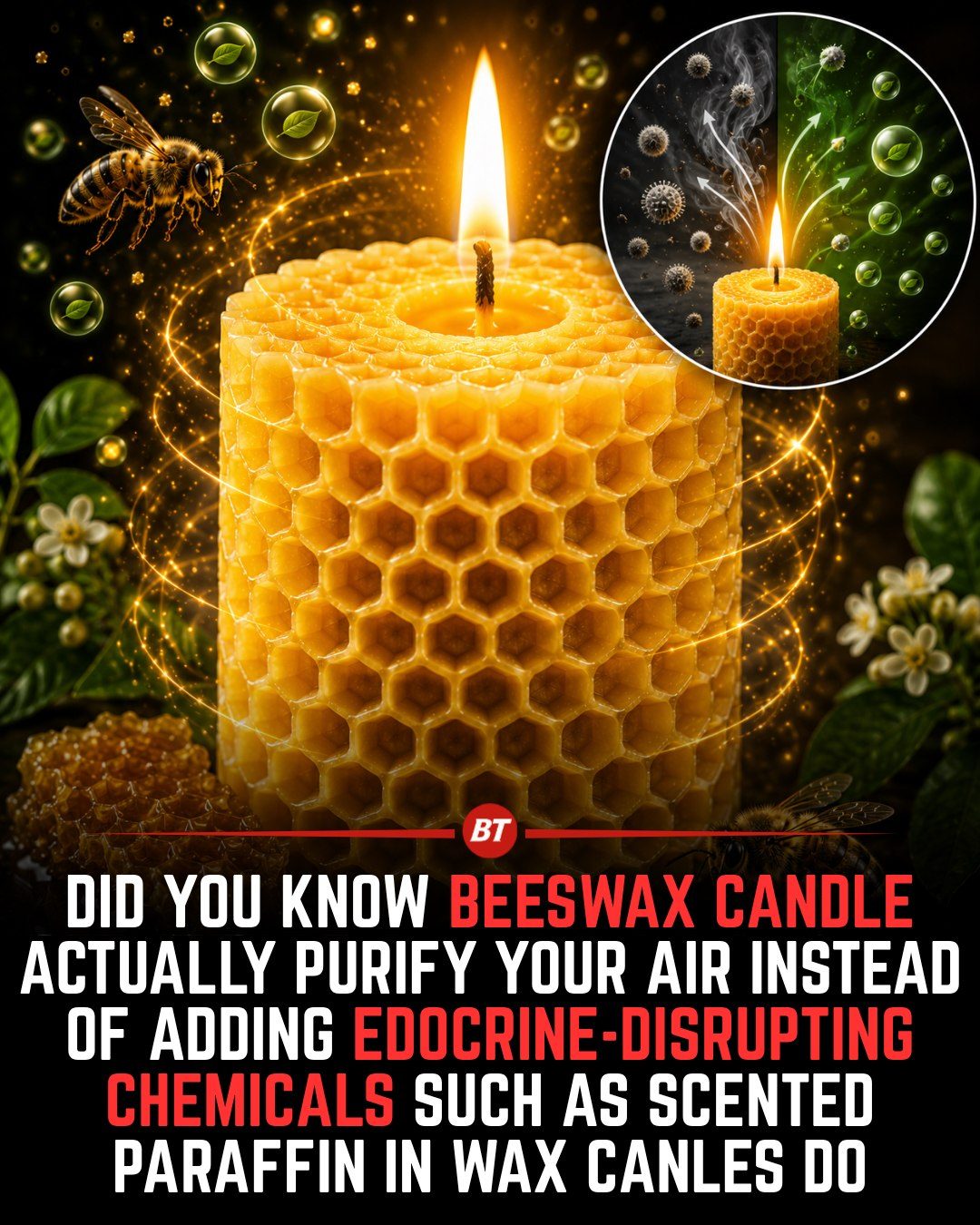
Beeswax Candles: A Natural Alternative for Indoor Air Quality
Beeswax candles offer a natural and cleaner alternative to conventional candles, providing a range of benefits that make them popular among those seeking to improve indoor air quality. Unlike many scented paraffin candles, which are derived from petroleum byproducts, beeswax candles are made from a natural substance created by honeybees. This fundamental difference has significant implications for indoor air quality and overall health.
Why this Matters
The choice of candles can make a notable difference in indoor air quality. Many conventional candles, particularly scented paraffin candles, can release volatile organic compounds (VOCs) and combustion byproducts, especially in poorly ventilated spaces. These elements can contribute to indoor air pollution, affecting respiratory health and overall well-being. Beeswax candles, on the other hand, provide a cleaner burn, emitting fewer harmful substances and producing a subtle, natural fragrance.
Comparing Beeswax and Paraffin Candles
Composition and Origin
Beeswax candles are derived from the natural wax produced by honeybees. This wax is harvested, purified, and formed into candles. In contrast, paraffin candles are made from petroleum byproducts, which are refined into wax. The difference in origin contributes to the distinct burning properties of each type.
Burn Characteristics
One of the primary advantages of beeswax candles is their clean burn. When properly trimmed, beeswax candles produce minimal smoke. This is partly due to the absence of synthetic fragrances and dyes, which are common in paraffin candles. Paraffin candles often contain these additives to enhance scent and color, which can lead to the release of VOCs and other combustion byproducts.
Health and Environmental Considerations
Paraffin candles, particularly those that are heavily scented, can release endocrine-disrupting chemicals and other harmful substances. These chemicals can accumulate in the indoor environment, posing health risks. Beeswax candles, conversely, are free from these additives, making them a safer choice for indoor use. They also do not require artificial fragrances or dyes to produce their subtle honey-like aroma, further reducing the potential for harmful emissions.
Beeswax Candles and Air Purification
Negative Ions and Air Quality
Some proponents of beeswax candles claim that they "purify the air" by releasing negative ions. While this concept is appealing, it's important to note that scientific evidence supporting meaningful air purification in real-world home settings is limited. The primary benefit of beeswax candles appears to be the reduction of artificial chemicals and fragrances in the indoor environment, rather than active air purification.
Practical Benefits
Beeswax candles offer several practical benefits that contribute to a healthier indoor environment. Their clean burn results in fewer soot particles and synthetic emissions, making them an ideal choice for those concerned about indoor air quality. Additionally, beeswax candles burn more efficiently, which means they last longer and produce less waste.
Practical Tips for Using Beeswax Candles
Choosing the Right Beeswax Candle
When selecting a beeswax candle, opt for 100% pure beeswax candles with cotton wicks. These candles are the purest form and will provide the cleanest burn. Avoid candles that contain added fragrances or dyes, as these can negate the health benefits of using beeswax.
Proper Trimming and Ventilation
To ensure the cleanest burn, trim the wick to about ¼ inch (6 mm) before each use. This helps reduce soot, improves combustion, and allows the candle to burn more efficiently. Additionally, use beeswax candles in a well-ventilated room to further minimize the potential for harmful emissions.
Important Takeaways
Natural and Safe
Beeswax candles are a natural and safe alternative to conventional candles. Their clean burn and absence of synthetic additives make them a healthier choice for indoor use, particularly for those concerned about air quality.
Health Benefits
The use of beeswax candles can contribute to a healthier indoor environment by reducing the presence of harmful chemicals and emissions. While they may not actively purify the air, they introduce fewer artificial substances, making them a beneficial addition to a home.
Cleaner Indoor Air
By opting for beeswax candles, you can help maintain cleaner indoor air. This is particularly beneficial in homes with poor ventilation or where other sources of indoor air pollution are present.
Conclusion
Beeswax candles offer a natural and effective way to enhance indoor air quality. Their clean burn, absence of synthetic additives, and subtle, natural fragrance make them a popular choice for those seeking a healthier home environment. By choosing beeswax candles and following best practices for their use, you can contribute to cleaner air and a more comfortable living space.
Watch the Reel
Questions readers ask
What are the main differences between beeswax and paraffin candles?
Beeswax candles are made from a natural substance produced by honeybees, while paraffin candles are derived from petroleum. Beeswax candles burn cleaner and emit fewer pollutants, whereas paraffin candles can release harmful volatile organic compounds (VOCs) and other byproducts. Additionally, beeswax candles produce a natural fragrance, while paraffin candles often contain added synthetic scents.
How do beeswax candles improve indoor air quality?
Beeswax candles improve indoor air quality by emitting fewer pollutants and purifying the air. They can help reduce dust, pollen, and other allergens in the air. Also, their clean burning nature means fewer harmful substances are released into the air.
Are scented beeswax candles as beneficial as unscented ones?
Scented beeswax candles can still be beneficial, provided the fragrances are derived from natural sources. However, some manufacturers add synthetic fragrances to beeswax candles, which can negate the air-purifying benefits. Always look for 100% pure beeswax candles with natural, essential oil fragrances to maximize health benefits.
What are the potential health risks of paraffin candles?
Paraffin candles can pose health risks due to the release of volatile organic compounds (VOCs) and other pollutants during burning. Exposure to these substances, especially in poorly ventilated areas, can lead to health issues such as respiratory problems, headaches, and skin irritation. People with allergies or asthma may be particularly sensitive to these pollutants.
Can burning candles in a well-ventilated room mitigate the risks of paraffin candles?
While burning candles in a well-ventilated room can help reduce the concentration of pollutants, it does not eliminate the risks associated with paraffin candles. The harmful substances they release can still have negative impacts on indoor air quality and overall health. Opting for beeswax candles, which produce fewer pollutants, is a safer choice for improving indoor air quality.
How can I ensure I'm buying pure beeswax candles?
To ensure you're buying pure beeswax candles, look for labels that specify 100% pure beeswax. Also, check the packaging for information about natural fragrances and avoid candles with synthetic additives. Buying from reputable brands or local beekeepers can also increase the likelihood of purchasing authentic, pure beeswax candles.
Are beeswax candles more expensive than paraffin candles?
Yes, beeswax candles tend to be more expensive than paraffin candles. This is due to the natural production process and the higher cost of raw materials. However, many people find the benefits of beeswax candles, such as improved indoor air quality and natural fragrance, to be worth the investment. Additionally, beeswax candles often last longer, burning more slowly and consistently, thus providing more overall value.
Related deep dives
Similar reads based on topic and creator.




Recent articles
Fresh deep dives from the latest Reels we unpacked.




Comments
Be the first to comment.