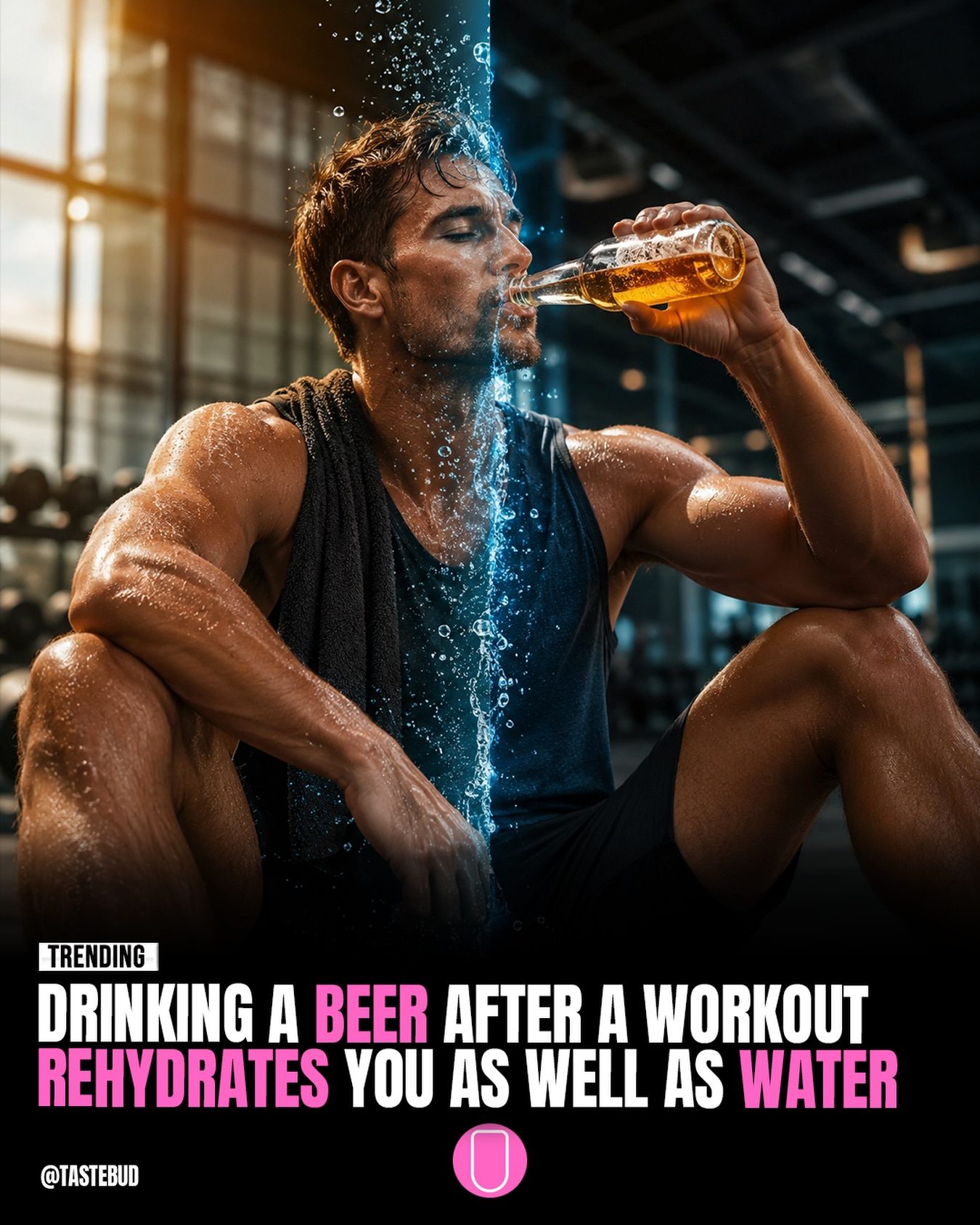
Beer and Rehydration
The debate around beer versus water as a rehydration option after a workout is an intriguing one. Some studies suggest that low-alcohol beer can actually aid in rehydration following physical activity. The primary reason behind this claim is that beer contains small amounts of carbohydrates and electrolytes, which are essential for fluid recovery. However, it's important to weigh the pros and cons of this approach, as many experts still recommend water as the optimal choice for rehydration.
Why This Matters
Hydration is a crucial aspect of recovery and overall health, especially for athletes and fitness enthusiasts. The body loses a significant amount of water and electrolytes through sweat during exercise. Replenishing these losses effectively can enhance performance, reduce the risk of injury, and support overall well-being.
Understanding the role of beer in rehydration can provide valuable insights for those who enjoy a post-workout drink. While beer might offer some benefits, it's essential to consider the factors that make it less suitable than water for this purpose.
Main Discussion
Comparing Beer to Water
Water: The Gold Standard
Water is universally regarded as the best option for rehydration. It is readily available, contains no calories, and is easily absorbed by the body. Most importantly, water does not contain alcohol, which can impede hydration and slow down recovery.
Beer: A Different Approach
Beer, particularly low-alcohol varieties, contains several components that could potentially aid in rehydration:
- Carbohydrates: Beer contains small amounts of carbohydrates, which can help replenish glycogen stores depleted during exercise.
- Electrolytes: Beer has electrolytes, such as sodium and potassium, which are lost through sweat and need to be replaced.
- Caloric Content: Beer provides some calories, which can be beneficial for those who need to restore energy levels quickly.
The Role of Alcohol
Alcohol is a significant factor when considering beer as a rehydration option. While low-alcohol beer may have some benefits, higher alcohol content can lead to dehydration. Alcohol is a diuretic, meaning it increases urine production and can lead to fluid loss. This can counteract the rehydration benefits of beer, particularly if consumed in large quantities.
Scientific Insights
Some studies have explored the effects of low-alcohol beer on rehydration. These studies suggest that beer can be as effective as water in rehydrating the body, particularly when consumed in moderate amounts. However, the overall consensus among experts is that water remains the superior choice for rehydration.
Practical Tips
If you're considering beer as a post-workout beverage, it's crucial to take the following factors into account:
- Consume in Moderation: Limit your beer intake to avoid the dehydration effects of alcohol.
- Stay Hydrated: Ensure you drink plenty of water before, during, and after your workout. Beer can supplement your hydration, but it should not replace water entirely.
- Choose Low-Alcohol Options: Opt for low-alcohol beers to minimize the impact of alcohol on your body.
- Monitor Your Body: Pay attention to your thirst and hydration levels. If you feel thirsty or experience symptoms of dehydration, switch to water.
Important Takeaways
- Beer can offer some hydration benefits due to its carbohydrate and electrolyte content, but it is not a substitute for water.
- Low-alcohol beer may be a viable option for some individuals, but moderation is key.
- Alcohol consumption can lead to dehydration, so it's essential to balance beer intake with adequate water consumption.
- Water remains the best choice for optimal hydration and recovery.
Conclusion
The idea of beer as a rehydration option after a workout is an interesting one, but it's important to approach it with caution. While low-alcohol beer may offer some benefits, it cannot replace water as the primary source of hydration. For most individuals, water should remain the go-to choice for rehydration, with beer consumed in moderation. So, the next time you're considering a post-workout drink, opt for water to ensure you're supporting your body's recovery effectively.
Watch the Reel
Questions readers ask
Is it safe to drink beer after an intense workout?
While some studies suggest that low-alcohol beer can aid in rehydration due to its carbohydrate and electrolyte content, it's essential to consider the risks. Beer contains alcohol, which can lead to further dehydration and is not suitable for everyone, especially those who are sensitive to alcohol. It's generally recommended to stick with water immediately after an intense workout, which is also better for athletes who need to drink water consistently and responsibly.
How does low-alcohol beer compare to water for post-workout recovery?
Low-alcohol beer contains small amounts of carbohydrates and electrolytes, which can help replenish lost fluids and minerals. However, water is still the most effective and efficient choice for rehydration, as it replenishes lost fluids without adding any extra calories, sugars, or potential risks associated with alcohol.
Are there any benefits to drinking beer after a workout?
Some studies have indicated that beer can help with relaxation and muscle recovery due to its nutritional content. However, these benefits need to be weighed against the overall negative effects of alcohol consumption for someone who is dehydrated, such as further dehydration, impaired performance, and slower recovery.
What are the best alternatives to water and beer for post-workout hydration?
There are several alternatives to water and beer for post-workout hydration, such as sports drinks, coconut water, or herbal teas. These beverages can provide additional electrolytes, carbohydrates, and antioxidants that support recovery. However, it's essential to choose options that are low in sugar and calories to avoid any potential downsides.
How does dehydration affect fitness and workout performance?
Dehydration can significantly impair fitness and workout performance by reducing blood volume, decreasing cardiac output, and increasing heart rate. This can lead to fatigue, reduced endurance, and decreased strength, as well as a higher risk of heat-related illnesses. Proper hydration is crucial for maintaining optimal physical performance and overall health.
Can drinking beer post-workout interfere with muscle growth and repair?
Alcohol consumption, including beer, can interfere with muscle growth and repair by inhibiting protein synthesis, disrupting hormone balance, and impairing the body's ability to absorb and utilize nutrients. This can negatively impact recovery and overall fitness goals, making water a more suitable choice for post-workout hydration.
Is it ever a good idea to drink beer after a workout?
For most people, it is best to avoid drinking beer after a workout. However, in moderate amounts, low-alcohol beer may be enjoyed responsibly by someone who has already rehydrated with water. This should be done sparingly and with consideration for individual tolerances and fitness goals, especially for those who are not training for a performance or competition.
Related deep dives
Similar reads based on topic and creator.



Recent articles
Fresh deep dives from the latest Reels we unpacked.




Comments
Be the first to comment.