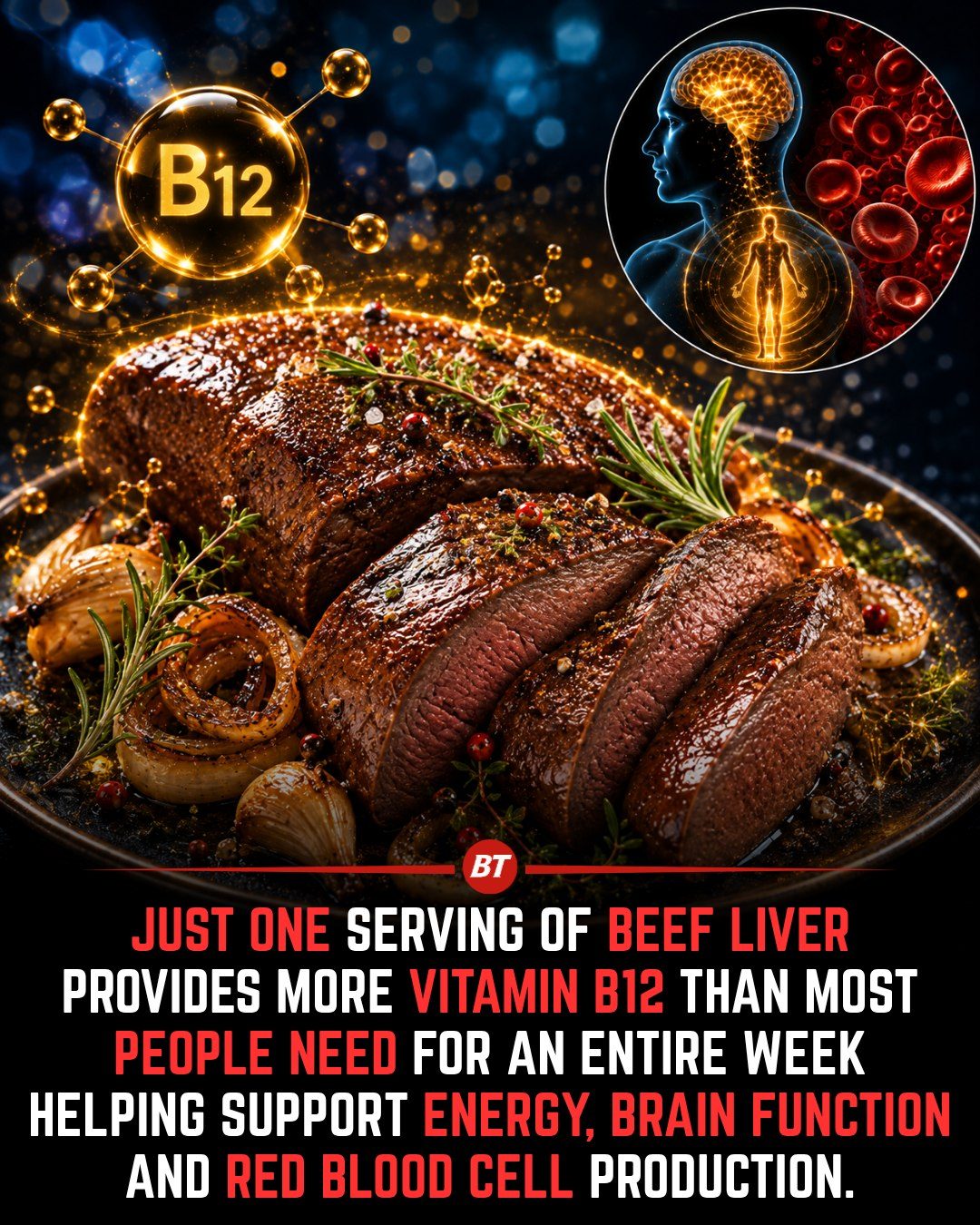
Beef Liver and Vitamin B12
Beef liver is a nutritional powerhouse, particularly renowned for its high vitamin B12 content. This organ meat is not just a delicacy but a vital ingredient for maintaining overall health, especially for those concerned about nerve function, red blood cell production, and brain health.
Why This Matters
Vitamin B12 is one of the most crucial nutrients for the body. It plays a central role in making DNA, producing healthy red blood cells, and maintaining the protective myelin sheath that surrounds nerves. Without enough B12, the body struggles to transport oxygen efficiently, which can lead to fatigue, memory problems, tingling in the hands and feet, and a type of anemia known as megaloblastic anemia. This makes incorporating vitamin B12-rich foods, like beef liver, essential for overall well-being.
The Role of Beef Liver in Nutrition
Vitamin B12 Content
Beef liver is often considered nature's most concentrated source of vitamin B12. A typical 3-ounce (85-gram) serving of beef liver provides more than 70 micrograms of B12, which is over 2,000% of the recommended daily intake for adults. This makes beef liver an excellent choice for individuals looking to boost their vitamin B12 levels naturally.
Additional Nutrients
Beyond vitamin B12, beef liver is packed with other essential nutrients. It delivers exceptional amounts of vitamin A, folate, riboflavin, copper, iron, and choline. These nutrients contribute to various aspects of health, including immune function, energy production, and cognitive health. This rich profile makes beef liver one of the most nutrient-dense foods available.
Bioavailability
Research published in reputable journals like Nutrients and the American Journal of Clinical Nutrition consistently identifies animal liver as one of the richest dietary sources of highly bioavailable vitamin B12. Unlike plant foods, which naturally contain virtually no active B12, the vitamin in beef liver is readily absorbed and used by the body. This makes it especially valuable for supporting healthy blood formation, cognitive function, and nervous system health.
Practical Tips for Incorporating Beef Liver
Moderation is Key
While beef liver is extremely high in preformed vitamin A, it's best enjoyed in moderation rather than every day. For most healthy adults, eating liver once every week or two is enough to obtain its nutritional benefits while avoiding excessive vitamin A intake.
Cooking Methods
Beef liver can be prepared in various ways to suit different palates. One simple method is to pan-sear the liver with onions, garlic, and herbs. This enhances the flavor and makes it more palatable for those new to its taste. Alternatively, blending a small amount of beef liver into ground beef can be a subtle way to introduce its nutritional benefits into everyday meals.
Important Takeaways
Nutritional Density
Beef liver stands out for its high concentration of essential nutrients, especially vitamin B12. This makes it a valuable addition to any diet, particularly for those who may be deficient in key vitamins and minerals.
Health Benefits
The nutrients in beef liver support energy, brain function, and red blood cell production. Regular consumption can help prevent deficiencies and related health issues, such as anemia and cognitive decline.
Moderation and Bioavailability
While beef liver is highly nutritious, it's crucial to consume it in moderation due to its high vitamin A content. Its bioavailable vitamin B12 makes it a superior choice compared to plant-based sources, which often lack active B12.
Conclusion
Beef liver is a nutritional powerhouse, offering a wealth of vitamins and minerals that support overall health. Its high vitamin B12 content, along with other essential nutrients, makes it a valuable addition to any diet. By incorporating beef liver into your meals in moderation, you can enjoy its health benefits while maintaining a balanced nutritional profile.
Watch the Reel
Questions readers ask
How much vitamin B12 is in a typical serving of beef liver?
A typical 3-ounce (85-gram) serving of beef liver provides over 2,000% of the recommended daily intake of vitamin B12. This is one of the highest concentrations of vitamin B12 found in any food.
What are the benefits of vitamin B12 for nerve function?
Vitamin B12 is essential for maintaining the health of the nervous system. It helps produce the myelin sheath, a protective layer around nerves, and aids in the production of neurotransmitters, which are crucial for transmitting signals in the brain and nervous system.
How does beef liver support red blood cell production?
Beef liver is rich in vitamin B12, which plays a critical role in the production of red blood cells. Vitamin B12 helps in the maturation of red blood cells, ensuring they can effectively carry oxygen throughout the body, preventing conditions like anemia.
Can consuming beef liver help with brain function?
Yes, beef liver can support brain function due to its high vitamin B12 content. Vitamin B12 is involved in the synthesis of neurotransmitters and the maintenance of the myelin sheath, both of which are crucial for cognitive function and mental health.
How often should I consume beef liver to benefit from its vitamin B12 content?
Incorporating beef liver into your diet once or twice a week can significantly boost your vitamin B12 intake. This frequency ensures you reap the benefits without overconsuming other nutrients, such as vitamin A, which can be present in high amounts in beef liver.
What other nutrients does beef liver provide besides vitamin B12?
Beef liver is one of the most nutrient-dense foods available. It is an excellent source of proteins, iron, copper, and vitamins A, B2 (riboflavin), B5 (pantothenic acid), and B9 (folate). These nutrients contribute to overall health, including energy production, immune function, and blood health.
What are the symptoms of vitamin B12 deficiency?
Vitamin B12 deficiency can lead to a variety of symptoms, including fatigue, memory loss, tingling or numbness in the hands and feet, and a type of anemia known as megaloblastic anemia. These symptoms can significantly impact daily life, making adequate vitamin B12 intake crucial for overall well-being.
Related deep dives
Similar reads based on topic and creator.




Recent articles
Fresh deep dives from the latest Reels we unpacked.




Comments
Be the first to comment.