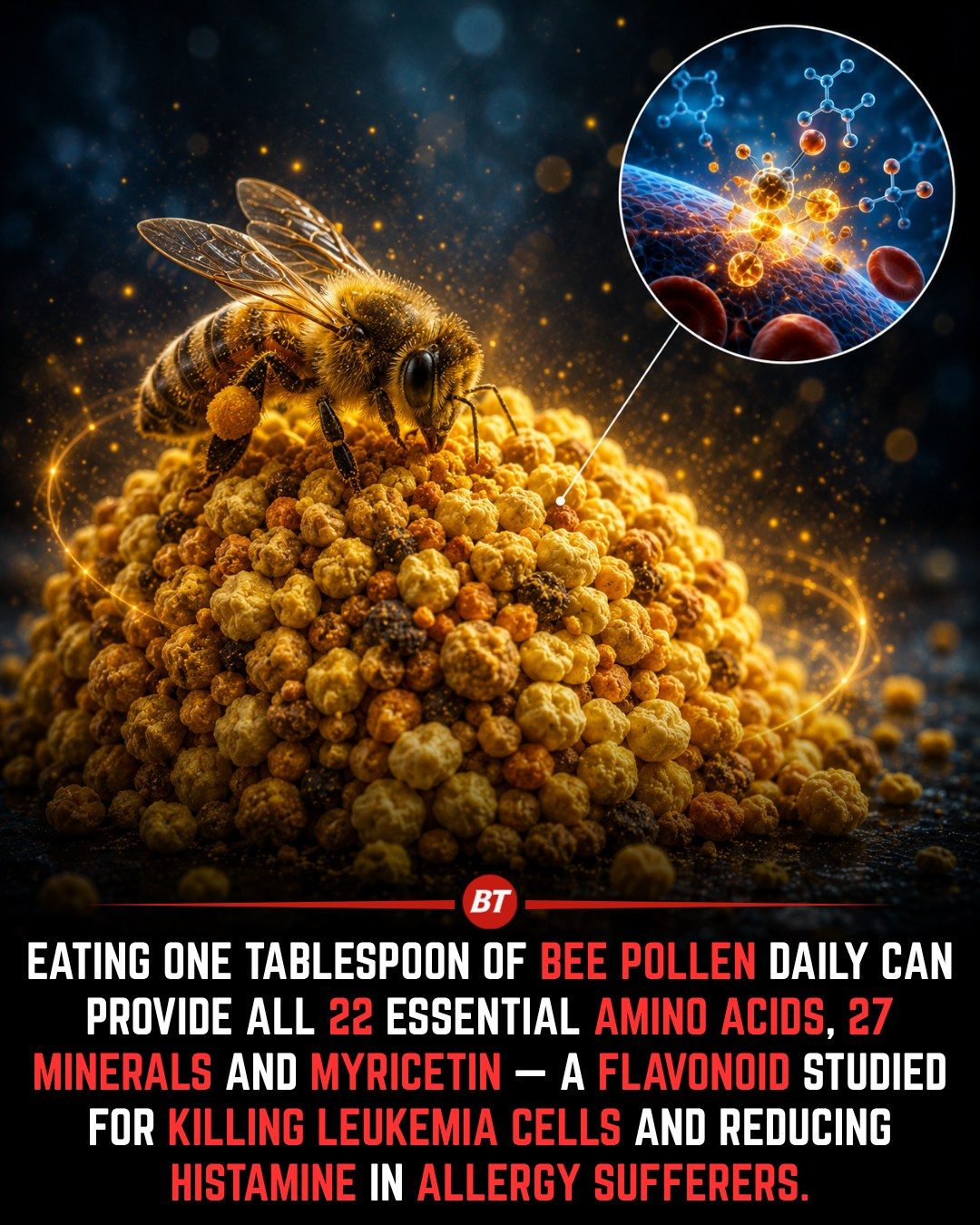
Bee Pollen: A Nutrient-Dense Superfood
Bee pollen is a rare, powerful health supplement, harvested by bees from flowering plants. It combines pollen grains with nectar and natural enzymes, resulting in a dense nutrient profile. Nutritionally, bee pollen stands out as an excellent source of protein, containing all 22 essential amino acids. It has 27 minerals, including potassium, calcium, iron, and magnesium.
Bee pollen is also rich in B vitamins, healthy fats, and over 250 bioactive compounds. Among these, flavonoids like myricetin, quercetin, and kaempferol have garnered significant scientific interest. These compounds exhibit antioxidant, anti-inflammatory, and anticancer properties. Laboratory studies have shown myricetin's potential to influence the growth of cancer cells, including those of leukemia. Quercetin and kaempferol, on the other hand, are being studied for their ability to stabilize mast cells and regulate histamine release, potentially supporting a healthy immune response.
Why This Matters
Bee pollen is more than just a health trend; it's a nutritional powerhouse. Incorporating bee pollen into your diet can be an efficient way to boost your intake of essential nutrients and bioactive compounds. Its rich nutrient profile makes it a valuable addition to a balanced diet, potentially offering benefits ranging from improved immune function to enhanced antioxidant protection.
The Science Behind Bee Pollen
A Closer Look at Myricetin
Myricetin, a potent flavonoid, is one of the most intriguing components of bee pollen. Studies have shown that it possesses strong antioxidant and anti-inflammatory properties. In laboratory settings, myricetin has demonstrated the ability to inhibit the growth of certain cancer cells, including leukemia. However, it's important to note that most of these findings come from cell and animal studies. More human research is needed to draw definitive clinical conclusions.
Supporting Immune Health
Bee pollen contains other flavonoids, such as quercetin and kaempferol, known for their immune-supporting properties. These compounds help stabilize mast cells and regulate histamine release, which can be beneficial for people suffering from allergies. However, it's crucial to consult a healthcare professional before incorporating bee pollen into your diet, especially if you have known allergies to pollen or bees, as it can cause serious reactions in susceptible individuals.
Practical Tips for Incorporating Bee Pollen into Your Diet
Start Small
If you're new to bee pollen, it's best to start with a small amount, around ½ to 1 teaspoon daily. You can sprinkle it over yogurt, oatmeal, or smoothie bowls. Gradually increase the amount if well tolerated. Remember that everyone's tolerance to bee pollen can vary, so it's essential to listen to your body and adjust accordingly.
Avoid if Allergic
Do not consume bee pollen if you have a known pollen or bee allergy. Allergic reactions can be severe, so it's better to be safe and avoid it if you have any history of such allergies. Always consult a healthcare professional for personalized advice.
Storage Matters
Store bee pollen in a cool, dry place away from direct sunlight and moisture. It's best to keep it in an airtight container in the refrigerator to maintain its potency. Proper storage ensures that you get the maximum nutritional benefits from your bee pollen.
Important Takeaways
- Bee pollen is a nutrient-dense health supplement, rich in protein, essential amino acids, vitamins, minerals, and bioactive compounds.
- Myricetin, a flavonoid in bee pollen, has shown potential in inhibiting cancer cell growth and supporting immune health, although more human research is needed.
- Always start with a small amount of bee pollen and gradually increase if well tolerated.
- Consult a healthcare professional before consuming bee pollen, especially if you have known allergies.
- Proper storage in a cool, dry place is crucial for maintaining the potency of bee pollen.
Conclusion
Bee pollen offers a unique combination of nutrients and bioactive compounds that can enhance your overall health. Its rich nutritional profile makes it a valuable addition to a balanced diet, potentially offering benefits ranging from improved immune function to enhanced antioxidant protection. By incorporating bee pollen into your daily routine, you can take advantage of the natural power of this remarkable, nutrient-dense superfood.
Watch the Reel
Questions readers ask
What are the 22 essential amino acids in bee pollen and why are they important?
Bee pollen contains all 22 essential amino acids, which are crucial for various bodily functions, including muscle repair, tissue growth, and the production of enzymes and hormones. These amino acids are deemed 'essential' because the body cannot produce them on its own, making their intake through diet vital for maintaining good health. Regularly consuming bee pollen benefits your overall health by ensuring these amino acids are present in your daily diet.
How does bee pollen support the immune system?
Bee pollen supports the immune system through its rich content of antioxidants and bioactive compounds, such as flavonoids. These components help combat oxidative stress and inflammation, which can weaken the immune system over time. Regular intake of bee pollen may contribute to a stronger, more robust immune response.
Which minerals are found in bee pollen and what role do they play?
Bee pollen contains 27 essential minerals, including potassium, calcium, iron, and magnesium. These minerals play crucial roles in various bodily functions, such as maintaining heart health, supporting nerve and muscle function, and aiding in the production of red blood cells. Due to its rich mineral content, bee pollen can help address deficiencies and support overall well-being.
What are the B vitamins in bee pollen, and how do they benefit health?
Bee pollen is rich in B vitamins, which are essential for numerous bodily functions, including energy production, DNA repair, and the maintenance of healthy skin, hair, and nails. B vitamins also support mental health and cognitive function. By incorporating bee pollen into your daily routine, you can help ensure you're getting an adequate intake of these vital nutrients.
What is myricetin, and how does it contribute to the benefits of bee pollen?
Myricetin is a flavonoid found in bee pollen that has been studied for its potential health benefits. It exhibits antioxidant, anti-inflammatory, and anticancer properties. Myricetin has been shown to influence the growth of cancer cells in laboratory studies, although more research is needed to fully understand its effects in humans. Consuming bee pollen can help you benefit from these properties of myricetin.
How can bee pollen be incorporated into a daily diet?
Bee pollen can be easily incorporated into your daily diet in various ways. It can be sprinkled on yogurt, smoothies, or oatmeal, mixed into juices, or taken as a supplement in capsules or granules. It's important to start with a small amount and gradually increase your intake, as some people may have allergic reactions.
Related deep dives
Similar reads based on topic and creator.




Recent articles
Fresh deep dives from the latest Reels we unpacked.




Comments
Be the first to comment.