Longevity and Beans
Beans, a pantry staple in many households, are more than just a convenient source of protein. They are a key player in the quest for a longer, healthier life. The evidence comes from various regions around the world known for their exceptional longevity, often referred to as the Blue Zones. These regions, such as Okinawa, Japan, Sardinia, Italy, and Nicoya, Costa Rica, share a common dietary foundation: beans and other legumes.
Context / Why this matters
Blue Zones are areas where people tend to live longer and healthier lives. These regions offer unique insights into the factors that contribute to longevity. Researchers have studied these populations extensively to understand the common practices and habits that lead to a longer lifespan.
One of the most compelling studies conducted on aging, published in the Asia Pacific Journal of Clinical Nutrition, followed older adults from multiple countries. The study revealed that for every 20-gram increase in daily legume intake, the risk of death dropped by approximately 7–8%. This finding underscores the significant role that beans play in supporting healthy aging.
Main discussion
The Nutritional Powerhouse
Beans and other legumes are more than just a tasty addition to meals. They provide a unique combination of nutrients that promote overall health. This combination includes plant protein, soluble fiber, resistant starch, folate, magnesium, potassium, and polyphenols. These nutrients work together to support heart health, blood sugar regulation, gut bacteria diversity, and inflammation balance—all key factors linked to a longer lifespan.
Plant protein found in beans is an excellent source of amino acids, which are essential for muscle maintenance and repair. Soluble fiber helps slow down digestion, keeping you feeling full and preventing blood sugar spikes. Resistant starch, a type of fiber found in beans, passes through the small intestine undigested and acts as a prebiotic, feeding beneficial gut bacteria. Folate, magnesium, and potassium are essential minerals that support various bodily functions, including heart health and blood pressure regulation. Polyphenols, found in the colorful skins of beans, are powerful antioxidants that help fight inflammation in the body.
Gut Health and Immunity
Beans also play a crucial role in maintaining a healthy gut and supporting the immune system. The resistant starch in beans promotes the production of short-chain fatty acids by beneficial gut microbes. These fatty acids help maintain the integrity of the intestinal lining, which is essential for preventing harmful substances from entering the bloodstream. This process supports healthy immune and metabolic function, further contributing to overall health and longevity.
Global Consumption Patterns
The consistent appearance of beans in the diets of the longest-living populations suggests a global recognition of their benefits. From the traditional dishes of Okinawa to the hearty meals of Sardinia, beans are a staple in these regions. The longevity benefits observed in these populations are not limited to a specific culture or dietary practice but are seen across diverse populations that consume beans regularly. This widespread recognition underscores the universal health benefits of beans.
The Numbers
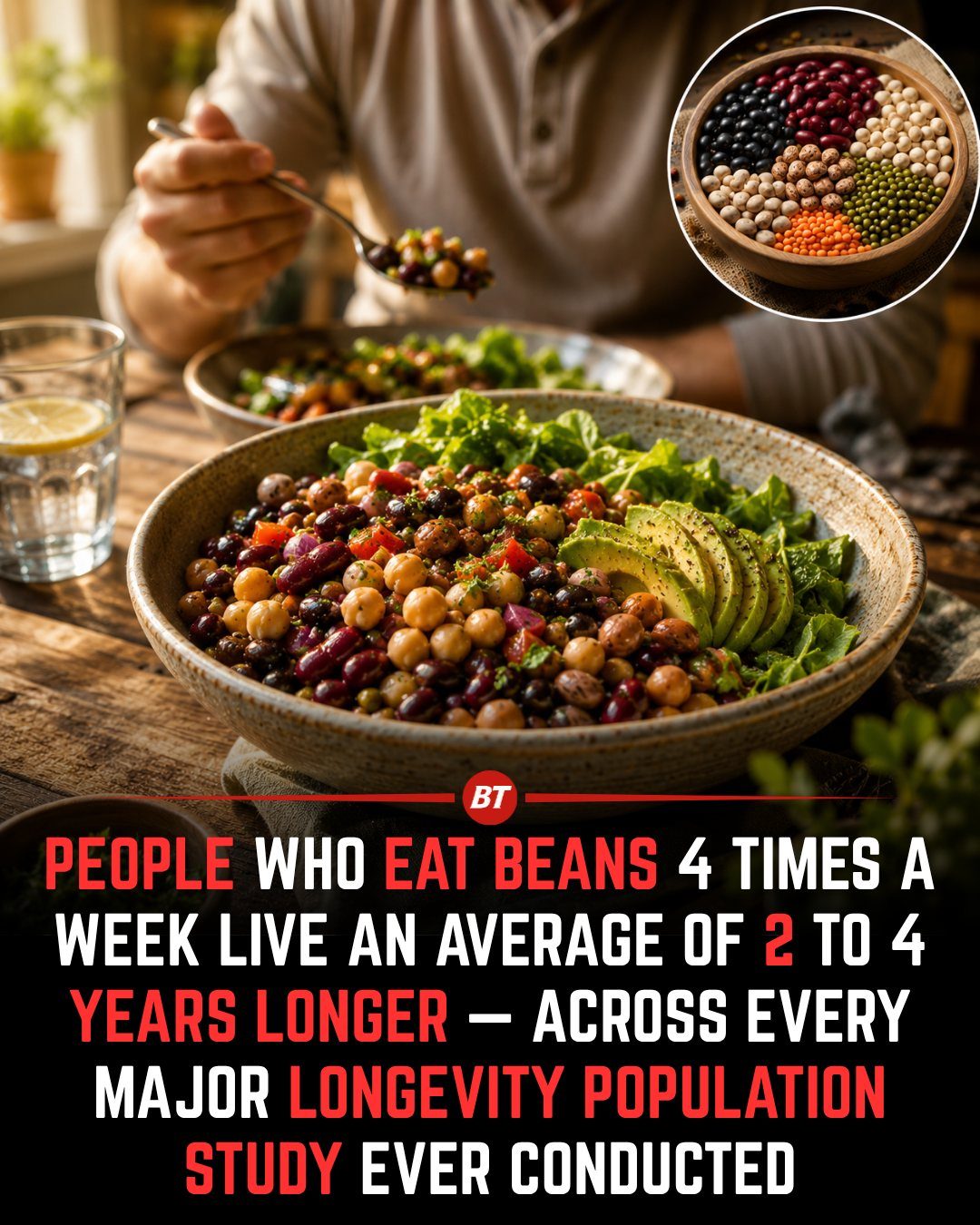
The potential longevity benefits of consuming beans regularly are staggering. People who eat beans at least four times a week live an average of 2 to 4 years longer, according to major longevity population studies. This impressive statistic is not limited to one particular region or population; it is observed across various cultures and demographics. The average increase in lifespan is attributed to the cumulative benefits of the nutrients found in beans and their positive effects on overall health.
Practical tips
If you’re looking to incorporate more beans into your diet, here are some practical tips to get you started:
Add Beans to Your Meals
Soups and Stews: Beans are a natural addition to soups and stews. They can be added to vegetable, chicken, or beef broths for a hearty and nutritious meal. Lentil soup is a classic example of a bean-based dish that is both delicious and satisfying.
Salads and Bowls: Create a protein-packed salad or grain bowl by adding beans, lentils, or chickpeas. These legumes add a great texture and crunch to salads, making them more filling and satisfying. Top your salad with a variety of vegetables, a dash of olive oil, and a sprinkle of herbs for added flavor.
Curries and Stir-Fries: Beans can be a versatile addition to curries and stir-fries. Add dried or canned chickpeas, lentils, or black beans to your favorite curry recipe for extra protein and fiber. Stir-fries are another great option. Combine your favorite beans with a variety of colorful vegetables and spices for a balanced and flavorful meal.
Versatility in Cooking
Beans are incredibly versatile and can be incorporated into a wide variety of dishes. Whether you’re cooking a hearty bean stew, a zesty bean chili, or a light and refreshing bean salad, there are countless possibilities. Experiment with different types of beans, such as black beans, kidney beans, pinto beans, or chickpeas, to add variety to your meals.
Prep and Storage
To save time, consider preparing a large batch of beans at the beginning of the week. You can store them in the refrigerator for up to a week or freeze them for up to three months. Canned beans are also a convenient option, making it easy to add beans to your meals with minimal effort.
Important takeaways
The key takeaways from the evidence and practical tips are clear: beans are a nutritional powerhouse that supports longevity and overall health. Incorporating beans into your diet, even a few times a week, can have significant health benefits. With their versatile nature, beans can be easily integrated into a variety of dishes, from salads and soups to curries and stir-fries. The combination of nutrients and health benefits associated with beans make them a valuable addition to any diet.
Conclusion
Beans are more than just a pantry staple; they are a powerful tool for promoting longevity and healthy aging. From the nutrient-rich composition to their positive effects on gut health and immunity, beans offer a comprehensive approach to supporting overall health. By incorporating beans into your diet, you can take a proactive step towards a longer, healthier life.
Watch the Reel
Questions readers ask
Which specific beans varieties are most commonly found in Blue Zones?
The strongest beans varieties for longevity are those commonly found in Blue Zones, including black beans, fava beans, chickpeas, and lentils. These legumes are staples in the diets of the world's longest living people and are known for their rich nutritional profiles.
How do beans support heart health?
Beans boost heart health by providing a combination of nutrients that lower cholesterol, improve blood flow, and reduce inflammation. Specifically, the fiber in beans helps to lower LDL (bad) cholesterol, while their potassium content aids in managing blood pressure.
What is the recommended daily consumption of beans for optimal health benefits?
For optimal health benefits, incorporating at least one serving of beans or other legumes into your daily diet is recommended. This can be in the form of a side dish, salad topping, or main course. Consistency is key, as regular consumption is linked to a longer, healthier life.
How do beans help regulate blood sugar levels?
Beans assist in blood sugar regulation by slowing down the digestion process, which prevents sudden spikes in blood glucose. The combination of protein, fiber, and complex carbohydrates in beans helps maintain steady blood sugar levels, making them an excellent choice for people with diabetes or those at risk.
Can consuming beans improve gut health?
Yes, beans promote gut health by serving as a prebiotic, feeding the beneficial bacteria in the gut. The fiber in beans aids in promoting regular bowel movements and prevents constipation, contributing to a healthy digestive system.
What makes beans a superfood for longevity?
Beans are considered a superfood for longevity due to their unique nutrient combination, which includes high-quality protein, fiber, antioxidants, and essential minerals. This powerful mix supports various aspects of health, from heart function to blood sugar control, contributing to overall longevity.
How can including beans in daily meals contribute to a longer life?
Incorporating beans into your daily meals can contribute to a longer life by providing a wide range of health benefits. Regular bean consumption is associated with reduced risk of chronic diseases, improved digestion, and better overall nutrient intake, all of which support extended longevity.
Related deep dives
Similar reads based on topic and creator.




Recent articles
Fresh deep dives from the latest Reels we unpacked.




Comments
Be the first to comment.