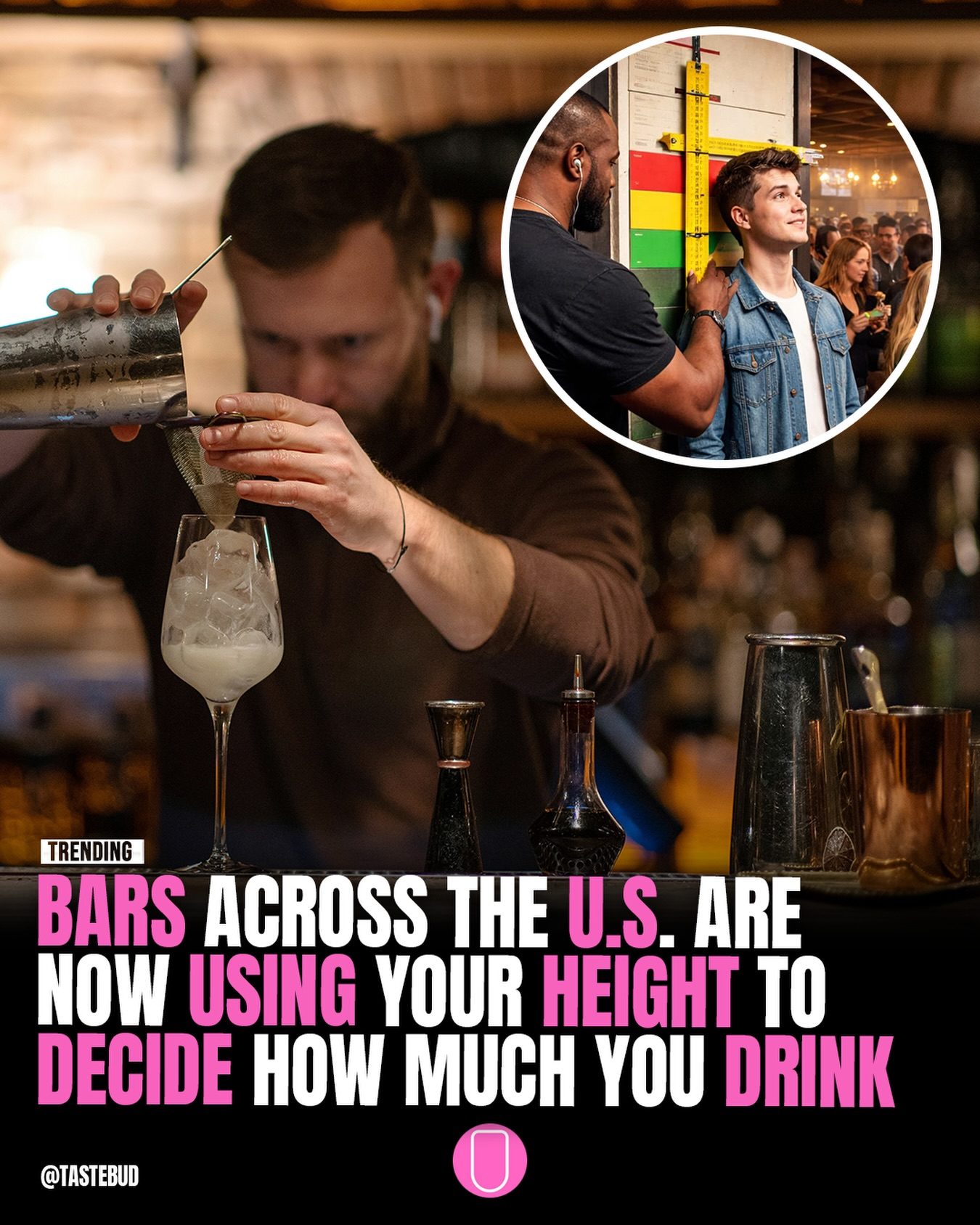
The Truth Behind the Height-Based Drink Portions Rumor
The recent rumor suggesting that bars in the U.S. would serve smaller drinks to customers under 6 feet tall has captured the internet's attention. The idea, while amusing and entertaining, is actually a satirical hoax. The reality is that drink sizes are regulated by consumer laws and cannot vary based on customer height.
Why This Matters
The concept of serving drinks based on height sparked a debate about fairness in hospitality and pricing. This conversation highlights the importance of understanding regulations and policies in the alcohol industry and the broader implications for customer experience in hospitality.
The Rumor Explained
The rumor suggests that "balanced consumption" would be determined by a person's height, with bouncers potentially measuring guests at the door. The idea was framed as a way to encourage responsible drinking, but it quickly became clear that this was a satirical joke rather than a genuine proposal. The brand TASTEBUD used this humorous concept to promote their content and engage with their audience.
Why Height-Based Portions Are Not Possible
Drink sizes in bars and restaurants are regulated by consumer laws. These regulations ensure consistency and safety, preventing establishments from serving varying quantities of alcohol based on arbitrary criteria like height. Bars are required to adhere to specific guidelines for pouring drinks, ensuring that all patrons receive a consistent standard serving.
Consumer Protection and Safe Drinking Guidelines
These regulations also play a crucial role in consumer protection. Standardized drink sizes help prevent overconsumption and promote safe drinking habits. Bars and restaurants are legally responsible for serving drinks in accordance with these guidelines. This ensures that customers are protected from being overly intoxicated and encourages responsible alcohol consumption.
Fairness in Pricing and Service
Additionally, these guidelines ensure fairness in pricing and service. If drink sizes were to vary based on customer height, it would create an inequitable situation where taller customers might receive more alcohol for the same price. This would not only be unfair to customers but would also complicate the operations and legal compliance for bar owners.
Main Discussion
The Role of Humor in Marketing
The satirical nature of the rumor highlights an important aspect of modern marketing: humor and viral content. Brands like TASTEBUD often use unexpected and amusing concepts to engage with their audience and generate buzz. This approach can be highly effective in getting people to notice and discuss the content, as evidenced by the widespread attention this rumor received.
Public Reactions and Online Conversations
The rumor generated a lot of buzz and conversation, with many people sharing their thoughts and opinions online. Some found the idea ridiculous and entertaining, while others pondered the implications for hospitality. The debate reflected broader concerns about the ethics and fairness of alcohol service.
The Impact of Viral Content
Viral content has the power to ignite conversations and spark debates on various topics. This particular story highlighted the public's interest in issues related to alcohol consumption, fairness, and the ethics of hospitality. It also demonstrated the influence of social media in shaping public discourse and opinion.
The Importance of Critical Thinking
Cases like this also underscore the importance of critical thinking and discernment in interpreting online information. Not everything that goes viral is based in reality, and it's crucial to approach such stories with a discerning eye. Understanding the context and intent behind the content can help in making informed judgments.
Practical Tips
How to Spot a Hoax
It's essential to develop skills to spot a hoax, especially online. Consider the following tips when encountering sensational claims:
- Check the Source: Verify the credibility of the source. Reliable sources are more likely to provide accurate information.
- Look for Official Statements: See if there are any official statements or regulations confirming the claim.
- Seek Multiple Perspectives: Consult multiple sources to gauge the legitimacy of the information.
- Context Matters: Consider the context and intent behind the content. Humor and satire often use exaggerated claims to provoke a reaction.
Important Takeaways
The height-based drink portions rumor, while entertaining, serves as a reminder of the importance of understanding the regulations and practices in the hospitality industry. It also highlights the power of viral content in shaping public discourse and the need for critical thinking when consuming online information.
The Role of Regulations
Regulations play a vital role in ensuring consistency, safety, and fairness in the hospitality industry. Understanding these guidelines can provide a deeper appreciation for the complexities of alcohol service and the measures taken to promote responsible drinking.
The Power of Social Media
Social media has a significant influence on public opinion and conversations. It can amplify small stories into widespread debates, as seen with the height-based drink portions rumor. This dynamic can be both a strength and a challenge, emphasizing the need for responsible content creation and discerning information consumption.
Conclusion
While the rumor about serving smaller drinks to shorter customers may have been a joke, it sparked a valuable conversation about fairness, regulations, and the power of viral content. Understanding the context and regulations behind alcohol service can enhance our appreciation for the hospitality industry and the efforts made to ensure safe and equitable practices.
Watch the Reel
Questions readers ask
Why did the rumor about bars serving smaller drinks to people under 6 feet tall gain so much attention?
The rumor gained traction due to its satirical nature and the unexpected twist it put on typical bar experiences. It sparked conversations about fairness and sparked curiosity among many people.
Is it true that bars can legally serve smaller drinks to shorter customers?
No, bars cannot legally serve smaller drinks based on a customer's height. Drink sizes are regulated by consumer laws and must be consistent for all patrons.
What regulations govern drink sizes in bars?
Drink sizes in bars are regulated by various consumer laws that ensure consistency and fairness. These laws dictate standard measurements for different types of drinks, regardless of the customer's height or other personal characteristics.
How did the height-based drink rumor impact the hospitality industry?
The rumor sparked a debate about fairness and pricing in hospitality, encouraging conversations about how bars and restaurants should treat all customers equally and how regulations affect pricing and service.
Can bars serve drinks based on other customer characteristics, such as weight or age?
Bars cannot serve drinks based on characteristics like weight or age, either. Apart from legal drinking age requirements, drink serving sizes must remain consistent for all adult customers.
Are there any real-life examples of bars serving drinks based on customer height?
There are no real-life examples of bars serving drinks based on customer height. The concept is purely satirical and has no basis in actual bar practices or regulations.
What should a customer do if they feel they are being served less than what they paid for?
If a customer feels they are being served less than what they paid for, they should first address their concerns with the bar staff or manager. If the issue is not resolved, they can contact local consumer protection agencies or regulatory bodies to file a complaint.
Related deep dives
Similar reads based on topic and creator.




Recent articles
Fresh deep dives from the latest Reels we unpacked.




Comments
Be the first to comment.