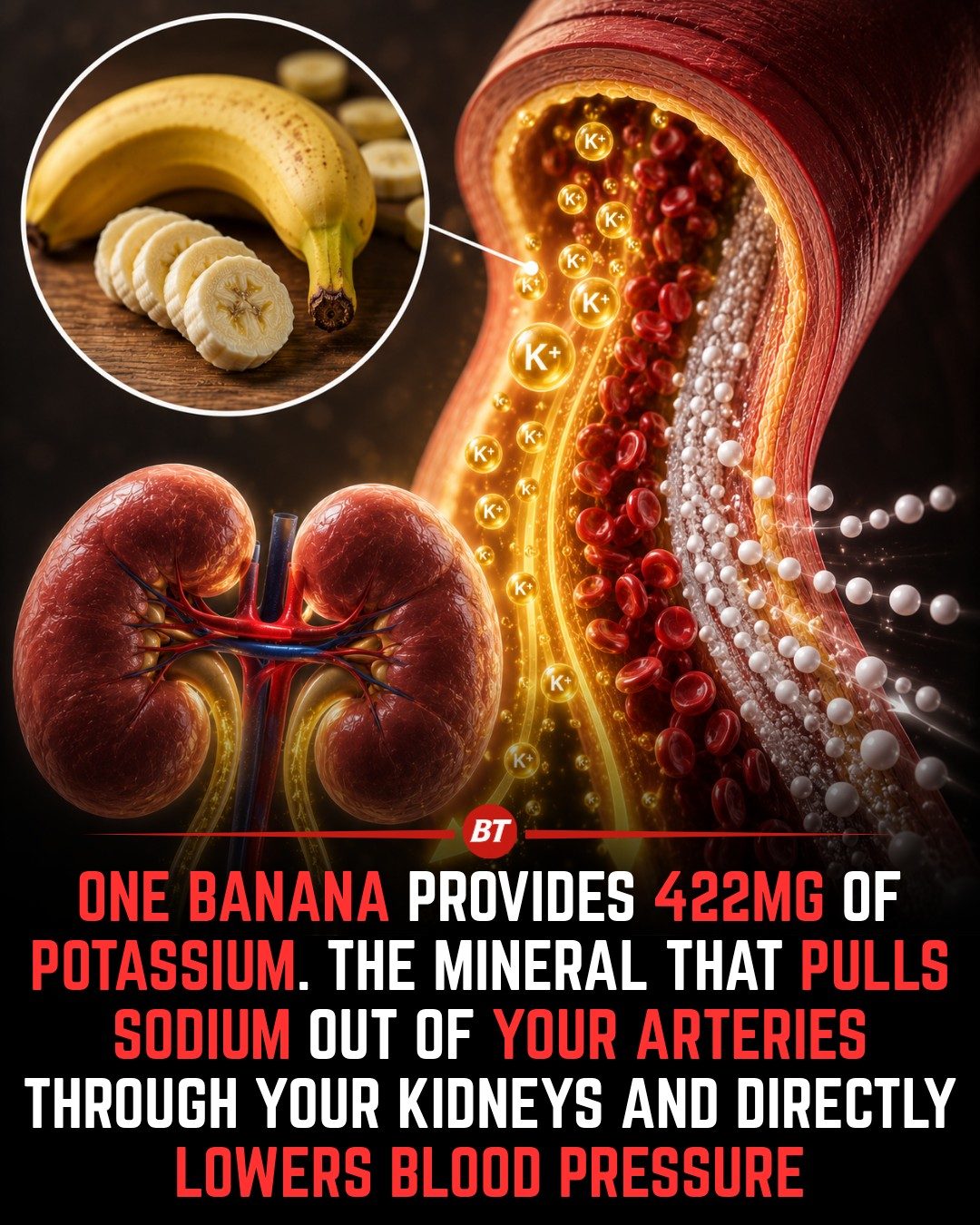
Potassium and Bananas
Bananas are a popular fruit known for their convenience and versatility. But did you know that they are also a powerhouse of essential minerals, particularly potassium? One medium banana provides around 420-422 mg of potassium, making it an excellent way to boost your daily intake of this crucial mineral.
Why This Matters
Potassium plays a vital role in various bodily functions, including blood pressure regulation, muscle contractions, nerve function, and fluid balance. For those managing blood pressure or heart health, understanding the role of potassium is essential.
The Role of Potassium in the Body
Regulation of Blood Pressure
Potassium works in tandem with the kidneys to help maintain a healthy balance of sodium in the body. By promoting the excretion of excess sodium through urine and relaxing the walls of blood vessels, potassium can help support healthy blood pressure levels and reduce strain on the cardiovascular system. Research published in journals like the New England Journal of Medicine and Hypertension has linked higher dietary potassium intake with a lower risk of stroke and cardiovascular disease, particularly when combined with a diet rich in fruits and vegetables.
Muscle Contractions and Nerve Function
Beyond blood pressure regulation, potassium is crucial for muscle contractions and nerve function. It helps muscles relax after contraction and is essential for the proper functioning of all nerve cells, including those in the brain and heart. Adequate potassium intake ensures that muscles can contract and relax efficiently, supporting overall muscle health and performance.
Fluid Balance
Potassium is also essential for maintaining the body's fluid balance. It works alongside sodium to regulate the amount of water in the body's cells and fluids. This balance is crucial for various bodily functions, including digestion, nutrient absorption, and temperature regulation.
The Benefits of Bananas
Nutritional Profile
Beyond potassium, bananas offer a range of other nutrients. They are a good source of vitamin B6, which supports energy production, and fiber, which aids in digestive health and muscle recovery. Bananas also provide natural carbohydrates, making them an excellent source of sustained energy.
Versatility in Meals
Bananas are incredibly versatile and can be incorporated into various meals and snacks. Enjoy a banana as a quick snack, blend it into smoothies, or pair it with yogurt or nut butter for a balanced meal. Their natural sweetness makes them a delicious and nutritious addition to any diet.
Supporting Heart Health
The combination of potassium, fiber, and natural carbohydrates in bananas makes them an excellent choice for supporting heart health. Regular consumption of bananas can help maintain healthy blood pressure levels, reduce the risk of stroke and cardiovascular disease, and support overall cardiovascular function.
Practical Tips for Incorporating Bananas into Your Diet
Daily Intake
Aim to include at least one banana in your daily diet to reap its nutritional benefits. Whether you enjoy it as a mid-morning snack or as a post-workout treat, bananas offer a convenient and delicious way to boost your potassium intake.
Meal Ideas
- Breakfast: Start your day with a banana smoothie. Blend a banana with your favorite milk, a scoop of protein powder, and a handful of spinach for a nutrient-packed breakfast.
- Lunch: Add sliced bananas to your yogurt or oatmeal for a sweet and creamy addition.
- Snack: Pair a banana with a small portion of nuts or nut butter for a balanced and satisfying snack.
- Dessert: Enjoy a banana as a naturally sweet dessert or blend it into a fruit salad for a refreshing treat.
Important Takeaways
Incorporating bananas into your daily diet can have significant health benefits. The potassium in bananas supports numerous bodily functions, including blood pressure regulation, muscle contractions, nerve function, and fluid balance. Additionally, bananas provide other essential nutrients like vitamin B6, fiber, and natural carbohydrates, making them a versatile and nutritious addition to any diet. Regular consumption of bananas can help support heart health, reduce the risk of cardiovascular disease, and promote overall well-being.
How Bananas Help Kidneys and Arteries
A medium-size banana provides around 420-422mg of potassium. Potassium helps pull excess sodium out of the arteries and helps the kidneys excrete excess sodium through urine. This process can help lower blood pressure and reduce strain on the cardiovascular system.
Bananas are a convenient and delicious way to boost your potassium intake, supporting overall health and wellness. By incorporating bananas into your daily diet, you can take a proactive step toward maintaining healthy blood pressure levels, supporting muscle and nerve function, and promoting overall cardiovascular health.
Watch the Reel
Questions readers ask
How much potassium does a typical banana contain?
A medium-sized banana contains approximately 420-422 mg of potassium. This makes bananas an excellent source of this essential mineral, contributing significantly to your daily potassium intake.
How does potassium in bananas support heart health?
Potassium in bananas aids in balancing sodium levels, which is crucial for maintaining healthy blood pressure. This, in turn, supports overall heart health by promoting proper heart function and reducing the risk of hypertension.
Can eating bananas help improve kidney function?
Yes, the potassium in bananas helps regulate fluid balance and supports the kidneys in filtering waste and excess nutrients. This can lead to improved kidney function and a healthier body overall.
What are some other potassium-rich foods besides bananas?
In addition to bananas, other potassium-rich foods include sweet potatoes, avocados, spinach, and lentils. Incorporating a variety of these foods into your diet can help ensure you're getting enough potassium to support your health.
How does potassium influence muscle function?
Potassium is essential for proper muscle contractions and nerve function. It helps to regulate the electrical impulses that control muscle movements, making it vital for both voluntary and involuntary muscles in the body.
What role does potassium play in maintaining healthy arteries?
Potassium helps to regulate fluid balance and relax the walls of blood vessels, which can contribute to lower blood pressure and improved blood flow. This makes potassium an important mineral for maintaining the health of your arteries.
How can a diet rich in potassium benefit those with high blood pressure?
A potassium-rich diet can help counteract the effects of excess sodium, promoting vasodilation and reducing blood pressure. Including potassium-rich foods like bananas in your diet can be a natural way to support blood pressure management.
Related deep dives
Similar reads based on topic and creator.




Recent articles
Fresh deep dives from the latest Reels we unpacked.




Comments
Be the first to comment.